

Understand Tree Diseases And How To Treat Them
If you’ve ever wondered why a perfectly healthy looking tree starts dropping leaves or why parts of your backyard oak look wilted, chances are tree diseases are at play. Trees might look tough, but pests and diseases can mess with them in ways that are easy to miss until the damage adds up. Taking a closer look at common tree diseases and how to deal with them can save trees from unnecessary stress, and you from a lot of extra work down the road.
What Causes Tree Diseases?
Tree diseases usually start with tiny troublemakers: fungi, bacteria, or viruses. Sometimes the problem even begins with insects that act as carriers for disease. While an occasional sick leaf isn’t always reason to panic, early signs often show that something’s off with your tree’s health. Understanding what causes these diseases is really important for keeping your trees happy.
Trees can get sick for a bunch of reasons. Some big factors are:
- Pathogens: Fungi are the main culprit behind most illnesses, like powdery mildew or root rot. Bacteria and viruses show up less often, but they can still cause major issues.
- Environmental stress: Drought, compacted soil, or flooding weakens a tree’s immune system, making it easier for diseases to take hold.
- Insect activity: Some bugs leave wounds that open the door for infection, and others carry diseases directly.
Picking up on what’s causing the trouble helps you come up with the right fix, whether it’s changing your watering habits or tackling a fungal infection directly. Being able to spot these factors early can mean the difference between a thriving tree and one that struggles season after season.
Identify Common Tree Diseases
Most yards deal with a handful of usual suspects. Knowing how to spot the difference between various tree diseases is pretty handy for quick action.
- Powdery Mildew: Shows up as white, powdery splotches on leaves and new growth. It loves warm, dry climates.
- Anthracnose: Creates brown or black splotches on leaves, often starting at the tips or edges. Sometimes, you’ll even see dead spots along leaf veins.
- Apple Scab: Affects apples and crabapples with olive green or brown spots on fruit and leaves, which end up falling off early.
- Rust: Leaves get rusty orange or yellow spots, and bumpy growths may form. Cedar apple rust is a classic example.
- Root Rot: Often stays hidden until you see wilting, yellowing, or sudden dieback. Digging near the roots might reveal blackened, mushy roots.
- Canker Diseases: Look for sunken, dead patches on the bark. Shoots above the canker can wilt and die.
It’s always a good plan to check your trees regularly, especially in early spring and late summer. Early warning signs usually show up as changes in leaf color, weird spots, drooping branches, or odd bark textures. By staying sharp, you’ll spot and fix issues before they get serious.
How Tree Diseases Spread
Diseases get around faster than you’d think, especially when weather conditions or bad habits give them a hand. Fungi send out spores that float on the wind or hitch rides on wet garden tools. Bacteria and viruses might spread with the help of insects, splashing rain, or even by moving infected leaves around your yard.
Pruning trees when they’re wet, not cleaning garden tools, and ignoring piles of dead leaves can raise the risk of trouble. Nearby infected trees or plants may also serve as a disease source, making it smart to keep your whole garden area tidy and check often for sneaky signs of infection. Simple habits, like cleaning your tools after use, can stop diseases from spreading like wildfire across your landscape.
Basic Prevention for Healthy Trees
Just like eating well and staying active helps us fend off illness, giving your trees the right care makes a big difference in their resistance to disease. These prevention pointers are super useful in most yards:
- Choose disease resistant varieties: Newer cultivars of oak, maple, apple, and other popular trees are often bred for better resistance to common diseases.
- Proper spacing: Crowded trees can’t dry quickly after rain, which fungi love. Leave some space for branches and leaves to breathe.
- Prune annually: Clear away dead or unhealthy branches and thin out crowded spots. Always prune during the right season for each tree.
- Water wisely: Overwatering creates soggy soil, perfect for root rot. Aim to water at the soil line, not the leaves.
- Clean up yard debris: Rake up and remove fallen leaves, seeds, and fruit, especially after a known disease outbreak in your area.
A good prevention routine is simple but really important. Cleaning pruning tools between uses with a weak bleach solution or rubbing alcohol can make a surprising difference. Mulching around your trees, while keeping mulch away from the trunk, helps the soil retain moisture and regulate temperature as well.
Don’t forget to check for signs that your tree is stressed. Trees that are struggling because of poor soil, drought, or damage from lawnmowers or string trimmers tend to get sick more readily. Supporting overall tree health keeps diseases at bay and boosts the vigor of your landscape.
How to Treat Tree Diseases
Not every leaf spot needs a chemical spray. The right treatment depends on spotting the problem early and matching the approach to the disease.
Pruning as First Aid
If you spot infected areas, pruning is often the best first move. Remove dead, diseased, or damaged limbs with clean tools. Dispose of pruned material away from other plants to avoid spreading spores or bacteria. Don’t compost obviously diseased wood or leaves.
Fungicides and Sprays
When fungal problems get out of hand, fungicides are worth looking into. Pick products labeled for your specific tree and disease, and follow the timing instructions carefully. Early application matters most. Homeowners sometimes use copper based sprays or sulfur for fungal issues. Always double-check which chemicals are safe for your tree species and environment, and avoid overuse to keep the balance in your garden.
Soil and Root Care
Improving soil drainage and breaking up compacted ground can help with root rot and other soilborne diseases. Mulching keeps moisture steady, but don’t let it pile against the trunk. For minor root rot, cutting back on water and aerating the soil can sometimes help a tree recover over time. You can even use organic matter to improve poor or clay soil and make the roots more resilient to infection.
Bacterial and Viral Issues
Treating bacterial or viral diseases is trickier. Pruning affected branches and improving the tree’s growing conditions might be all you can do. For rare, stubborn infections, it may help to get advice from a certified arborist, since sometimes tree removal is the only way to save neighboring plants before the disease spreads further.
Real World Examples? Trees Handling Disease
Personal experience goes a long way with tree care. I once dealt with a cherry tree riddled with black knot, which looked like burnt clumps along the branches. As soon as I spotted it one spring, I pruned the infected areas several inches below the swollen knots and burned the removed limbs. That stopped the problem from spreading. Following up with late winter pruning has kept the disease from taking hold again, year after year.
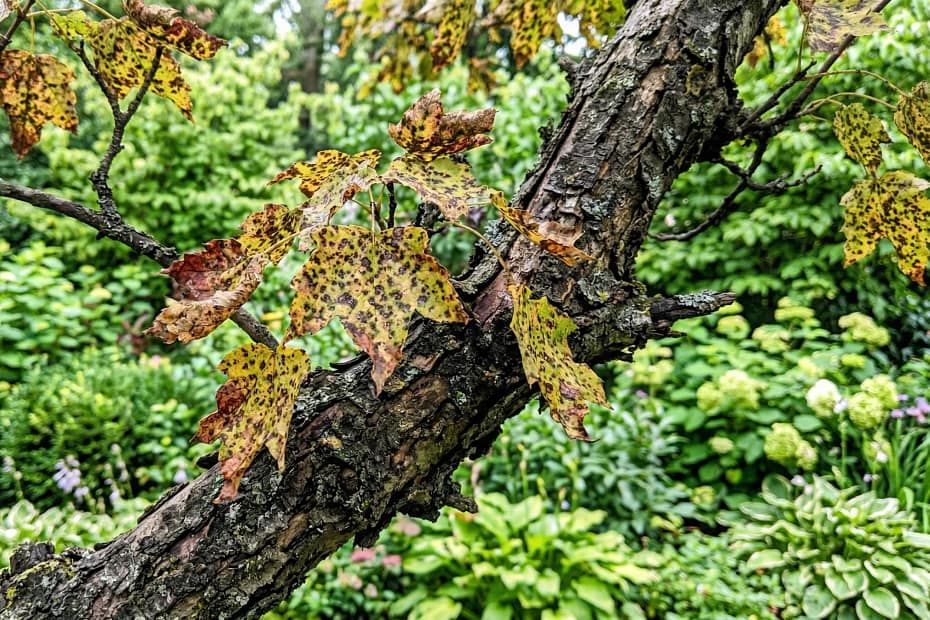
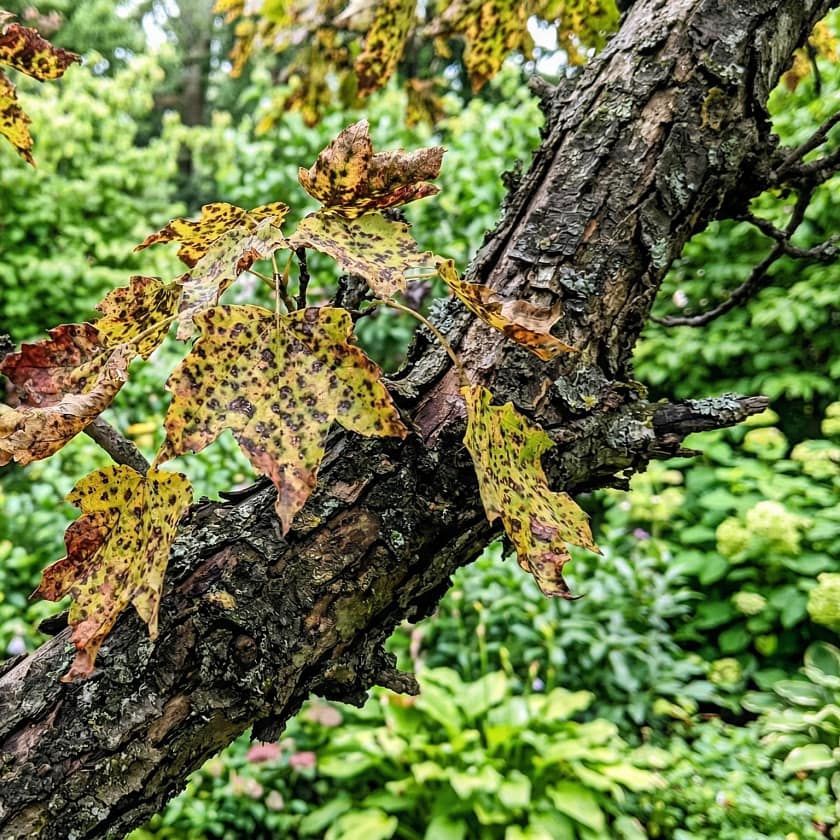
Another time, a neighbor’s maple got hit with tar spot, which shows up as round, black, tarlike spots on the leaves. We raked and removed fallen leaves before they could overwinter spores, and the severity dropped off in just one season. Sometimes, simple steps make the biggest improvements when fighting diseases in your own backyard.
Tips for Preventing Tree Diseases
- Inspect trees regularly for unusual spots, color changes, or peeling bark.
- Water at the base to avoid wetting foliage and spreading bacteria or fungi.
- Only fertilize if a soil test recommends it. Overfertilization weakens defenses and can increase disease risks.
- Plant trees in areas with good sunlight for faster drying and fewer disease issues.
- Keep garden tools sharp and clean to avoid infecting healthy trees during care routines.
- Look for tree species that do well in your region since they’ll be less likely to struggle with local diseases.
Frequently Asked Questions About Tree Diseases
Q: What’s the most common tree disease for homeowners?
A: Leaf spot diseases, like anthracnose or apple scab, are really common in home landscapes. These usually aren’t deadly to mature trees but can stress new or weak trees over time.
Q: Do I need chemical sprays for every tree disease?
A: No, lots of mild infections clear up with better tree care and by removing problem branches. Sprays come into play for recurring or fullblown fungal issues, but prevention usually goes further and keeps trees healthier in the long run.
Q: Can pruning hurt my tree during disease outbreaks?
A: It depends on when and how you prune. Always use clean tools and avoid heavy pruning during the growing season for most trees. Aim for late winter or early spring before new growth starts, unless dealing with an emergency dead limb.
Let us Bring It All Together
Understanding tree diseases means paying attention to small changes before they become major headaches. Start with good planting choices and yard habits, and check your trees as often as you check your garden beds. If disease pops up, don’t panic; a little quick action and care can keep most trees healthy for years to come.
Healthy trees don’t just look better, they also add value, comfort, and shade to your home. Watching out for early signs of trouble and using practical, timely care will save you time (and money) while helping your trees reach their full potential. Remember, giving your trees care year-round pays off, keeping your garden lush and green—and your outdoor spaces a cool, relaxing spot for everyone.
Botanicus Plus an AI PLUGIN for starters and experts
Botnicus Plus boasts an array of new features, enhancing its global appeal and user interaction. These include: 1) Multilingual Support for accessibility in various languages. 2) Virtual Tours of famous botanical gardens and historical plant sites. 3) A Botanical Identification Tool for users to upload and identify plants. 4) Seasonal Guides and Tips tailored to local climates and regions. 5) Opportunities for users to engage in Collaborative Projects and Citizen Science Initiatives. 6) Advice on Sustainable Gardening Practices. 7) Interactive Q&A Sessions with botany experts. 8) Personalized Plant Care Reminders for gardeners. These features enrich Botnicus Plus’s mission to provide comprehensive, interactive, and culturally rich botanical education, fostering a deeper connection with the natural world.
Botanicus-plus Plugin
Enjoy!👒
Invest in your future
Take time to learn
Begin your path in affiliate marketing and website building with a supportive community and me. Commit time to learning and earning as an investment in your future. Use whatever time you require to master the fundamentals before pursuing greater goals. Try it and register for free. You will not regret it—explore the potential yourself…And create your own with help of AI tools and agents