

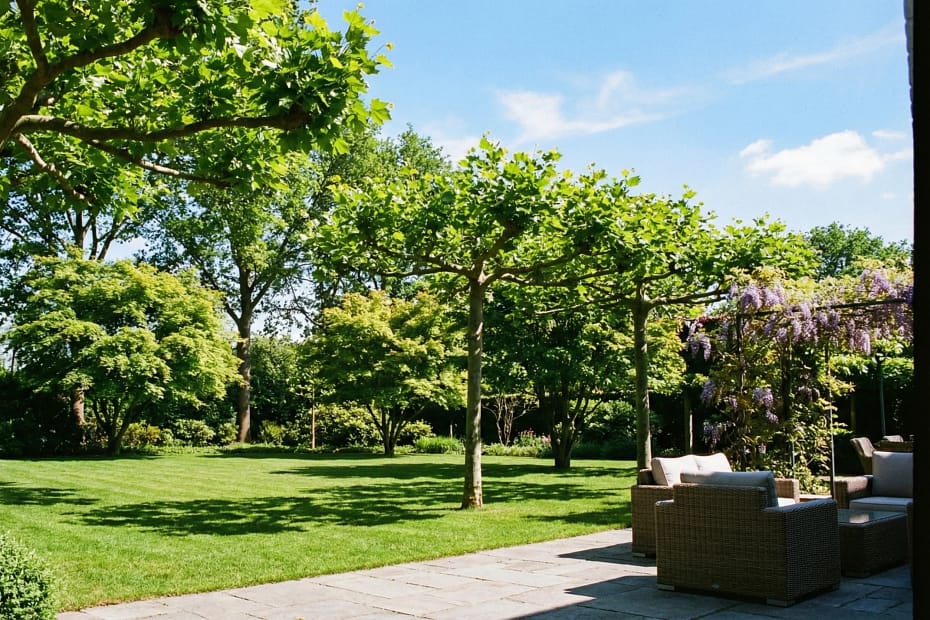
Pruning trees might sound a bit intimidating at first, but it’s honestly one of the best things you can do for your landscape. Whether you want to boost fruit production, keep things tidy, or just make your garden a bit safer, learning how to prune your trees properly will pay off in the long run. I’ve found that once you get the basics down, the process feels a lot less overwhelming and way more rewarding. Here, I’m going to walk through practical steps, what tools you’ll need, and some helpful tips so you can prune your trees with confidence.
Why Pruning Trees Is Really Important
Pruning does more than make a tree look neat. It can actually help prevent disease, improve growth, and even extend the life of your trees. Cutting away dead or weak branches means your tree focuses energy on growing healthy ones. Plus, it stops branches from falling off and causing damage in bad weather. In my experience, even a basic trimming session can totally transform the look and health of a tree.
A quick search online will show plenty of data backing up the value of tree pruning. For example, agricultural studies (like this Penn State Extension guide) explain how regular pruning helps prevent problems from certain pests or diseases. For fruit trees, pruning leads to better yields and tastier harvests. Even city trees benefit, and properly maintained street trees mean fewer hazards for people below and less interference with power lines. Keeping up with pruning supports a greener, healthier environment for everyone.
Get Started With Tree Pruning? The Basics
Before picking up any tools, it helps to know what you’re working with. Different types of trees need different amounts of pruning and some react better to certain techniques than others. Getting familiar with your tree’s needs will save you hassle later on.
I’ve found that the best time for most tree pruning is late winter or early spring, just before new growth starts. At this point, dead limbs are more visible, and you’re less likely to mess with new buds. Of course, the rules are a bit different for flowering or fruit trees (some prefer a midsummer trim), so it’s worth checking guides specific to your type of tree. Here are a few terms and basics that come up a lot:
- Deadwood: Branches that are no longer live, usually brittle and leafless. These are always safe to remove.
- Crown: The top part of the tree where most branches spread. Pruning here shapes growth and improves airflow.
- Collar: The slightly swollen area where the branch connects to the trunk. Cutting just beyond the collar helps trees heal faster.
- Water Sprouts: Thin, fast-growing branches (often vertical) that pop up after a cut. These are usually weak and can be removed.
Essential Tools You’ll Need For Pruning
Having the right tools makes pruning way easier and safer. Here’s what I always keep handy for tree work:
- Hand Pruners: Great for small branches (thumb-thick or less). Bypass pruners are best for clean cuts.
- Loppers: Long handled cutters for branches up to about 2 inches across. The extra reach is super useful.
- Pruning Saw: Needed for any branch bigger than what loppers can tackle. Folding models are easy to carry, but rigid saws are faster if you’re trimming a lot.
- Pole Pruner: Handy for reaching high branches without hauling out a ladder.
- Gloves and Safety Glasses: Don’t skip these. Eye protection especially comes in handy when branches fall or snap unexpectedly.
Keeping tools clean (wipe them with a disinfectant between trees) also stops the spread of any disease. Sharp blades make cleaner cuts and are kinder to the tree.
Step By Step Guide To Pruning Trees Like A Pro
I usually approach pruning the same way each time. Here’s the step by step routine that’s worked well for me over the years:
- Start With Dead, Damaged, Or Diseased Wood: Clear out any branches that are obviously broken, dead, or look unhealthy. Cutting these first makes it easier to see the tree’s shape.
- Remove Crossing Or Rubbing Branches: If branches are tangling up together, one will eventually get damaged. Cut back the least healthy one to prevent problems.
- Thin Out The Crown: Take out smaller branches that crowd the center. This boosts sunlight and air flow, helping reduce pests or mold.
- Shape The Tree: Step back every once in a while to see the overall shape. Try to keep things balanced, with evenly spaced main branches.
- Make The Cut Properly: Cut just beyond the branch collar, don’t leave stubs or cut flush to the trunk. For larger branches, use the three cut method (an undercut, a top cut, then finish the cut) to prevent bark tearing.
After each round of cuts, I take another look at the tree and decide if any more pruning is needed. It’s better to prune a little each year rather than take off too much in one go, which could stress the tree.
Common Challenges People Run Into
No matter how many trees you’ve pruned, you’ll run into a few tricky spots. Here are some of the problems I often see and how to work around them:
- Over Pruning: Cutting off too many branches in a single go can shock your tree. Stick to removing only about 15 to 25 percent of branches during a session.
- Suckers And Water Sprouts: These pop up rapidly around the base or high up. Since they’re weak and use energy, trim them back as soon as you spot them.
- Disease Spread: Using dirty tools or working on wet days increases disease risk. Clean tools and work when the tree is dry.
- Hard To Reach Branches: Poles, saws, or even calling a professional for high up jobs keep you safe. Never prune from the top of a ladder if you feel unsteady.
Deal With Larger Cuts And Wounds
Sometimes bigger branches have to go. For these, clean cuts promote faster healing. I avoid painting any wound sealant on. Research shows trees usually recover better without it. As always, sharp blades make the process smoother.
Time and Flowering Trees
For trees that flower or fruit, timing is really important. For example, prune spring flowering trees right after they bloom. Summer flowering and fruit trees are often best handled in late winter. Following these timing rules gets the best flowers and fruit, plus healthier branches for next season.
Extra Tips and Cool Ideas For Better Results
Getting more skilled at pruning can unlock some next level cool benefits for your yard. Here’s a few things I’ve picked up:
Know When To Stop: Less is usually more. If you’re unsure about making a cut, leave it for now. Trees will keep growing, and you can always revisit it next time.
Tackle Early Problems: Young trees are easier to shape and recover faster. Running through a quick prune in the first three years of planting helps them grow strong and well balanced.
Have a Plan: Sometimes sketching out the main limbs or marking branches with tape keeps things organized. I find this really helps on bigger or more complicated trees.
Look For Advice: If you run into pests, disease, or strange growths, your local extension office or arborist is super helpful. Online resources from university extension programs often have local advice for your climate and tree species.
Track Down Local Workshops: Check with local nurseries, arboretums, or gardening clubs. Many offer seasonal tree pruning workshops where you can get hands-on pointers from trained pros. Attending a session not only builds your confidence but lets you see real trees being pruned before you tackle your own.
Real World Uses And Examples of Tree Pruning
Pruning isn’t just about good looks, it’s about real benefits. Here’s how I’ve seen it pay off:
- Improved Safety: Cutting low or overhanging branches keeps walkways clear and reduces the risk of branches coming down in wind or storms.
- Better Fruit Production: For apples or peaches, thinning crowded spots leads to bigger, healthier fruit and easier harvests.
- Longer Tree Life: Each time you remove deadwood and disease, you’re helping your tree last more seasons.
An older oak in my backyard had branches running over the shed roof. With a careful prune over a couple of seasons, I was able to reduce the risk of damage and keep the tree looking good. The garden feels a lot more open, and I haven’t needed to do costly repairs since.
In community parks, well pruned trees mean less debris on walking paths and a tidier appearance throughout the year. I’ve also seen neighbors trim overhanging branches to help grass grow by letting in more sunlight, which can make a huge difference for your lawn’s health.

Frequently Asked Questions
Here are some of the things I get asked about tree pruning all the time:
Question: How do I know if a branch should be cut?
Answer: If it’s dead, broken, infected, growing inwards toward the trunk, or rubbing another branch, it’s probably a good candidate for pruning.
Question: Can I prune my trees any time of year?
Answer: Most prefer a trim in late winter or early spring, before new growth starts. Flowering trees might have different best times, so it helps to look up advice for your tree type before cutting.
Question: What should I do with big branches I can’t reach?
Answer: Don’t take risks with ladders or tough spots you can’t safely handle. It’s safer, and often cheaper in the longish run, to bring in a local arborist for higher cuts or trees close to your house or power lines.
Question: Are there trees I should never prune?
Answer: Some trees like maples and birches “bleed” sap heavily if pruned at the wrong time, but this rarely harms them. Still, always double-check if your tree has special needs. Rare and slow growing species can be extra sensitive.
Final Thoughts
Proper tree pruning boosts tree health, ups curb appeal, and can make your time in the yard a lot more enjoyable. The trick is to start slow, use the right tools, and pay attention to timing. Every tree is a little different, so what works for your neighbor might not be perfect for you. Trying these techniques should give you a great jump start and help your trees thrive for years to come.
Taking time each season to give your trees some attention really does pay off. You might even find that pruning is relaxing once you get the hang of it, and with regular practice, it quickly becomes second nature around the garden.
Botanicus Plus an AI PLUGIN for starters and experts
Botnicus Plus boasts an array of new features, enhancing its global appeal and user interaction. These include: 1) Multilingual Support for accessibility in various languages. 2) Virtual Tours of famous botanical gardens and historical plant sites. 3) A Botanical Identification Tool for users to upload and identify plants. 4) Seasonal Guides and Tips tailored to local climates and regions. 5) Opportunities for users to engage in Collaborative Projects and Citizen Science Initiatives. 6) Advice on Sustainable Gardening Practices. 7) Interactive Q&A Sessions with botany experts. 8) Personalized Plant Care Reminders for gardeners. These features enrich Botnicus Plus’s mission to provide comprehensive, interactive, and culturally rich botanical education, fostering a deeper connection with the natural world.
Botanicus-plus Plugin
Enjoy!👒
Related Posts

Invest in your future
Take time to learn
Begin your path in affiliate marketing and website building with a supportive community and me. Commit time to learning and earning as an investment in your future. Use whatever time you require to master the fundamentals before pursuing greater goals. Try it and register for free. You will not regret it—explore the potential yourself…And create your own with help of AI tools and agents