

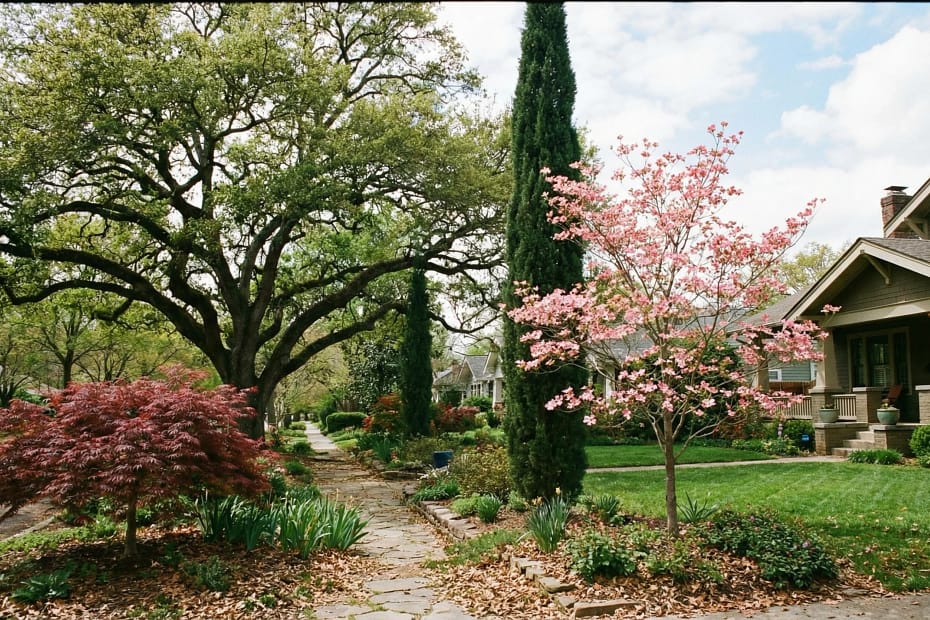
How To Choose The Right Tree Species For Your Yard
Picking the right tree for your yard isn’t just about what looks good—there’s a lot more involved, from your local climate to how much sunlight hits your soil each day. I’ve seen way too many folks plant a tree on impulse, only to realize a few years later that it’s way too big or just not suited to their space. Planting the right species right from the start means you’ll enjoy healthy growth and way fewer headaches down the line. Here’s a guide I put together to help make that decision a whole lot easier.
Why Tree Selection Really Matters For Your Yard
Choosing a tree is a long-term commitment. A mature tree doesn’t just change your curb appeal; it can influence property value, reduce energy bills by adding shade, and even create a relaxing backyard retreat. But grab the wrong species for your spot, and you could end up with root problems, seasonal messes, or an unhappy tree that never really thrives.
Backyard trees are about more than looks. They bring wildlife into your space, act as windbreaks, and filter air naturally. In some neighborhoods, carefully placed trees can increase home values by more than 10%. But those same trees, if not picked carefully, may outgrow their location and even impact utility lines or foundations. Careful research helps buyers make well-informed decisions that avoid years of headaches.
Think of your yard as its own little ecosystem. The right tree can become a habitat for birds and beneficial insects, while the wrong one might invite pests or take up too much water from the rest of your plants. Selecting thoughtfully gives a boost to your landscape’s health and balance over time.
Get To Know Your Yard? The First Step
Plants aren’t one size fits all. Each yard has its own quirks—and knowing yours makes all the difference. Here’s what you’ll want to check before picking a tree:
- Climate Zone: Find out your USDA Hardiness Zone. This tells you which trees are likely to survive the local winter lows and summer highs.
- Soil Quality: Not all trees like the same soil. Some crave clay; others are cool with sandy, welldraining dirt. Test your soil’s pH, texture, and drainage using kits from garden centers or by asking your local extension office.
- Sunlight: Watch your yard and see where the sun hits. Some trees need full sun (around 6 or more hours a day), while others do fine in shade.
- Space: Picture your yard ten or twenty years from now. Will the tree have space to spread its roots and branches without bumping into sidewalks, fences, or your home?
- Moisture: Notice if your yard tends to be damp or dry. Some trees are super thirsty and hate dry spells; others easily handle drought like it’s no big deal.
Additionally, pay attention to your yard’s microclimates—some corners may stay cooler, receive more wind, or have less light than others, making them better suited for certain species. Watching your yard throughout the seasons helps you spot these patterns and pick the most fitting tree for each area.
Quick Guide? Steps To Picking The Right Tree Species
Once you’ve scoped out your yard’s conditions, it’s time to narrow down your list of tree candidates. Here are some practical steps that usually help:
- Measure Your Planting Area: Grab a tape measure to get both vertical and horizontal space available. Remember to check how close you’ll be to driveways, power lines, or other trees.
- Decide On Tree Purpose: Are you after shade, privacy, flowers, or fruit? Picking a purpose helps narrow down species that fit your goal.
- Go Native: Trees native to your region are more likely to thrive and support local wildlife. Non-natives can seem nextlevel cool, but sometimes they require more effort or become invasive.
- Think About Maintenance: Some trees drop leaves, fruit, or sap and might need regular raking or pruning. Figure out how much mess and work you’re okay with.
- Check Local Restrictions: Cities and HOAs sometimes have rules about tree species, especially near power lines or sidewalks. It’s worth a quick check.
Matching these preferences to your yard’s conditions neatly points you toward smart choices that last for decades.
When tracking down specific species, consider asking local nursery staff for real-world feedback about how trees grow in your neighborhood. Sometimes what works on paper isn’t right for your street. These conversations often reveal hidden gems suitable for your climate.
What To Consider Before Planting A Tree
Sifting through tree options can feel overwhelming. I break it down below with practical features and things to watch out for:
- Growth Rate: Fastgrowing trees like willows or poplars offer quick shade but tend to have weaker wood and shorter lifespans. Slower growers might take more patience but usually live longer and have stronger branches.
- Size At Maturity: That cute sapling from the nursery could turn into a 60foot giant. Always check the mature height and spread, then compare it to your available space.
- Root Systems: Some species have shallow, spreading roots that lift sidewalks or crowd out lawns. Others grow deep taproots that are less likely to cause trouble.
- Allergens And Wildlife: Some trees are notorious for triggering allergies. Others attract birds, bees, or maybe even squirrels—great if you like wildlife, less so if you want quiet, tidy yards.
- Seasonal Interest: Flowering cherries, maples with bold fall color, or evergreens for yearround green. Think about what your tree brings to the table at different times of the year.
Growth Rate
I once planted a silver maple thinking I’d get quick shade. It delivered, but the branches broke in summer storms, and it needed a lot of pruning. Slow and steady growers like oaks or dogwoods might start small but often last generations, needing less ongoing care.
Size At Maturity
I’ve seen neighbors dig up trees just five years after planting because they grew way bigger than expected. Always ask about a tree’s expected size and picture how it’ll fit in once it’s reached its full potential. Avoid headaches by planting farther from driveways, homes, and patios than you think you’ll need.
Root Systems
If you’re planting near sidewalks or utility lines, pick species with less aggressive roots. Dogwoods, hawthorns, or redbuds work well for small spaces. Steer clear of willows or silver maples unless you’ve got ample, open ground with no buried lines nearby.
Allergens And Wildlife
If you or your family are allergyprone, check pollen ratings for your tree options. Sycamores, oaks, and elms are among the more troublesome for allergies. Attracting birds can be nice, but be ready for berry droppings or paths worn into lawns by visiting creatures.
Seasonal Interest
Some trees bring multiple seasons of beauty, like red maples in fall or flowering crabapples in spring. Evergreens such as spruce or pine keep your yard looking lively all winter. Mixing types keeps things colorful all year long. For added variety, you can also include some lesserknown selections, such as serviceberry or sweetbay magnolia, to enjoy unique blooms and berries through different months.
Pro Tips For Tree Selection And Care
Once you’ve picked your tree, a bit of extra thought pays off. Here are some tips from my own planting experience:
Check Nursery Stock: Look for trees with strong, upright trunks and branches well spaced around the trunk. Avoid ones with wounds or signs of disease.
Watering Needs: Young trees need regular water for the first one to two years. Place mulch around the base (but not against the trunk) to help retain moisture and keep weeds at bay.
Staking: Most young trees only need light staking for the first season. Remove stakes once the tree can stand on its own.
Pruning: Early, simple pruning helps shape the tree and removes damaged or crossing branches.
Regular Checkups: Take a walk around the yard each season to spot pest problems or branch breakage early.
Beyond these basics, thinning out competing vegetation around your new tree can give roots a head start, and keeping an eye out for pests, especially during the first few years, helps ensure strong establishment. If you want to take up your landscaping a notch, try combining trees with companion plants like shade-tolerant perennials or flowering shrubs to round out your design.
Common Tree Uses and Yard Goals
- Shade: Oaks, maples, and lindens are great picks if you want a cool spot for summer lounging.
- Flowering Beauty: Dogwoods, redbuds, and magnolias offer blooms that light up your yard in spring.
- Privacy: Arborvitae and junipers are classic screens for blocking neighbors or busy streets. Layer them with taller grasses for extra privacy.
- Fruit And Edible Trees: Apples, cherries, and peaches provide tasty harvests and double as pollinator magnets. Consider planting two compatible varieties for better fruit set.
If you’re aiming for wildlife habitat, oak and serviceberry trees are known to support a wide range of birds and pollinators, while evergreens lend yearround shelter during harsher months. When picking, match your goal with each tree’s best features for a useful, attractive yard.
Frequently Asked Questions
Question: How do I know if a tree is native to my area?
Answer: Check online resources like your state’s native plant society or ask at your local nursery. Native species are used to your local climate and tend to need less care.
Question: What if I have a small yard?
Answer: There are plenty of smaller trees like redbud, serviceberry, or Japanese maple that work well without taking over. Focus on species described as “ornamental” or “dwarf.”
Question: Can I plant a tree close to my house?
Answer: It’s usually best to keep medium to large trees at least 20 to 25 feet from buildings. Small trees may be okay a little closer, but doublecheck root systems and mature width. When in doubt, add a few extra feet of space.
Start Your Tree Planting Adventure
Picking the right tree species sets up your yard for years of beauty and shade. Take a little time to get familiar with your spot, think through your goals, and check what thrives in local conditions. With the right info, you’ll grow a backyard that gets better with every season. The choices you make now can lead to a landscape that matures gracefully and supports your needs, your family’s comfort, and local wildlife for decades to come.
Botanicus Plus a GPT for starters and experts
Botnicus Plus boasts an array of new features, enhancing its global appeal and user interaction. These include: 1) Multilingual Support for accessibility in various languages. 2) Virtual Tours of famous botanical gardens and historical plant sites. 3) A Botanical Identification Tool for users to upload and identify plants. 4) Seasonal Guides and Tips tailored to local climates and regions. 5) Opportunities for users to engage in Collaborative Projects and Citizen Science Initiatives. 6) Advice on Sustainable Gardening Practices. 7) Interactive Q&A Sessions with botany experts. 8) Personalized Plant Care Reminders for gardeners. These features enrich Botnicus Plus’s mission to provide comprehensive, interactive, and culturally rich botanical education, fostering a deeper connection with the natural world.
Enjoy!👒
88
Invest in your future
Take time to learn
Embark on your journey in affiliate marketing and website creation alongside an incredible community and myself. Invest in your future by dedicating time to learn and earn. Take all the time you need to master the basics before aiming higher. Give it a try and sign up for free. You won't regret it! Discover the possibilities for yourself...