

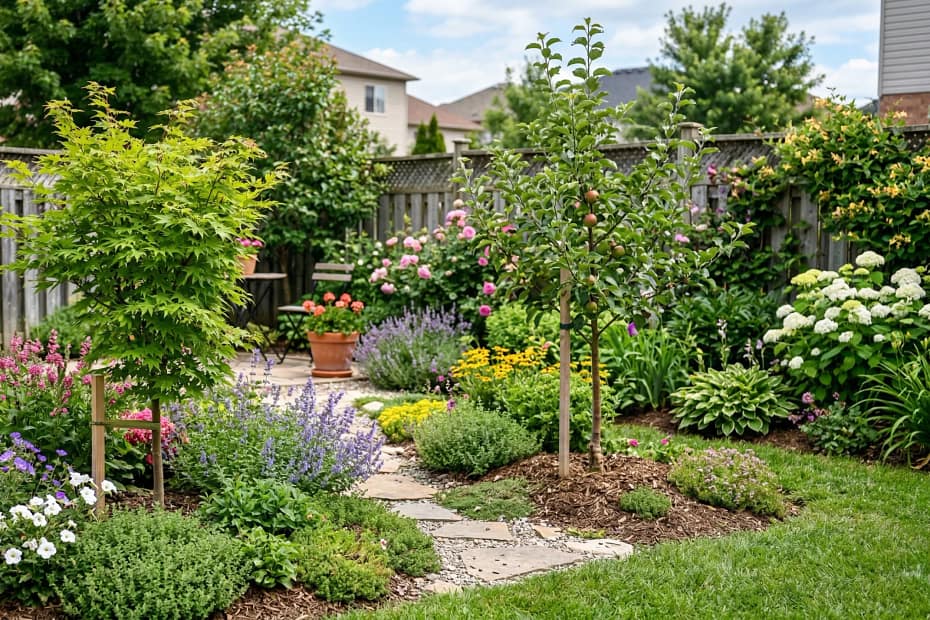
Best Companion Plants For Enhancing Tree Growth
If you’ve ever tried to boost tree growth in your yard or want your young saplings to thrive, companion planting is a technique worth checking out. It’s a gardening practice where certain plants are grown near each other to offer mutual benefits like shared nutrients, improved soil health, or natural pest control. Selecting the best companion plants for trees can really make a visible difference without a lot of extra work, and you don’t need to have an advanced degree in horticulture to get real results. I’m sharing practical ideas here to help you grow happier, healthier trees using thoughtful plant partnerships.
Why Companion Planting Boosts Tree Growth
Companion planting doesn’t just look good, it’s a super practical way to bring out the best in your trees. Putting compatible plants together increases biodiversity in your yard and encourages stronger root systems alongside fewer pests. I’ve noticed fewer problems with soil diseases and healthier tree canopies in my own garden since mixing in good companions.
Trees often compete with weeds for water and nutrients, but the right plant neighbors can help keep the soil moist, attract useful insects, and cut down on plant diseases. Research from institutions like the Royal Horticultural Society shows that diverse planting can reduce pest outbreaks and encourage better yields in orchards and home gardens. This approach isn’t new; people have used it for centuries to maintain vibrant, productive landscapes.
Trees benefit most when surrounded by plants that help condition the soil or act as natural repellents. For example, leguminous plants fix nitrogen, making it available to tree roots. Lowgrowing ground covers limit weed growth and help keep soil moisture steady. These strategies support faster growth and stronger trees without the need for heavyduty fertilizers or harsh chemicals.
Get Started and Understand TreeFriendly Companions
The first step is to understand your tree’s needs, things like water, sun, and space, then look for plants that fit harmoniously. Trees go through vulnerable stages, especially when young or newly planted, so companion plants that give a boost to soil health and deter pests are honestly pretty handy during these times.
Here’s a brief look at the types of companion plants that pair well with most trees:
- Legumes: Beans, clover, and peas pump up nitrogen levels for stronger tree growth.
- Ground covers: Creeping thyme, sweet woodruff, and clover shade soil, keep it moist, and crowd out weeds.
- Pestrepellers: Marigolds, garlic, and chives naturally deter insects, nematodes, or even deer.
- Pollinator attractors: Lavender, bee balm, and borage bring in bees and other pollinators, keeping the surrounding ecosystem humming.
- Dynamic accumulators: Comfrey and yarrow pull up nutrients from deep in the soil, benefiting tree roots and making the soil richer over time.
Pairing is not just about making things look pretty. Each plant plays a role. Picking species adapted to your climate and soil will keep your companion planting plan lowmaintenance and sustainable year after year. I lean on shadetolerant ground covers near dense canopies, while sunhappy flowers work best around younger or opencanopy trees.
How To Combine Companion Plants With Trees For Best Results
Successful companion planting around trees is all about making smart, intentional choices. You want partners that get in tune instead of compete, share resources, and leave room for your tree to establish itself fully. Here’s a simple guide I follow for getting started:
- Assess your tree’s current condition: New trees benefit from nitrogenfixers, while established fruit trees need pollinator attractors and mulch support.
- Keep distance in mind: Give tree trunks some breathing room. Plant companions about 1824 inches from the trunk to avoid stifling young root growth.
- Mix layers: Think in layers, low ground covers, upright flowering plants, and small bushes or shrubs, each providing different benefits.
- Mulch creatively: Use living mulch like sweet alyssum, creeping thyme, or white clover, which not only cool the soil but feed it naturally as they grow.
- Rotate or refresh companions: Change up annuals each season to keep pest populations in check and soil nutrients balanced.
Each step supports healthy root development and shields trees from heat, drought, and competition with weeds. Perennials like comfrey and yarrow return every year and actively improve root zones, while flexible options like marigolds can be moved or swapped out as needed. Don’t worry if you can’t get it perfect right away, every tree and site is a bit different, so small changes make an impact over time.
Popular Companion Plants For Different Types of Trees
Certain companion plants are real gamechangers for particular tree varieties, so I put together some of my favorite pairings to take the guesswork out. Whether you’re dealing with fruit trees, shade trees, or evergreens, there’s a group of plants that will give a boost to their health and make care easier.
- Apple, Pear, and Stone Fruit Trees: Try planting chives, nasturtiums, marigolds, borage, garlic, and clover. These help attract pollinators, repel codling moths, and keep root zones weedfree.
- Citrus Trees: Alyssum, basil, dill, or nasturtiums encourage bees and deter leaf miners. Living mulch like white clover keeps roots cool and moist in hot climates.
- Cherry Trees: Marigolds and calendula deter nematode pests, while yarrow improves pollinator visits.
- Maples, Oaks, and Other Shade Trees: Try wild ginger, violets, ferns, or sweet woodruff beneath mature canopies. These handle lower light and keep weeds down.
- Evergreen Trees (Pines, Spruce): Lupines and clover are great nitrogen boosters for poor soils, while creeping thyme or ajuga adds color and covers bare patches at the base.
For all tree types, avoid large grasses or heavy feeders, as these can hog all the water or nutrients. Herb spirals or mixed borders around the drip line make maintenance easier and encourage more wildlife too.
Things You Should Keep In Mind Before Planting
I learned pretty quickly in my own yard that companion planting can include a few tricky bits. Thinking ahead is really important, so you get the full benefits (and save yourself some headaches down the road). Here are some points that help:
- Water Competition: Most trees and companions do best if you mulch well. This keeps water available longer and prevents shallowrooted companions from drying out in hot weather. Water deeply at the root line.
- Space and Growth: Check mature sizes. Aggressive spreaders like mint or comfrey can take over a space if not managed. Stick to clumpformers or keep runners in check with edging.
- Soil Preferences: Match plants to your soil type and pH, not just sun/shade patterns. Some plants (like blueberries or azaleas) demand acidity, while others want more neutral soil.
- Timing: Plant annuals after trees leaf out, so they don’t smother emerging shoots or compete during vulnerable early stages.
- Pests and Diseases: Rotate or change up your mixes each year to prevent buildup of singlespecies pests like nematodes or aphids.
Managing Water Competition
Even with super compatible plants, water can become a limiting factor. I use soaker hoses or drip irrigation so water gets straight to roots without soaking tree trunks or causing rot. Grouping droughttolerant plants together around more mature trees helps too.
Avoiding Aggressive Growers
Some plants meant for companion planting, like mint or comfrey, are great for soil but require tough controls or root barriers to keep them from spreading everywhere. Use pots sunk into the soil or physical edging to block the takeover.
Matching To Soil And Sunlight
Not all companions thrive in every yard. Test your soil or talk to a local nursery for specific matches if you’re unsure. Whenever possible, choose native species since they’re already adapted to local challenges and support local wildlife as a bonus.
Extra Tips for Maximizing Tree Growth With Companions
If you’re ready to take your companion planting up a notch, here are a few hacks that have worked wonders for me:
Rotate annuals seasonally: Plant earlyspring nasturtiums, then swap to summer basil or calendula. This keeps pest cycles from getting established and makes the garden look lively yearround.
Use compost teas or leaf mulch: Feed the soil with homemade compost or comfrey “tea” brewed from companion plant leaves. This gives a boost to soil microbes and helps tree roots absorb more nutrients.
Encourage beneficial insects: Leave sections unmulched or with flowering herbs. They bring in ladybugs, lacewings, and butterflies which help with natural pest control.
Try interplanting with edibles: Mix strawberries or herbs like oregano for a harvest that pays off for both trees and your dinner table.
Observe and tweak: Watch which combos thrive and which seem stressed, then adjust each year. Nature works in cycles, and small tweaks make a big difference over time.
I’m always amazed how quickly trees perk up with this approach. Yields improve, leaves stay greener, and the whole yard feels more alive because there’s less monoculture and more diversity. Plus, it’s a lot more fun to watch ladybugs cruising on flower petals than to spray for pests.
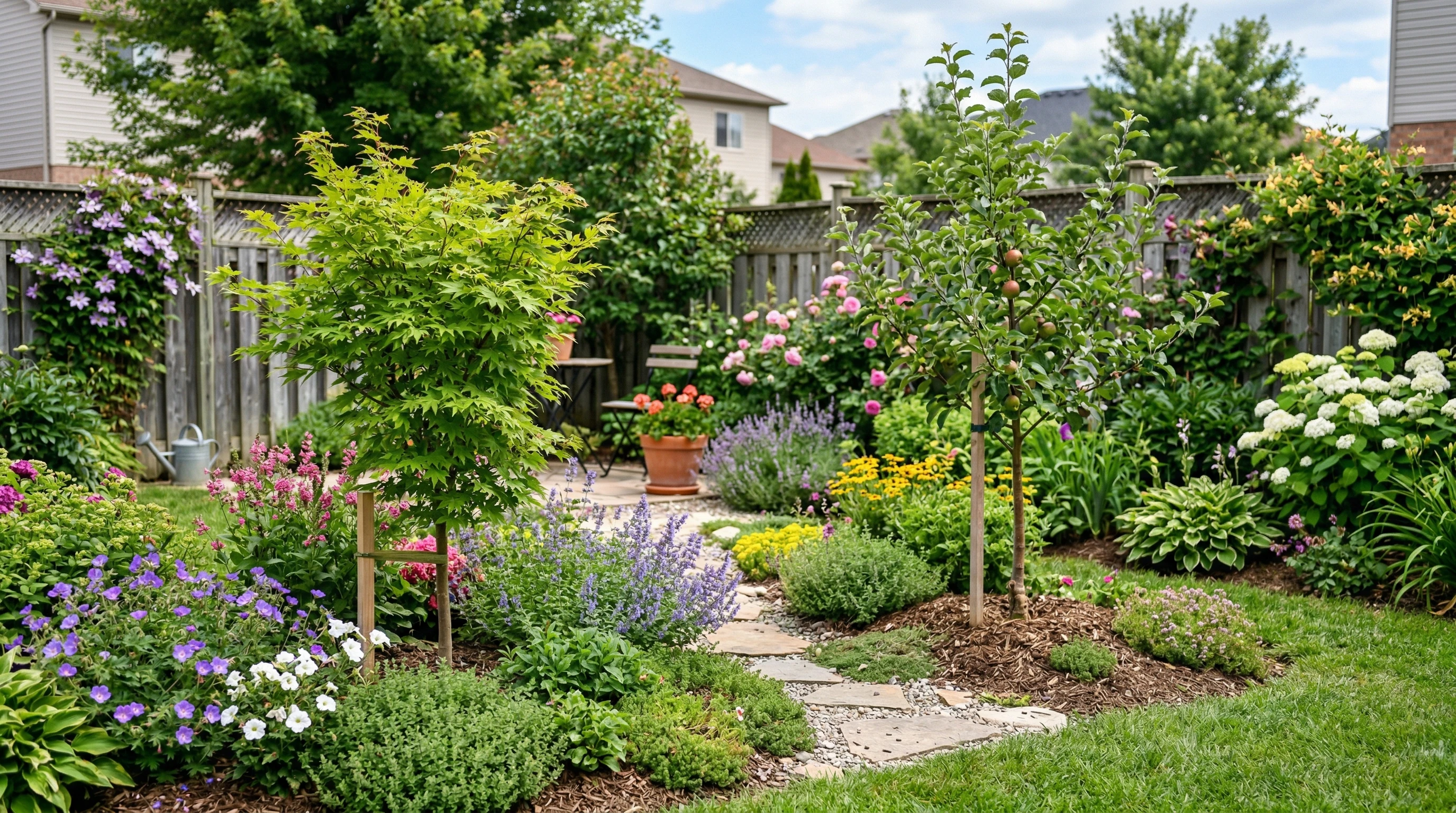
Tree Companion Planting FAQ
Here are some questions gardeners usually ask when they’re first trying out companion planting with their trees:
Question: Can companion planting work for trees in pots or containers?
Answer: Yes, but go with shallowrooted herbs or flowers so roots don’t compete too much. Try thyme, chives, basil, or annual flowers.
Question: How close can I plant ground covers to a tree trunk?
Answer: Keep at least a foot between ground covers and young tree trunks to avoid moisture buildup and root rot.
Question: Are there any plants I should absolutely avoid near trees?
Answer: Avoid tall grasses or anything from the walnut family, as these can release chemicals that stunt tree growth (a process called allelopathy).
Ready To Enrich Your Trees?
Building a thriving garden is all about choosing the right combos. Good companion plants help your trees grow with less work, fewer chemicals, and a lot more color. Whether you’re planting a shadegiving oak or a backyard fruit orchard, smart plant pairings bring real benefits you’ll notice year after year. If you’re new to gardening or looking to refresh your old beds, it’s worth trying a few companion combos this season. Your trees, and your whole landscape, will be better for it.
Botanicus Plus an AI PLUGIN for starters and experts
Botnicus Plus boasts an array of new features, enhancing its global appeal and user interaction. These include: 1) Multilingual Support for accessibility in various languages. 2) Virtual Tours of famous botanical gardens and historical plant sites. 3) A Botanical Identification Tool for users to upload and identify plants. 4) Seasonal Guides and Tips tailored to local climates and regions. 5) Opportunities for users to engage in Collaborative Projects and Citizen Science Initiatives. 6) Advice on Sustainable Gardening Practices. 7) Interactive Q&A Sessions with botany experts. 8) Personalized Plant Care Reminders for gardeners. These features enrich Botnicus Plus’s mission to provide comprehensive, interactive, and culturally rich botanical education, fostering a deeper connection with the natural world.
Botanicus-plus Plugin
Enjoy!👒
Invest in your future
Take time to learn

Begin your path in affiliate marketing and website building with a supportive community and me. Commit time to learning and earning as an investment in your future. Use whatever time you require to master the fundamentals before pursuing greater goals. Try it and register for free. You will not regret it—explore the potential yourself…And create your own with help of AI tools and agents