

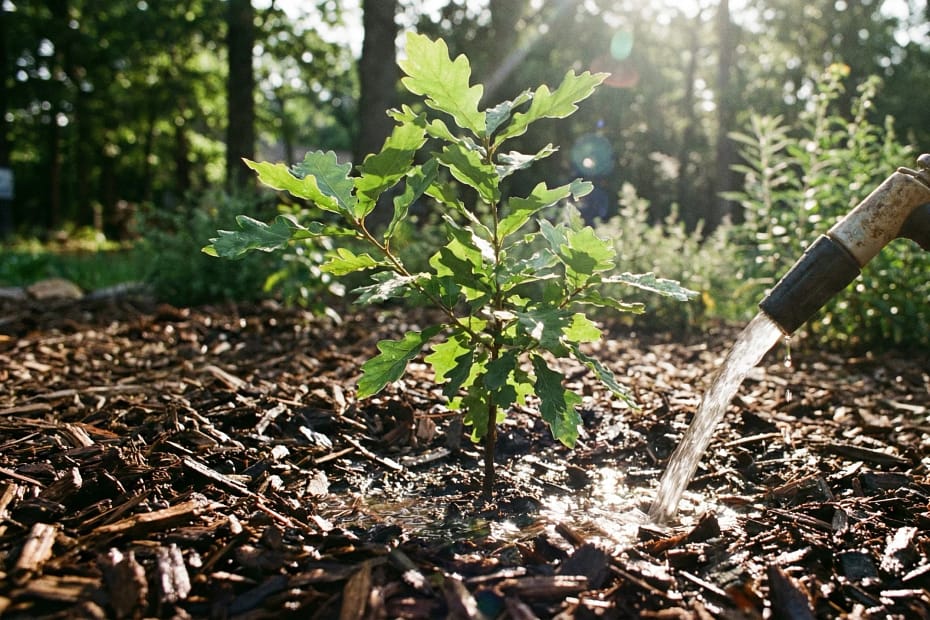
How To Water Young Trees For Optimal Growth
Watering young trees makes a huge difference in how well they settle into your landscape and how quickly they grow strong roots. The process isn’t as simple as sprinkling some water every now and then. There are a few basics that help you avoid common mistakes, especially with new trees in those all-important first few years. As someone who’s planted more than a few backyard saplings and seen them thrive (or sometimes struggle!), I can share some practical tips that make a real difference. Here’s my experience-driven guide to watering young trees for solid and healthy growth.
Why Proper Watering Matters for Young Trees
Newly planted trees haven’t established their root system, so they need extra help staying hydrated. In the first few years, roots are still shallow and spread out in only the top layers of soil. This leaves young trees vulnerable to drying out, especially during hot, windy, or dry periods.
Consistent watering allows these fresh roots to dig deeper, making the tree more drought-resistant in the long run. Without enough water, a tree’s leaves may wilt, yellow, or drop, and growth slows down. New trees are an investment, so getting watering right is one of the easiest ways to help them thrive and grow into impressive landscape features for years to come.
The Basics of Watering Young Trees Effectively
Understanding some simple science behind watering helps you give your new tree the best shot at a healthy start. Watering slowly and deeply encourages roots to grow down, not just out near the soil surface where they could dry out quickly.
- Deep Watering: Give the soil a good soak so water reaches 12–18 inches down, where developing roots are searching for moisture.
- Slow and Steady: Watering too quickly leads to runoff and wasted water. Using a slow trickle from a hose, soaker hose, or drip system works best.
- The Root Zone: Focus around the drip line (the outer edge of the tree canopy), where most new feeder roots are growing, rather than right up against the trunk.
The amount of water needed depends on the tree’s age, the soil type, and the weather. Young trees typically need about 5–15 gallons per watering session, but clay soils may hold water longer, while sandy soils dry out faster. Online resources like university cooperative extensions, including this guide from the University of Minnesota Extension, provide more super detailed breakdowns if you want to get specific for your growing region.
During particularly hot summers or stretches of windy weather, the top several inches of soil can dry out quickly; being aware of weather patterns each week will help you adjust your approach and avoid any slip-ups in the watering schedule. Even cities prone to summer storms can experience dry spells, so it always pays to double-check the soil before assuming it’s still moist from last week’s rainfall.
Step-By-Step Guide For Watering a Young Tree
- Check the Soil: Before adding more water, stick your finger two or three inches into the dirt next to the tree. If it feels dry, it’s time to water. If it’s still moist, you can wait a bit longer.
- Water at the Base: Aim the water at the root zone, not directly on the trunk. Move around the tree to cover the full circle underneath the canopy, making sure all roots get a drink.
- Slow Delivery: Use a drip system, soaker hose, or a regular hose with the water turned low. For smaller trees, a five-gallon bucket with holes at the bottom set near the base works great for a slow soak.
- Mulch to Give a Boost: Add 2–4 inches of mulch (wood chips or shredded bark) in a wide ring around the tree after planting and watering. Keep mulch a couple of inches away from the trunk to avoid rot. Mulch locks in moisture and keeps the roots cool.
It’s not about rigid schedules. Watering needs change with rain, heat, humidity, and soil conditions. Trees in windy or sunny spots dry out faster, so keep an eye on those. Remember, a consistent routine supports stronger growth and better adaption to your local environment.
How Often to Water Young Trees
During the first season after planting, most new trees need watering every two or three days to get started. After a few weeks, you can often switch up to once a week, soaking the soil deeply each time. Here’s a simple breakdown for most climates:
- 1–3 Months After Planting: Water two or three times per week. Hot or windy weather might mean more frequent checks.
- 3–12 Months: Once a week, add enough water so the root area gets a thorough soak. Skip a week if there’s heavy rain.
- After 1–2 Years: Trees develop stronger roots and can handle less frequent watering, but during drought, deep watering every two to four weeks is pretty handy.
Trees planted in the fall might need less frequent watering, but don’t let them dry out, especially before the ground freezes. In especially dry regions, you may need to adjust this schedule—flexibility is key.
Factors That Affect Watering Young Trees
- Soil Type: Clay holds more water, meaning less frequent watering, while sandy soils drain quickly, needing more frequent moisture. Loamy soils strike a balance and make things easier.
- Tree Species: Some trees, like oaks and maples, are tougher once established, while fruit or flowering trees might need a bit more attention to stay healthy and push out new growth.
- Weather: Rainy weeks mean less watering from you, but heat waves, windy spells, or long dry periods call for more keeping an eye out. Extreme heat can dry soils within a day, so adapt your plan if you have an abrupt change in weather.
Signs You’re Overwatering or Underwatering
Too much water can drown new roots, while too little leaves them parched. Watch for these clues and you’ll be able to spot issues before they get out of hand:
- Underwatering: Wilting, curling leaves, yellowing at the edges, leaf drop, and visible cracks in dry soil.
- Overwatering: Yellowing leaves (especially lower branches), mushy stems, fungus, and consistently soggy soil.
If your young tree looks sad, first check the soil moisture before grabbing the hose again. Well draining soil makes a big difference in preventing root rot and helping oxygen get to the roots.
Troubleshoot Common Watering Problems
- Water Running Off: Try pausing and giving water time to soak in. Loosen compacted soil, or make a shallow ring in the soil around the root area to pool water where it’s needed most.
- Water Pooling Near Trunk: Always target the drip line, not the trunk. Move mulch out slightly and adjust your watering pattern to direct more water toward the outer circle of roots.
- Mulch Problems: Avoid piling mulch against the trunk, which can lead to rot or pest issues. A wide, flat ring works best.
When in doubt, talking with a local arborist or nursery worker can save a lot of time and tree stress. They know what works for your area’s soils and weather, and can usually spot problems quickly. Ask them for guidance, especially with rare or sensitive tree types.
Smart Tools and Watering Techniques
Technology and simple gadgets can really take up your watering routine:
- Drip Irrigation Kits: These supply slow, steady water and cut down on evaporation, especially for rows of young trees. Drip systems also free up your hands for other gardening chores.
- Soil Moisture Meters: Handy little probes take the guesswork out of watering by showing you when soil is wet or dry. They’re cheap and worth adding to your toolkit.
- Watering Bags: Great for trees in hot spots, watering bags fit around the base and release water slowly over hours, cutting way down on labor during busy weeks and keeping trees happier when you’re away.
Basic timers for hoses, weather alerts on your phone, and rain gauges can all give a boost to your tree care routine. These tools ensure that you’re on top of every variable and help you keep trees on a steady path to flourishing.
Real-World Example: My Backyard Experience
This spring, I planted a pair of redbuds and a Japanese maple in my own yard. Even with years of gardening, I still found it easy to underwater during unexpected windy spells. After switching to a slow-drip soaker hose and checking soil moisture every few days, all three bounced back and pushed out tons of new growth by summer’s end. Mulching really made a difference, too; no more baked, cracked soil under hot afternoon sun. If you remember anything, it’s that consistency matters more than flooding the tree every once in a while. Developing a routine made my trees look eye catching and healthy—even neighbors commented.
Frequently Asked Questions
Here are a few questions I’ve gotten from friends and neighbors about watering young trees:
Question: How much water do new trees really need?
Answer: Most new trees do best with 5–15 gallons per session, given one or two times per week, depending on soil and weather. For sandy soils, you might edge toward the high end of that range.
Question: Is it better to water in the morning or evening?
Answer: Early morning is my go-to since there’s less evaporation. Evening works if you avoid soaking leaves or creating damp conditions that attract fungi overnight. Aim for roots, not leaves.
Question: Can I use a sprinkler for new trees?
Answer: Sprinklers can work, but most of the water ends up on leaves and grass, not roots. Soaker hoses, buckets, or slow drip are more efficient for deep watering where it counts.
Question: My soil is hard clay. Any tips?
Answer: Loosen the planting area as much as possible, water slowly to help it soak in, and keep mulch over the root zone. If needed, add some compost to improve texture and drainage.
Question: Can mulching cause issues?
Answer: Only if you pile it against the trunk or use mulch that retains too much water. Keep the mulch a couple of inches out from the trunk and use coarse, natural materials.
Final Thoughts on Helping Young Trees Grow
Getting watering right can make the difference between a struggling sapling and a thriving young tree that sets deep roots for decades of shade or fruit. With some consistency, regular soil checks, and a little patience, your new trees will get the best start possible. Local resources like cooperative extensions or reputable nurseries are great sources if you want advice that’s tailored to your area. Happy planting and here’s to seeing your trees become the next-level cool stars of your outdoor space!
Botanicus Plus a GPT for starters and experts
Botnicus Plus boasts an array of new features, enhancing its global appeal and user interaction. These include: 1) Multilingual Support for accessibility in various languages. 2) Virtual Tours of famous botanical gardens and historical plant sites. 3) A Botanical Identification Tool for users to upload and identify plants. 4) Seasonal Guides and Tips tailored to local climates and regions. 5) Opportunities for users to engage in Collaborative Projects and Citizen Science Initiatives. 6) Advice on Sustainable Gardening Practices. 7) Interactive Q&A Sessions with botany experts. 8) Personalized Plant Care Reminders for gardeners. These features enrich Botnicus Plus’s mission to provide comprehensive, interactive, and culturally rich botanical education, fostering a deeper connection with the natural world.
Enjoy!👒
Invest in your future
Take time to learn

Embark on your journey in affiliate marketing and website creation alongside an incredible community and myself. Invest in your future by dedicating time to learn and earn. Take all the time you need to master the basics before aiming higher. Give it a try and sign up for free. You won't regret it! Discover the possibilities for yourself...