

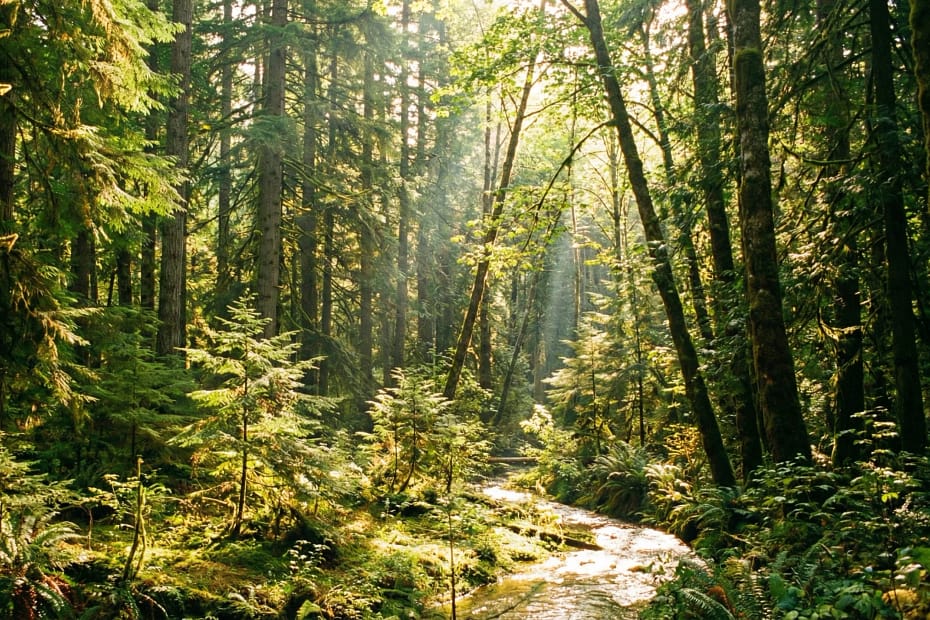
Trees serve a bigger purpose than simply adding beauty to parks and forests. Planting and caring for them is a practical strategy to cut down your carbon footprint. If you want to live greener but aren’t sure how to begin, trees offer a straightforward solution. I’m excited to show you how just a bit of tree knowledge and some simple steps can help you make a real dent in your personal impact on the planet.
Why Trees Matter for Reducing Carbon Footprint
Trees act like giant natural air filters; they pull carbon dioxide (CO2) from the air and lock it away in their wood, roots, and leaves. The science here is pretty solid. Photosynthesis lets a tree soak up CO2 and then use it to fuel growth, while releasing fresh oxygen. For anyone paying attention to climate change or interested in helping the planet, this process is crucial.
Globally, forests absorb about one-third of the CO2 produced by burning fossil fuels each year, according to the Food and Agriculture Organization (source: FAO). The more healthy trees we have, the more CO2 gets pulled from the atmosphere. Adding trees to your yard or community, or supporting reforestation projects, can be a low-effort way to shrink your environmental footprint.
Small Steps to Use Trees for Carbon Reduction
Kicking off your own tree-powered carbon cutback is easier than you might expect. You don’t have to own a forest or start with dozens of trees. Every bit helps. Here are some simple ways regular people can get involved:
- Plant a Tree at Home: If you’ve got a yard or a roomy patio, adding just one or two trees can make a significant difference over their lifetimes. Fastgrowing native species often provide the fastest results.
- Join Community Tree Programs: Cities and neighborhoods often organize “tree giveaway” or planting days. Joining these lets you boost tree counts locally with little hassle.
- Support Verified Tree Projects: If you can’t plant yourself, funding reforestation or conservation through trusted organizations genuinely helps.
A little care for young trees, such as watering and mulch, goes a long way in helping them grow strong enough to pull in more CO2. Don’t skip this if you want your efforts to last.
How Do Trees Actually Lower Your Carbon Footprint?
Planting or protecting trees means you’re backing the planet with several carbonbusting tools:
- Direct Carbon Storage: An average tree absorbs about 22 kg (roughly 48 pounds) of CO2 per year, with mature trees soaking up even more.
- Energy Savings: Smart placement provides shade in summer and protection from wind in winter. This can lower your energy use and further reduce emissions.
- Cleaner Air and Water: Healthy trees help trap air pollutants and slow water runoff, supporting cleaner communities and urban neighborhoods.
All together, these benefits add up. Even a single tree offers a notable “climate payoff,” especially if more people do their part.
Practical Tips for Maximizing Your Tree’s Climate Power
With a few smart moves, trees can do even more for the planet. Here’s what I and experts suggest:
- Choose Native Species: Trees that naturally grow in your area need less water and fertilizer, while also attracting birds and pollinators for extra ecosystem support.
- Watch Your Placement: Plant deciduous trees (those that lose their leaves) on the south or west side of your home; you’ll get summer shade and winter sunshine.
- Use Mulch and Avoid Overwatering: A couple inches of mulch keep roots cool and moist and protect young trees from weeds.
- Protection from Damage: Lawnmowers and trimmers often hurt young trees, so a ring of mulch offers some defense and encourages healthy growth.
Following these basics gives trees an easier path to maturity, where their carbontrapping power truly takes off.
Challenges and How to Tackle Them
Not everything about tree planting and care goes without hiccups. Here are some common issues, and what you can do:
- Space Limitations: Living in an apartment or managing a small yard can make planting tricky. Container trees, supporting urban forests, or joining neighborhood tree groups let you jump in even with little space.
- Water and Care: Young trees need plenty of water for their first couple years, especially if there’s drought. Try water bags, deeproot watering, or connect with community tree stewards for help.
- Pests and Disease: Keep an eye on leaves and bark for odd colors or bugs. Native trees usually recover quicker, and experts at local nurseries can recommend easy fixes.
Space Challenges
Not everyone has a massive backyard. I’ve worked with plenty of folks who plant dwarf fruit trees on balconies, or help with city park tree corridors. Choosing shrublike trees or hedging plants can also serve the purpose, so don’t get discouraged if space is an issue.
Watering and Maintenance
New trees need steady water to get through their first couple of summers. I rely on a water bag or set a reminder on my phone for weekly deep watering. Teaming up with neighbors not only makes things easier but brings a sense of community—you can collaborate on care and swap advice.
Stay Sharp About Pests
I periodically give young trees a quick check for any unusual spots, pests, or drooping leaves. If in doubt, I ask local arborists or search for advice from cooperative extensions. Native species often resist local pests better, which boosts their survival rate.
Take Up a Notch? Extra Ways to Boost Your Impact With Trees
When you get comfortable with the basics, here are some neat ways to take things up a notch:
Care for Existing Trees: Mature trees pull in much more CO2 than their younger counterparts. Protect these from construction, harsh weather, and report threats to city departments so maintenance—rather than removal—happens.
Promote Urban Canopy Projects: Urban tree-planting programs not only cool neighborhoods but return impressive carbon reduction and energy savings. Share the word with friends or sign up for a planting day; it’s rewarding and social.
Stand Behind Forest Conservation: Worldwide, forests are removed for agriculture and development. Joining or funding groups committed to forest protection and regrowth boosts your overall effect in the fight against CO2 buildup.
Real-Life Examples? Trees Making a Difference
It’s inspiring to see the transformation that trees can spark in both local spaces and broader communities:
- School Planting Initiatives: Many schools now include tree planting in science or Earth Day programs. Students gain hands-on lessons about climate issues, teamwork, and environmental care as they watch their trees grow.
- Community Forests: Cities like Sacramento and Philadelphia have established urban forests that cool entire neighborhoods in the summer and reduce energy bills. These programs frequently offer free saplings and educational workshops for residents.
- Backyard Shade Projects: Homeowners who put in fastgrowing shade trees report real savings on cooling costs and enjoy greener, livelier spaces filled with wildlife.
Frequently Asked Questions
Here are a few common questions about using trees to cut down carbon impact:
How many trees do I need to plant to offset my carbon footprint?
Answer: Typically, a mature tree captures about 1 ton of CO2 over its lifetime. With the average American footprint at 16 tons per year, planting several trees and nurturing them over years is the most realistic way to contribute.
What kind of tree is best for carbon capture?
Answer: Fastgrowing hardwoods such as maple or oak, including regional native trees, do a reliable job. Always choose species suited to your local environment for best results.
Can I make an impact without planting trees myself?
Answer: Definitely. Supporting trusted organizations that manage tree-planting and conservation, or pitching in with volunteer work, all adds up—especially if you inspire your friends to join you.
Key Takeaways for Reducing Your Carbon Footprint With Trees
Cutting your carbon footprint with trees means more than just giving one a quick plant and walking away. Choose the right varieties, care for them as they grow, and get your friends or neighbors involved. Simple acts—watering a street tree, joining a local tree group, or donating to reforestation efforts—can build massively over time. Plus, there’s a personal bonus: watching something you helped plant grow and support our planet’s wellbeing.
Every tree matters. Whether you’re digging in your own yard or joining a local team for a planting day, each step cools the planet and helps provide cleaner air for all of us.
Botanicus Plus an AI PLUGIN for starters and experts
Botnicus Plus boasts an array of new features, enhancing its global appeal and user interaction. These include: 1) Multilingual Support for accessibility in various languages. 2) Virtual Tours of famous botanical gardens and historical plant sites. 3) A Botanical Identification Tool for users to upload and identify plants. 4) Seasonal Guides and Tips tailored to local climates and regions. 5) Opportunities for users to engage in Collaborative Projects and Citizen Science Initiatives. 6) Advice on Sustainable Gardening Practices. 7) Interactive Q&A Sessions with botany experts. 8) Personalized Plant Care Reminders for gardeners. These features enrich Botnicus Plus’s mission to provide comprehensive, interactive, and culturally rich botanical education, fostering a deeper connection with the natural world.
Botanicus-plus Plugin
Enjoy!👒
Invest in your future
Take time to learn
Begin your path in affiliate marketing and website building with a supportive community and me. Commit time to learning and earning as an investment in your future. Use whatever time you require to master the fundamentals before pursuing greater goals. Try it and register for free. You will not regret it—explore the potential yourself…And create your own with help of AI tools and agents