

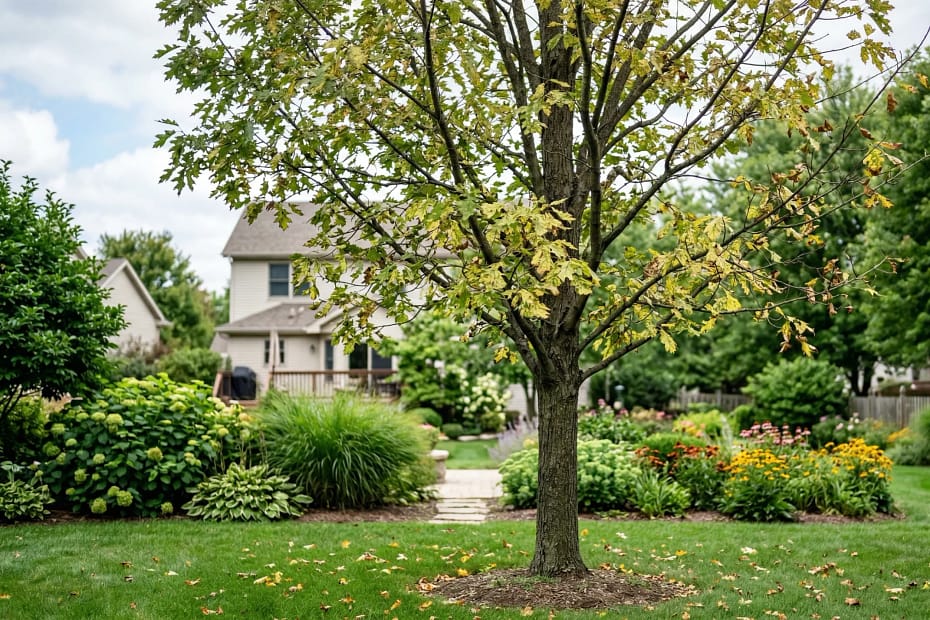
Signs Your Trees Need Nutritional Support
Trees in your yard can look strong from a distance, but even the healthiest ones sometimes need a helping hand to stay that way. Knowing when your trees are calling out for a little extra nutritional support can make a world of difference for their health, growth, and the way your landscape looks year after year. I’m going to share the key signals that your trees could use some nutritional TLC, why it matters, and offer practical advice so you feel prepared to help your trees thrive.
Why Nutritional Health Matters for Trees
Trees depend on more than water and sunlight to stay healthy. They pull nutrients like nitrogen, phosphorus, potassium, and iron from the soil, which power everything from leaf growth to fighting off disease. If one or more of these essential nutrients are in short supply, trees often start sending out little distress signals. Picking up on these early helps prevent long-term struggles with pests, disease, or even premature decline.
I’ve seen trees that bounce back quickly after getting the right nutrients. Others, left too long without those building blocks, struggle to recover. Catching these early signs keeps small issues from becoming bigger headaches later on.
Common Signs Your Trees Need Nutritional Support
Trees often show their nutrient needs in ways that are pretty easy to spot if you know what to look for. Here are some of the most common symptoms I notice while checking out different yards:
- Pale or Yellowing Leaves: Instead of being a lush green, the leaves on your tree may look faded, yellow, or even have white streaks. This could mean the tree isn’t getting enough nitrogen or iron.
- Poor Growth: If your tree’s new branches and leaves are smaller than usual, or growth seems to have stalled, it might not be getting the nutrients it needs from the soil.
- Early Leaf Drop: Some trees drop leaves earlier in the season when nutrients are low. You might see lots of leaves on the ground while neighboring trees are still full.
- Weak Branches: If branches snap off too easily, or you find lots of small, dead twigs, it could be the tree isn’t strong enough due to a nutrient shortage.
- Leaf Spots or Odd Coloring: Along with yellowing, sometimes you’ll spot irregular brown spots, purplish streaks, or unusual leaf marbling when a tree’s not getting enough minerals.
- Thinning Canopy: Your tree’s canopy, the part full of branches and leaves, should be thick and robust. If you can see more sky than usual through the leaves, that’s a sign it needs some support.
Spotting two or more of these issues on the same tree is a clear signal to take action. Some trees are more dramatic with their symptoms, others are subtler, so staying sharp with regular checks helps.
Main Nutrients Trees Need (and What Happens When They’re Missing)
Trees, like people, need a balanced “diet” to stay vibrant. Here are the most important nutrients and what low levels look like in your yard:
- Nitrogen: This one drives leaf and stem growth. You’ll usually notice a nitrogen problem if leaves are pale, yellow, or if new shoots are short and thin.
- Phosphorus: Phosphorus supports strong roots and flowering. Trees short on phosphorus may show purplish leaves or weak root development, which can be hard to spot without digging.
- Potassium: Potassium keeps trees hardy and helps control water inside the plant. Leaves might have scorched edges or show brown spots if potassium is low.
- Iron: Iron is crucial for making green chlorophyll. If the leaves are yellow with green veins (known as chlorosis), that’s often the classic sign of an iron shortage.
- Magnesium: A magnesium shortage usually appears as yellowing between the veins of older leaves, especially in maples and other ornamental trees. This mineral is key for producing energy inside the plant.
If you notice any of these symptoms, it’s smart to check the soil or have a chat with a local arborist to track down a more detailed answer.
Practical Steps for Diagnosing Tree Nutrient Problems
Once you suspect your tree is missing something, here are the steps I suggest to get to the bottom of things:
- Check the Whole Scene: Sometimes, what seems like a nutrient problem is actually caused by compacted soil, root damage, drought, or too much water. Watch out for signs of pests, disease, or recent construction work near your trees.
- Do a Soil Test: Soil tests are one of the best ways to figure out exactly what’s going on underground. These tests measure the main nutrient levels and let you know what (if anything) needs to be tweaked.
- Compare with Nearby Trees: If just one tree is struggling but others nearby look healthy, that’s a clue. Differences in species, drainage, and sunlight all affect how well trees can use nutrients.
Doing a little detective work before pulling out the fertilizer can save time, money, and help your trees bounce back faster.
How to Support Your Tree’s Nutrition (Easy Fixes First)
Once you know your tree needs a boost, here are some tips that have worked well for me and other tree enthusiasts who want straightforward solutions:
- Mulch Wisely: A two to three inch layer of organic mulch (wood chips or shredded leaves) around the base keeps soil cooler, locks in moisture, and slowly gives a boost of nutrients as it breaks down. Keep mulch a few inches away from the trunk to avoid rot.
- Water Deeply but Infrequently: Healthy roots need both air and water. Deep, occasional watering works better than a little every day, helping roots reach down where the good stuff is.
- Use Treefriendly Fertilizer: Pick a slow release fertilizer made for trees. Apply it at the root zone following the bag’s directions—usually once or twice a year. If your soil test shows only one nutrient is needed, stick with that instead of a general blend.
- Plant with a Game Plan: Choose trees that naturally suit your climate and soil type. Native trees handle local conditions better and usually require fewer interventions in the long run.
- Avoid Extra Stress: Don’t mound up mulch against the trunk or compact the ground by driving or building on top of roots. Both practices make it harder for roots to get to air and nutrients.
These simple steps give your trees a solid start; they’ll keep growing strong with just a little ongoing attention.
Problems That Can Make Tree Nutrient Deficiencies Worse
Even with good care, trees sometimes struggle because of factors outside your immediate control. Here are a few big issues that can mess up tree nutrition:
- Poor Soil Texture: Heavy clay or super sandy soils might keep nutrients out of reach or let them wash away way too fast.
- Root Competition: Grass, shrubs, and nearby trees compete for the same resources underground.
- Pollution in the Environment: Road salt, runoff from construction, and chemical spills can poison roots or tie up nutrients so trees can’t use them well.
- Recent Digging or Soil Disturbance: Digging near a tree can damage roots and quickly limit how well they work—even if you can’t spot the damage right away from the surface.
If you think any of these circumstances might be happening, give your tree extra attention or look at changing up your mulch and fertilizer to help it recover.

Tree Nutrition FAQs
Here’s what folks tend to ask me most about tree nutrition:
Question: How often should I fertilize my trees?
Answer: For most trees, once every year or two in early spring or fall is enough. Giving too much fertilizer is more of a problem than not giving enough, most of the time.
Question: Can I use lawn fertilizer for trees?
Answer: Lawn fertilizers are usually too high in nitrogen for trees and can trigger too much quick growth, leading to weak branches. Choose a treefriendly fertilizer for safer, better results.
Question: My tree’s leaves are yellow, but I make sure to water regularly. Why is this happening?
Answer: Yellow leaves can mean there’s too much water, compacted roots, or a lack of nutrients like iron or nitrogen. Looking closely at the soil and root health should help you sort out the real reason.
Takeaway Tips for Tree Owners
Trees don’t ask for much, but staying sharp to their signals keeps them looking next-level cool and healthy for years. Make it a habit to walk your yard and check for any color changes, shrinking leaf sizes, or a thinning canopy so you can jump on nutrition issues early. If you’re unsure, a quick soil test or a chat with an arborist can offer peace of mind. Healthy, well-fed trees add shade, filter the air, and create a landscape you’ll enjoy every season—a reward for just keeping an eye out and giving a little extra care when needed.
Botanicus Plus an AI PLUGIN for starters and experts
Botnicus Plus boasts an array of new features, enhancing its global appeal and user interaction. These include: 1) Multilingual Support for accessibility in various languages. 2) Virtual Tours of famous botanical gardens and historical plant sites. 3) A Botanical Identification Tool for users to upload and identify plants. 4) Seasonal Guides and Tips tailored to local climates and regions. 5) Opportunities for users to engage in Collaborative Projects and Citizen Science Initiatives. 6) Advice on Sustainable Gardening Practices. 7) Interactive Q&A Sessions with botany experts. 8) Personalized Plant Care Reminders for gardeners. These features enrich Botnicus Plus’s mission to provide comprehensive, interactive, and culturally rich botanical education, fostering a deeper connection with the natural world.
Botanicus-plus Plugin
Enjoy!👒
Invest in your future
Take time to learn
Begin your path in affiliate marketing and website building with a supportive community and me. Commit time to learning and earning as an investment in your future. Use whatever time you require to master the fundamentals before pursuing greater goals. Try it and register for free. You will not regret it—explore the potential yourself…And create your own with help of AI tools and agents