

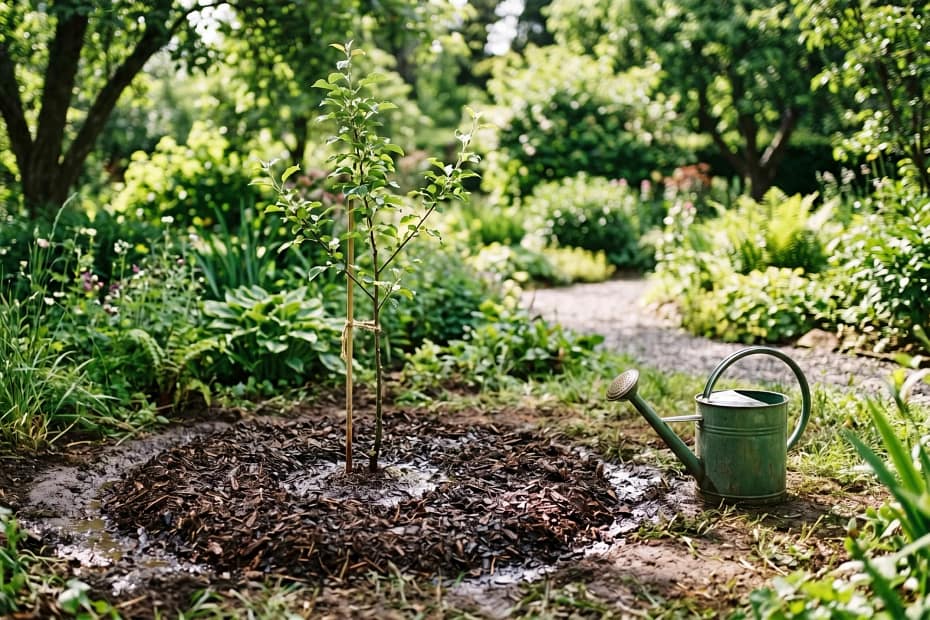
Tips For Watering Young Trees Effectively
Watering young trees can look pretty simple, but a few small tweaks make a major difference for healthy root growth and steady progress above ground. Trees do a lot of growing in their first years, so getting the watering right helps set them up for long-term strength and resilience. I’ve seen more than a few saplings struggle just from being watered at the wrong time, or not enough when they really need it. Sharing my own successes and hiccups, here’s my all-in-one guide to watering young trees so you can help fresh plantings thrive at your place.
Why Watering Young Trees Matters
Young trees have small developing root systems and can’t reach water deep underground the way mature trees do. This makes them a lot more dependent on you, especially during the first two or three years after planting. Consistent care during these years encourages roots to spread deeper and wider, which gives the tree way more stability and access to moisture as it gets older. Dry spells, windy days, and heat waves can put real stress on baby trees, so smart watering helps avoid setbacks and broken branches.
The reality is, most tree losses in the first year tie back to watering troubles. Either it’s too much (which can rot roots) or not enough (leading to wilting and slow growth). Understanding the basics gives you the upper hand from the beginning.
How Much Water Do Young Trees Need?
Newly planted trees are thirsty, but there’s no magic “one size fits all” rule. On average, a young tree planted within the last year needs about 10 to 15 gallons (roughly 38 to 57 liters) of water each week spread out over a couple sessions. Mediumsized bare root or ball-and-burlap trees may need a bit more. An easy rule I use: Start with 1 to 1.5 gallons (4 to 6 liters) of water per inch of trunk diameter. For example, a tree with a 2-inch trunk gets about 2 to 3 gallons per watering session.
- Frequency: Water deeply every 3-5 days during the first month post-planting, then every 5-10 days for the rest of the first growing season (adjust for rainfall and hot weather).
- Technique: Slow, deep soaking is better than frequent sprinkling. The goal is to saturate the root ball and encourage roots to spread out into surrounding soil.
Relying only on rain is risky since most storms don’t deliver the consistent moisture that young roots need, especially in warmer climates.
Smart Watering Techniques
- Water at the Drip Line: The drip line is the imaginary circle below the outer reach of the branches. Soaking the soil here ensures roots reach out for water rather than sticking close to the trunk.
- Make a Water Basin: I usually build a small berm, or donut-shaped ring, about two feet from the trunk. Fill this basin with water and allow it to seep down slowly, letting the soil absorb it instead of runoff.
- Go Slow: Fast watering causes runoff and wastes water. Use a trickling hose, drip irrigation, or even a five-gallon bucket with small drilled holes. Let the water sit and soak in, which encourages deep root growth.
- Water Early or Late: Morning or evening watering helps more water soak into the soil, and you lose less to evaporation.
I’ve found that mulching around the base—about a 2 to 4-inch layer, but never touching the trunk—keeps soil cool and moist much longer. That means less frequent watering is needed. Mulching also helps with weed suppression and temperature regulation, both of which are vital for healthy young trees.
Challenges and Solutions? Common Tree Watering Problems
- Overwatering: Roots need air as well as water. If the soil stays soggy, roots can rot pretty quickly. Look for yellowed leaves, mushy roots, or a foul smell. If you spot these, allow soil to dry out before watering again and check that your soil drains properly.
- Underwatering: Wilting, browning edges, or dry, crunchy leaves show the soil is too dry. Stick your finger 2-3 inches deep. If it’s dry, it’s time to water.
- Poor Drainage: Heavy clay soils don’t drain as quickly as sandy ones. Planting trees a little higher, mixing in organic matter, or installing drainage can really help in these cases.
Check Soil Moisture
A super simple way to track soil moisture is to take a small garden trowel and scoop soil from under the mulch. If it’s damp a few inches down (not just wet on top), you’re probably watering just right. There are also moisture meters you can use for extra accuracy, but good old-fashioned hand checks do the trick for most folks. Keeping an eye out for soil moisture helps reduce guesswork and keeps trees thriving.
Seasonal Tweaks
Spring and fall are usually easier since weather is milder. In summer, increase watering frequency, especially during long dry spells, heat waves, or if your young tree’s species is known for needing a little extra care. During winter, you can back off as trees go dormant, but an occasional deep soak before hard freezes (especially in dry climates) can keep roots healthy heading into spring. Adjusting your method to the season is key in keeping trees on the right track year-round.
Tips for Different Types of Young Trees
Different tree types sometimes have slightly different water needs. Here’s what’s come in handy for me:
- Evergreens: These hold their leaves or needles year-round and actually lose water all winter. Make sure they get a long, deep drink before the ground freezes.
- Fruit Trees: Usually need a bit more attention, especially right after planting and while fruit is forming. This extra care helps yield better harvests and boost overall tree health.
- Flowering Ornamentals: Because these are often bred for blooms, keeping soil consistently moist (but not soggy) helps with both flowers and leaf health. Blossom-heavy ornamentals can also be more sensitive to drought.
Check the specific needs for your tree species. If you’re not sure, local garden centers or cooperative extension offices usually have super helpful guides for native and popular landscape trees in your area. Doing a bit of research up front goes a long way in creating a thriving landscape.
Handy Tools and Accessories for Watering
- Soaker Hoses and Drip Irrigation: These tools deliver water straight to the root zone slowly, which saves time and water. I use these for several trees at once and just set a timer.
- Water Bags: Those slow-release watering bags you see zipped around tree trunks in parks and new landscapes aren’t just for cities, either. Grab a couple for your own trees if you travel or forget to water. Fill them up, and they slowly release water over 4-8 hours.
- Mulch: Even an inch or two helps, but keep mulch about 3 inches away from the trunk to avoid rot and pest issues.
A basic watering can works too, as long as you pour slowly and evenly around the drip line. If you reuse buckets, make sure they’re clean and haven’t held chemicals. Tools like soil moisture meters and rain gauges can give you extra info about when it’s time to water, or when you can skip a session.

Frequently Asked Questions About Watering Young Trees
How long should I keep watering a new tree after planting?
Most young trees need dedicated watering for at least the first two to three years. After that, trees often develop resilient, deeper roots if planted in suitable soil and local conditions are mild.
Can I water my young tree with a lawn sprinkler?
Lawn sprinklers usually don’t provide enough targeted water for tree roots. Much of the water ends up on the grass. Hand watering, soaker hoses, or drip systems are much more effective for soaking the tree’s root zone directly.
What time of day is best for watering young trees?
Early morning or in the evening is best to reduce evaporation and give roots plenty of time to soak up the moisture.
Should I water newly planted trees in winter?
Yes, but much less often. As long as the ground isn’t frozen, an occasional deep watering during dry winter spells will help roots stay hydrated. Keeping your watering on track, even in winter, can prevent root shock and improve springtime growth.
Extra Advice for Young Tree Care Success
Keep an eye out for compacted soil, which can block water from getting to the roots. If water pools or runs off quickly, you may need to loosen the soil around your tree. Staking the tree for the first year helps too, but don’t make it too tight; roots need to anchor naturally.
Observing your tree is really important. Check leaves for signs of water stress and adjust your schedule as needed, since no single calendar works for every tree or climate. Consistent but flexible care gives young trees a healthy head start and pays off with strong, happy shade, fruit, or ornamental trees down the road. By staying attentive and making watering a regular part of your routine, you set the stage for growth, beauty, and resilience for years to come.
basic gardening tools on Amazon
Botanicus Plus a GPT for starters and experts
Botnicus Plus boasts an array of new features, enhancing its global appeal and user interaction. These include: 1) Multilingual Support for accessibility in various languages. 2) Virtual Tours of famous botanical gardens and historical plant sites. 3) A Botanical Identification Tool for users to upload and identify plants. 4) Seasonal Guides and Tips tailored to local climates and regions. 5) Opportunities for users to engage in Collaborative Projects and Citizen Science Initiatives. 6) Advice on Sustainable Gardening Practices. 7) Interactive Q&A Sessions with botany experts. 8) Personalized Plant Care Reminders for gardeners. These features enrich Botnicus Plus’s mission to provide comprehensive, interactive, and culturally rich botanical education, fostering a deeper connection with the natural world.
Enjoy!👒
8
Invest in your future
Take time to learn

Embark on your journey in affiliate marketing and website creation alongside an incredible community and myself. Invest in your future by dedicating time to learn and earn. Take all the time you need to master the basics before aiming higher. Give it a try and sign up for free. You won't regret it! Discover the possibilities for yourself...