


Ai-driven Tree Maintenance Solutions
AI-driven tree maintenance solutions are reshaping how cities, arborists, and property owners handle the age-old challenge of keeping trees healthy and safe. From early detection of diseases to proactive pruning recommendations, AI is making tree care smarter, faster, and way more efficient. If you’re curious about how artificial intelligence is already helping maintain our urban forests and home landscapes, I’m breaking down everything you need to know—including how it all works, the practical benefits, tips for integrating AI tools, and things to look for before using these services yourself.
AI and Tree Maintenance? What’s Changing?
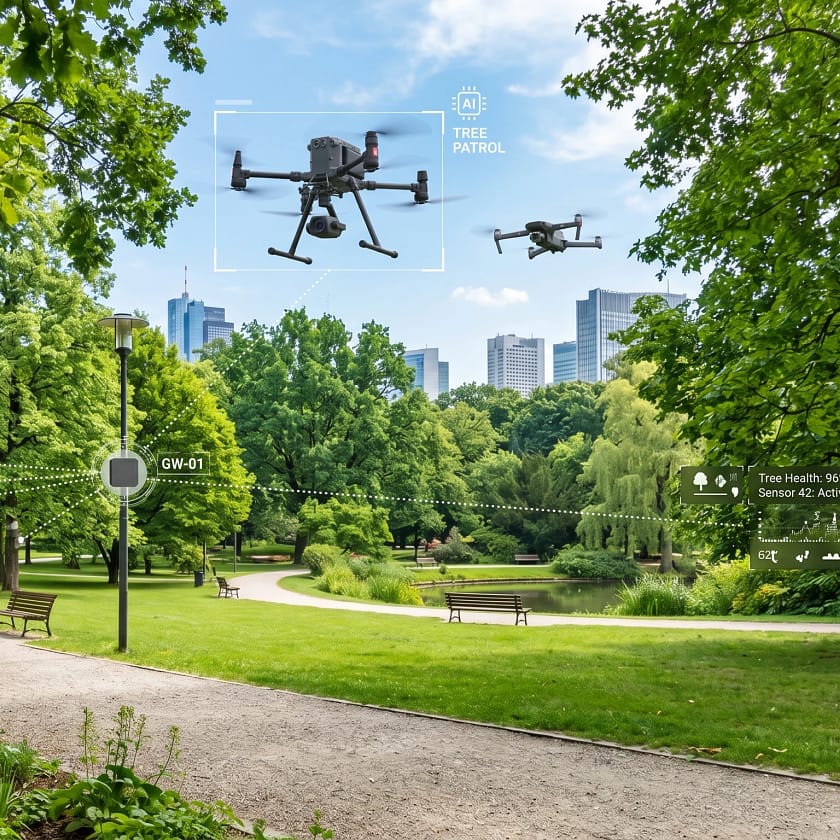
AI has become a powerful tool in just about every corner of our lives, including how we care for trees. Smart sensors, machine learning algorithms, drones, and even computer vision are now part of the standard toolkit for tree professionals and urban planners. This isn’t limited to large cities; home and property owners are also starting to see more AI-driven tools pop up in landscaping platforms and mobile apps. These solutions help spot potential issues early, prioritize which trees to care for, and even help with inventory and urban planning. Basically, AI is turning traditional tree maintenance into a more data-driven and proactive process.
With more of our population living in cities than ever before, urban forestry is crucial for community well-being. Trees provide shade that cools our sidewalks, serve as habitats for wildlife, and are stellar at improving air quality. But keeping trees in good shape is no walk in the park—especially as budgets get tighter and time is short. That’s where AI swoops in to make things smoother. AI helps with risk assessments, prioritizes tree care actions, and even assists in cleanup after storms, making city forestry management far less reactionary and more organized.
Get Started or How AI-Driven Tree Maintenance Works
The main idea behind AI-driven tree care is collecting a ton of useful information and having algorithms analyze data and suggest actions. This takes much of the guesswork out of tree health management. Here are some key technologies and terms you’ll probably hear about:
- Remote Sensing: Using satellite images, drone footage, or groundbased sensors to monitor tree health, even in hard-to-reach spots.
- Machine Learning Models: AI “learns” from many tree health records, picking up early signs of disease, pest problems, or stress before you’d normally spot them.
- Automated Risk Assessment: Algorithms figure out which trees might pose a danger to people or property, so teams can focus on urgent work first.
- Predictive Analytics: AI estimates when a tree will need care, helping you plan pruning or fertilization for top-notch results.
These advances build a safety net for preventative care. Rather than just reacting to broken branches or sick trees, smart software sends notifications to property owners and city managers about trouble long before serious problems set in. For example, systems can now flag canopy thinning or subtle leaf discoloration before a human notice, making early intervention possible.
Step-by-Step? Use AI for Tree Maintenance
If you’re thinking about adding AI-driven tools to your tree management routine, here’s a practical way to approach it:
- Start with Assessment: Use an app, drone, or smart sensor to scan trees and collect baseline health data.
- Review the Analytics: AI tools process your data and pick up early signs of stress, disease, pests, or structural issues.
- Receive Actionable Reports: Get handy feedback, such as “this tree needs pruning next month” or “early signs of fungal infection found.”
- Plan Interventions: Use these suggestions to schedule the right action (like targeted pruning, soil care, or pest treatments) at the right time.
- Monitor Progress: Keep checking tree health and tweak schedules as things change to ensure your trees stay in top shape.
This process works for everyone—from massive parks departments with thousands of trees to homeowners who simply want some hands-off monitoring. Adding just a few AI tools can really give your process a boost, especially when teamed with regular professional inspections. These streamlined workflows have made it easier for arborists, property managers, and even DIY gardeners to keep up with seasonal changes, treat disease outbreaks, and prioritize tasks with confidence.
What to Know Before You Get Into AI Tree Care
Not every AI platform is built for every environment. You’ll want to weigh the pros and cons based on your location, budget, and needs. Here’s what to keep in mind:
- Data Accuracy: The system’s advice is only as good as the data you feed it. Drones often see much more than the naked eye, but blurry sensors or inconsistent scans can confuse even the best AI.
- Costs and Upkeep: While some scanning apps are free or low-cost, advanced platforms using drones or connected sensors can run up higher initial costs or need yearly subscriptions. Sometimes you’ll need to update equipment to keep results sharp.
- Integration: Not all systems plug straight into your city’s GIS or your favorite digital tools. Ensure your chosen solution fits your existing workflow or allows easy upgrades later.
- Privacy and Security: Capturing images around your property means collecting more data than you might think. Make sure you know the privacy policies and how your info will be stored or shared, especially for public or residential areas.
Data Accuracy and Quality
AI systems work best with clear, high-quality data. Issues like unclear photos, inconsistent scan angles, or hidden tree parts can throw off diagnoses. When using drones, make sure you cover the whole canopy and the trunk, including the root collar if possible. Regularly check and fine-tune sensors to avoid misleading health reports.
Costs and Upkeep
AI tools speed things up and cut long-term costs, but there’s usually some upfront investment, especially for gadgets like sensors or drones. Some services have monthly fees for analytics or extra health detail. Weigh these costs against manual inspections and don’t hesitate to ask vendors for free trials—testing different platforms and features can help you make the right call.
Integration and Compatibility
Pick solutions that mesh well with your current operations. Certain apps sync right up with asset tracking software or automated irrigation systems, saving you the hassle of manual entry. For deep analytics, the ability to export custom reports (like spreadsheets or formatted PDFs) is a big plus. Always double-check compatibility before you commit.
Privacy and Security
Your data could include views of streets, GPS data from your yard, or other sensitive bits. The best platforms lay out how information is stored and who can get in. If privacy matters for your business or neighborhood, focus on programs that let you keep info local or offer clear privacy choices.
Smart planning, realistic budgeting, and weighing the trade-offs make getting into AI a smoother ride. Once you handle these four major points, using advanced tools can save stress and resources as you plan tree care for months or years to come.
Pro Tips for AI-Powered Tree Care
Once you’ve nailed the basics, using AI to its fullest can truly take your results up a notch. Here are some tips gathered from industry pros and real field experience to help you make AI work even better:
Mix Human and AI Insights: AI spots patterns, but nothing matches the sharp instincts of a skilled arborist for oddball cases or big jobs. Use both together for the best outcomes.
Automate Routine Monitoring: Set up automatic scans or monthly summary reports to catch new problems and save yourself from time-draining manual walks.
Stay Ahead with Preventive Care: Predictive alerts help you plan needed work before damage snowballs—think preventing hazardous limbs from falling or roots busting up nearby sidewalks.
Share Results Widely: In neighborhoods or city parks, easy-to-read reports boost transparency and help justify the investment to committees or residents. This can increase buy-in and funding for future projects as everyone sees the value in proactive tree care.
These steps ensure you spot issues quickly, target your budget where it counts, and keep every tree—big or small—in great shape.
Common Questions About AI Tree Maintenance
If you’re just getting started, you may wonder about the practical side. Here are some top questions people ask:
Question: Do I need special equipment to start using AI for tree care?
Answer: Not always. Some platforms work just fine with a smartphone or drone you already own. For really detailed work, specialized sensors or upgraded cameras may be needed.
Question: How quickly can AI detect issues in my trees?
Answer: Many problems, like early disease or canopy stress, can be spotted in real time if you’ve set up automated sensors or have current satellite data. Drone scans or app routines typically return insights within hours.
Question: Are these tools just for big organizations?
Answer: No chance. While big cities use AI for their tree inventories, smaller communities, HOAs, homeowners, and even golf courses increasingly track down the same benefits as tech gets more affordable and userfriendly.
Why AI Matters for Tree Maintenance
AI tools aren’t just luxuries—they make keeping trees in shape way more approachable, efficient, and reliable. As technology keeps moving forward, get ready to see even more features, like advanced root health details or smarter climate forecasts linked right into your tree dashboard.
Jumping in now gets you set for whatever the future brings, whether you are responsible for a city’s canopy or simply want your backyard trees to flourish with less headache. With a mix of ongoing monitoring, proactive care advice, and a good handle on both traditional and digital tools, you can get the full benefits of healthy trees—no matter your setting.
Botanicus Plus an AI PLUGIN for starters and experts
Botnicus Plus boasts an array of new features, enhancing its global appeal and user interaction. These include: 1) Multilingual Support for accessibility in various languages. 2) Virtual Tours of famous botanical gardens and historical plant sites. 3) A Botanical Identification Tool for users to upload and identify plants. 4) Seasonal Guides and Tips tailored to local climates and regions. 5) Opportunities for users to engage in Collaborative Projects and Citizen Science Initiatives. 6) Advice on Sustainable Gardening Practices. 7) Interactive Q&A Sessions with botany experts. 8) Personalized Plant Care Reminders for gardeners. These features enrich Botnicus Plus’s mission to provide comprehensive, interactive, and culturally rich botanical education, fostering a deeper connection with the natural world.
Botanicus-plus Plugin
Enjoy!👒
Invest in your future
Take time to learn
Begin your path in affiliate marketing and website building with a supportive community and me. Commit time to learning and earning as an investment in your future. Use whatever time you require to master the fundamentals before pursuing greater goals. Try it and register for free. You will not regret it—explore the potential yourself…And create your own with help of AI tools and agents