

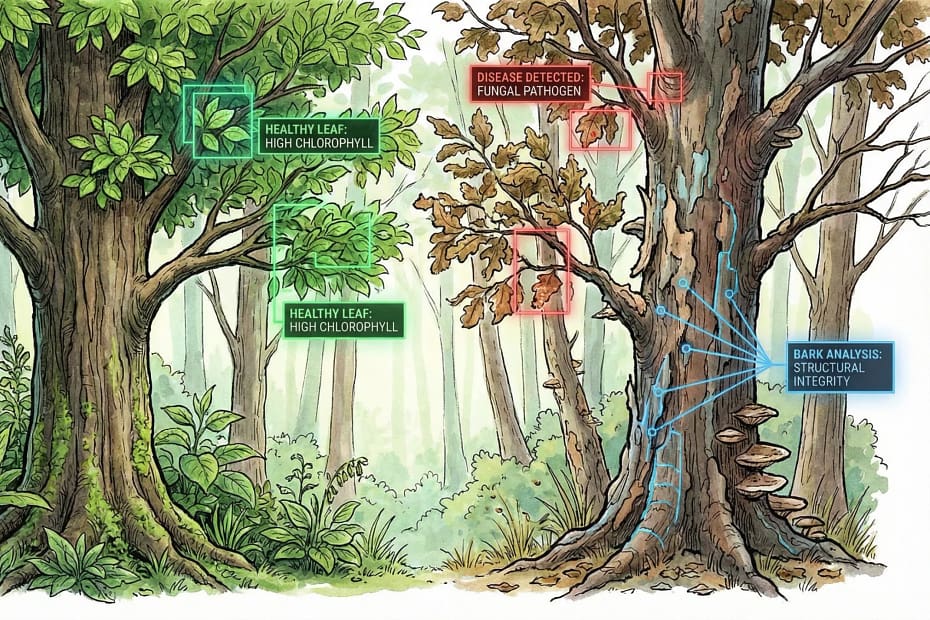
Tree disease poses a real challenge for anyone managing parks, forests, or even a backyard with a couple of cherished trees. Over the past few years, I’ve watched technology become a much more helpful tool for diagnosing plant health issues, and artificial intelligence (AI) is making a big difference in how quickly and accurately we spot problems. In this article, I’ll break down how AI is making tree disease diagnostics easier, faster, and more reliable. Whether you simply care for your garden or manage a larger urban forest, there’s a lot to gain from these new tools.
Understand AI-Powered Tree Disease Diagnostics
Interest in diagnosing tree diseases more efficiently has risen in recent years. Tree health is really important to urban planning, agriculture, and environmental sustainability. The spread of pests and pathogens can impact everything from city parks to fruit orchards, resulting in financial losses and long-term ecological effects.
Nearly everyone is familiar with the traditional way of spotting tree diseases: you walk around, look for symptoms like wilting leaves or odd bark, and maybe snap a photo to send to an expert. Now, AI can help automate and speed up much of this work. With the help of smartphone apps, remote sensors, and advanced imaging, I’ve seen how AI analyzes symptoms and even predicts which trees might be affected next. This kind of forward-looking insight can make a real difference, especially in large settings like city parks or orchards.
AI’s ability to learn patterns from huge stacks of data is what makes it so well-suited here. Systems trained on thousands of plant images can now pick up subtle changes in leaves and bark that might escape the human eye. This means problems can get noticed early, before they have a chance to spread or cause real damage.
Basic Steps to Diagnosing Tree Disease with AI
Jumping into AI-based tree diagnostics isn’t as difficult as it might sound. Here’s how the process usually works, based on my own experience and the tools available now:
- Collect Images or Data: Start by snapping detailed photos of leaves, bark, or branches using your phone, a drone, or even specialized sensors designed for plant health.
- Upload Data to an AI-Driven App or Platform: Choose an app with automated plant diagnostics, then upload your images or sensor readings. Some platforms allow you to scan barcodes on trees for easier tracking and record-keeping.
- AI Analysis: The software runs your images through a huge database, checking for signs of common diseases and pests. The AI sorts through these factors quickly, often providing near-instant feedback.
- Diagnosis and Recommendations: You get a probable diagnosis and, in many cases, straightforward suggestions for treatment or further inspection. The advice can include at-home remedies or prompts to seek out expert assistance.
- Monitor and Track: Many systems allow you to check in on your trees over time. You can see if your tree recovers, needs more help, or might even be at risk of infection in the future, helping you take action sooner.
What to Know Before Using AI for Tree Disease Detection
While AI technology brings many benefits, there are a few things I’ve learned from hands-on use:
- Data Quality: AI is only as reliable as the pictures or sensor readings you feed into it. Go for clear, well-lit photos and avoid shots that are blurry or busy with background clutter. Good quality input gives better, more accurate results.
- Cultural and Environmental Context: Diseases tend to show up in predictable patterns depending on the location, climate, and tree species involved. Tools that let you enter this info will usually produce more accurate answers—so put in the extra details.
- False Positives and Negatives: AI may sometimes spot a disease that isn’t actually there, or miss early-stage symptoms. Always follow up with an expert if something seems unusual or if the fit doesn’t match your tree’s situation.
- Privacy and Data Use: Uploading images to third-party platforms can sometimes mean your data is stored or used to improve the app. It’s always smart to check how each app handles your photos and sensor information, especially if you’re sharing images of valuable or unique specimens.
Data Quality Makes a Difference
From my experience with several plant-focused apps, I know firsthand that good images lead to better results. For example, photos taken in harsh sunlight or in weak early morning light might fail to reveal the kinds of details crucial for proper diagnosis. Low lighting conditions can also produce images that AI struggles to process. For the best results, shoot your photos in soft daylight and make sure the tree part you’re concerned with is clearly centered in the photo, without distractions. This simple step can be the difference between a clear diagnosis and a confusing one.
Environmental Context Matters
Trees respond to stress in different ways depending on their growing environment. The same disease may look different in two climates or even between different tree varieties. That’s why AI platforms that let you specify the species, exact location, sun and wind exposure, or recent weather events deliver better, more tailored diagnoses. If these options aren’t available, the results may be less accurate for your specific trees.
When to Check with an Expert
AI is a great tool for catching problems early, but nothing beats talking to an experienced arborist or plant pathologist when things seem off or especially severe. If you spot an issue on your maple or oak that the AI can’t figure out, or the trouble seems to be spreading quickly, don’t wait—reach out to a local expert. I’ve done this dozens of times, and it’s often the best way to save a special or mature tree.
How AI Platforms for Tree Disease Work
The most popular AI platforms generally offer a combination of the following features, which make the diagnostic process a lot more userfriendly and accurate:
- Visual Recognition: Machine learning models quickly spot patterns like leaf spots, bark lesions, insect holes, or other visible damage.
- Remote Sensing: Some tools can connect with drones or satellite imagery, which is useful for keeping an eye on larger forests or sprawling orchards. That way you pick up disease outbreaks early, even before they’re visible at ground level.
- Historical Tracking: Building a digital health timeline for each tree lets you track changes and supports better seasonal planning. It’s a great way to support proactive care and spot recurring issues.
- Automated Alerts: AI tools can ping your phone or email when a risk of infection or outbreak is detected, which is a lifesaver for caretakers of big properties or multiple city zones.
Benefits for Gardeners and Everyday Users
Modern AI technology puts advanced diagnostics within easy reach for regular folks. You don’t need to be a tree expert; just snap a picture and let the app do its work. For instance, I’ve helped a neighbor by simply uploading an image of a fruit tree leaf and receiving action-ready feedback, including simple treatments to try first at home. Even kids and seniors find these userfriendly interfaces a breeze after a quick walkthrough.
Advanced Tips to Level Up Your AI Tree Diagnosis
Once you’re comfortable with AI-driven diagnostics, a few habits can keep your trees even healthier and help you spot issues before they get serious.
Keep Up With Updates: AI-powered apps refresh their databases often. Staying up to date makes sure your images get checked against the latest known plant problems and local outbreaks, greatly improving detection accuracy.
Tie in with Local Expert Networks: Some apps are teamed up with universities or plant clinics. Whenever the AI hits a wall, these networks allow you to get a second look from specialists—an invaluable backup for those oddball cases or unknown pests.
Take Photos from Different Angles: Shoot from above, below, and all around—getting multiple perspectives helps the AI pick up faint or hidden symptoms that could otherwise stay out of sight. Don’t forget shots of both leaves and trunk.
Track Over Time: Make a habit of uploading fresh pictures every few weeks during risky seasons. Not only do you build a health timeline for your tree, but you’ll also catch changes as soon as they happen, which can keep problems manageable.
Real-World Uses and Observations
Tree disease diagnostics powered by AI are already supporting a wide range of practical uses:
- Urban Forest Management: Quicker, automated scans help caretakers oversee city trees and parks, catching trouble before it spreads far. This means healthier trees citywide and more efficient use of resources.
- Agricultural Health: Orchard managers set up ongoing checks to nip diseases in the bud, ultimately saving money and preserving valuable crops by catching trouble before the damage is widespread.
- Conservation Projects: AI assists field teams working to control invasive pests and support the survival of threatened species. Earlier spot checks let conservationists act sooner and smarter.
I’ve noticed a real difference in these sectors. For example, city landscaping crews often send drones out for quick tree-check routines. Meanwhile, farmers keep their fruit orchards protected from blight by getting early alerts, and conservationists use these tools for early warnings on rare trees.

Frequently Asked Questions
Here are a few common questions that come up when folks first try out AI-powered tree disease diagnosis:
Question: Can AI apps diagnose any disease my tree has?
Answer: AI apps work best for common and well-documented diseases. If you find unusual symptoms or don’t get a clear answer, reach out to a local specialist for personalized advice or further testing.
Question: Will AI-based tree diagnostics replace arborists or plant pathologists?
Answer: No—the AI tools support pros and homeowners but can’t take the place of experienced specialists, especially for rare cases or unusual outbreaks. Expert advice is still essential in many situations.
Question: Are there privacy risks in uploading tree images?
Answer: Policies vary from app to app. In general, images could be stored for future model improvements. Always check the privacy policy to know what happens with your uploads.
Get Started with AI Diagnostics for Your Trees
Using AI for tree disease diagnostics can step up anyone’s ability to stay a step ahead of big problems in their garden, neighborhood, or orchard. Snapping a photo and uploading it for analysis is now a breeze, and getting feedback is faster than ever. Just remember to pick reliable tools, pay attention to quality and environmental details, and check in with experts when needed. With technology lending a hand, healthy trees are no longer a mystery, and you’ll spend less time guessing and more time keeping your landscape thriving.
Botanicus Plus an AI PLUGIN for starters and experts
Botnicus Plus boasts an array of new features, enhancing its global appeal and user interaction. These include: 1) Multilingual Support for accessibility in various languages. 2) Virtual Tours of famous botanical gardens and historical plant sites. 3) A Botanical Identification Tool for users to upload and identify plants. 4) Seasonal Guides and Tips tailored to local climates and regions. 5) Opportunities for users to engage in Collaborative Projects and Citizen Science Initiatives. 6) Advice on Sustainable Gardening Practices. 7) Interactive Q&A Sessions with botany experts. 8) Personalized Plant Care Reminders for gardeners. These features enrich Botnicus Plus’s mission to provide comprehensive, interactive, and culturally rich botanical education, fostering a deeper connection with the natural world.
Botanicus-plus Plugin
Enjoy!👒
Invest in your future
Take time to learn
Begin your path in affiliate marketing and website building with a supportive community and me. Commit time to learning and earning as an investment in your future. Use whatever time you require to master the fundamentals before pursuing greater goals. Try it and register for free. You will not regret it—explore the potential yourself…And create your own with help of AI tools and agents