
Tree Health Assessment AI Tools
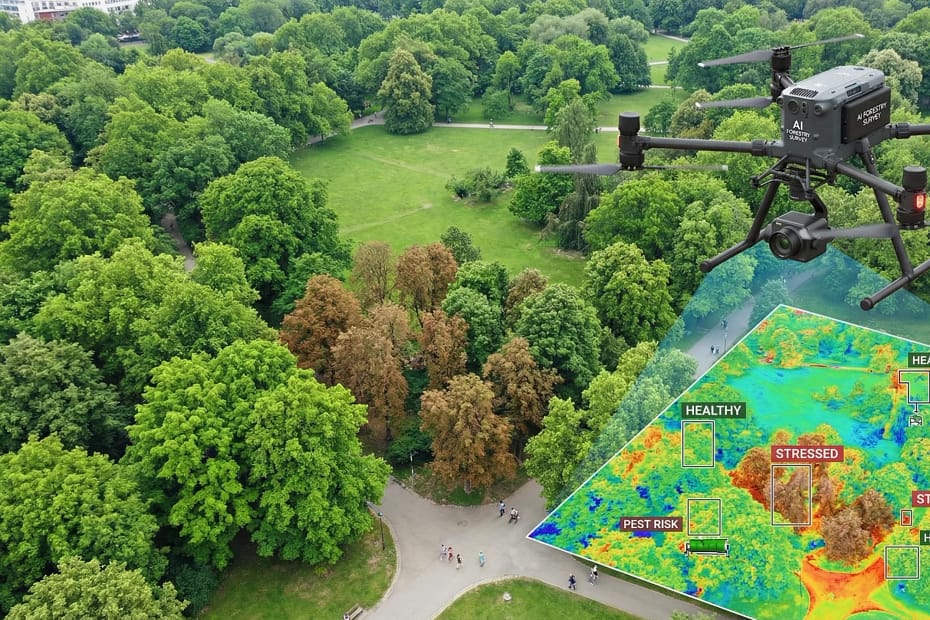
Tree health assessment has progressed from basic visual inspections and manual data entry to using AIpowered tools that open up new ways for experts, landowners, and city planners to spot early issues, keep tabs on tree conditions, and plan care more accurately. In this article, I’ll explain how these tools work, the gear you’ll need, offer tips for effective use, and share practical examples to help you get started with tree health assessment using AI. Time to roll into the essentials.
Why Tree Health Assessment Matters
Trees are essential for clean air, cooler cities, and maintaining biodiversity. The challenge of monitoring the health of countless urban and forest trees is huge if tackled by hand alone. AI tools step in by analyzing images, crunching data rapidly, and helping spot even subtle changes. Early detection of disease or stress can be the tipping point between saving a whole grove or losing it. I’ve seen first-hand how this quick action can transform green spaces.
The demand for tree health monitoring is rising. Cities and organizations are pairing drones, satellites, and ground sensors with AI for allinone analysis. Studies show AI can improve detection of tree problems, guiding better decisions and timely actions. A more detailed look at this can be found in research from the USDA Forest Service (source).
Key Components for Starting With Tree Health Assessment AI Tools
Jumpstarting tree health assessments powered by AI means knowing the primary pieces involved. Here’s an overview of the components most setups require:
- Data Capture Devices: Drones, smartphones, or cameras that gather images of tree canopies, trunks, and sometimes roots.
- AI Software: Applications or cloud services that analyze these images or sensor readings, flagging signs of disease, stress, pests, or poor growth.
- User Interface: A dashboard or app where you check results, set monitoring schedules, and track progress over time.
It’s a smart move to start with a platform compatible with your current gear. Many options provide free demos or entrylevel segments so you can experiment before making a bigger investment.
StepbyStep Guide when you Use Tree Health Assessment AI Tools
Once you get the hang of things, using AI tools for tree monitoring is straightforward. Here’s your action plan:
- Select the Right Tool: Pick an AI platform that works with your drone or camera and processes your preferred data type.
- Gather HighQuality Images or Data: Photograph trees during clear, consistent lighting. Shooting from similar angles each time gives you more precise results.
- Upload Data for Processing: Through the app or web platform, upload images or link sensors so the AI analysis gets rolling.
- Check AI Findings: Examine reports that flag problem areas, changes in color, thinning canopies, or potential signs of disease.
- Act on the Insights: The AI may suggest closer inspection, targeted treatments, or repeat monitoring.
Following these steps lets you watch tree health trends, catch early warning signs, and step up your tree care with more confidence.
Things to Consider Before you Invest in Tree Health AI Tools
AIbased systems have big advantages, but a few practical factors are worth thinking through first:
- Cost and Scalability: Full AI systems can cost a fair bit, especially for big jobs. Opensource tools might help smaller budgets, while commercial platforms typically offer better customer support.
- Image or Sensor Quality: Highquality, sharp data makes all the difference. Fuzzy or lowresolution shots can throw off AI analysis.
- Training and Support: Even userfriendly setups need some learning. Good guides and responsive help can make your launch much smoother.
- Integration With Other Systems: Sometimes, you’ll need your tree data to talk to mapping tools or asset management software. Doublecheck what integrates easily before buying in.
Accuracy and Limitations
Model accuracy stands at the core of successful tree health AI. These systems are trained on huge datasets, but local tree types or rare diseases may not always be represented. I’ve discovered that occasional manual checks are always good, especially when just starting out with a new platform or working in unique locations.
Privacy and Data Security
Many AI apps use cloud servers for analysis, so privacy is worth noting. Different rules apply for public parks versus private land. Confirm your provider’s data protection standards to ensure safer handling. Reading privacy policies before uploading anything is always wise.
Workflow Changes
Switching up your tech might demand routine changes for your teams. Laying out the benefits clearly and providing training helps everyone adjust more smoothly. From my own experience, letting team members test new tools at their own pace eased growing pains and sped up adaptation.
Advanced Tips for Getting the Most From Tree Health AI
After you’re up and running, try these strategies for even better AI assessment:
Set Regular Assessments: Running checks on a set schedule—say, once per season—shows trends and spots early trouble. Routine wins.
Tag Trees Clearly: Good records matching images and sensor data to specific trees pay off later, preventing mixups and improving reports.
Mix Data Types: Combining aerial shots (from drones) with groundlevel closeups lets your AI catch a wider array of problems and patterns.
Adjust Alert Settings: Fine-tune alert thresholds for disease, pest, and stress signals. Customizing this can reduce false alarms or missed warnings. I’ve found this adjustment especially valuable when dealing with less common tree species or monitoring after extreme weather.
Keeping these strategies in mind can make AIpowered tree monitoring more useful—giving you more confidence and sharper insights for everyday forestry or research work.
RealWorld Applications or How AI Tree Health Tools Make an Impact
AI for tree health assessment is already a gamechanger for caretakers and city managers. Consider these real-life applications:
- Urban Tree Inventories: Cities use drones and AI to scan street trees for poststorm decline. This helps speed up response and reduce risks from falling limbs.
- Forest Disease Surveillance: Large landowners and public agencies lean on satellite images and AI to track outbreaks such as oak wilt or emerald ash borer quickly, and intervene before problems get out of hand.
- Campus and Park Management: Universities and parks map individual trees and use ongoing AI assessments to plan maintenance or guide replacement schedules efficiently.
These systems can fit a single backyard or a vast forest—adding AI boosts your ability to monitor and care for trees, keeping them healthier and safer for the long haul.
Frequently Asked Questions About Tree Health Assessment AI
Here are a few common questions about AIbased tree health tools:
What kind of equipment do I need to start?
Most platforms work with standard drones, smartphones, or point-and-shoot cameras. Higher resolution produces better accuracy, but many midrange devices are just fine for most apps.
Do I need high-level tech skills to use these tools?
Most software is designed with clear instructions, handy tutorials, and quickhelp forums. Some patience and a bit of trial and error help, but you don’t need to be a tech wizard.
Will these tools work for all types of trees?
AI does best with familiar local species and diseases, so accuracy shifts by region. Blending AI insights with hands-on checks is a good call.
Can these systems run offline?
Some apps offer offline modes or upload syncs for later, while others depend on internet connectivity to function at their fullest.
Get Started with Practical Advice for New Users
Kicking off your use of AI tree health assessment doesn’t have to feel overwhelming. The best tip: begin small. Pick a park, a city street, or your yard, and carry out a single evaluation with a free or trial AI tool. Take a look at the results, compare them with what you see in person, and decide if scaling up feels worth it.
With growing care for green spaces and increased focus on urban canopy well-being, AIpowered tree health tools bring real benefits to anyone interested in longerliving, sturdier trees. I’ve found the combo of technology and hands-on tree care makes the experience much easier and delivers greater rewards—no matter the scale of your operation.
Botanicus Plus a GPT for starters and experts
Botnicus Plus boasts an array of new features, enhancing its global appeal and user interaction. These include: 1) Multilingual Support for accessibility in various languages. 2) Virtual Tours of famous botanical gardens and historical plant sites. 3) A Botanical Identification Tool for users to upload and identify plants. 4) Seasonal Guides and Tips tailored to local climates and regions. 5) Opportunities for users to engage in Collaborative Projects and Citizen Science Initiatives. 6) Advice on Sustainable Gardening Practices. 7) Interactive Q&A Sessions with botany experts. 8) Personalized Plant Care Reminders for gardeners. These features enrich Botnicus Plus’s mission to provide comprehensive, interactive, and culturally rich botanical education, fostering a deeper connection with the natural world.
Enjoy!👒
Invest in your future
Take time to learn
Embark on your journey in affiliate marketing and website creation alongside an incredible community and myself. Invest in your future by dedicating time to learn and earn. Take all the time you need to master the basics before aiming higher. Give it a try and sign up for free. You won't regret it! Discover the possibilities for yourself...