


Ai Tree Health Monitoring Systems
AI tree health monitoring systems are giving a boost to how we care for trees in cities, orchards, and forests. Good tree health is super important. It isn’t only about making places look eye-catching; it also keeps the environment balanced, protects public safety, and even bumps up property value. AI-powered monitoring makes it much easier for everyone, from city planners to backyard gardeners, to spot problems early, keep trees healthy, and save money in the long run. Let’s jump in and break down how these systems work, why they matter, and what features to check out if you’re thinking about using this smart tech for your own landscape.
Understand AI Tree Health Monitoring Systems
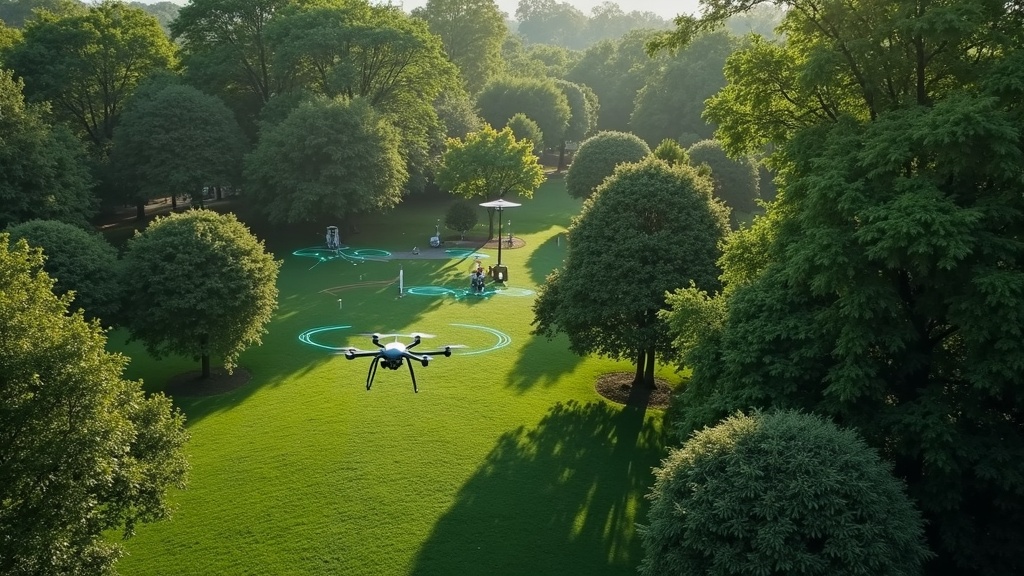
Trees face all sorts of problems—diseases, pests, drought, construction stress, and more—many of these can be tough to spot until the situation gets out of hand. Traditional inspections often rely on walking the site and having an expert eye, which can take a lot of time and still miss early warning signs. AI tree health monitoring systems use sensors, cameras, and machine learning to check up on trees automatically and regularly, so you don’t need a professional on-site every day.
With global urbanization on the rise, keeping up with tree health is getting harder. These monitoring tools help cities stay ahead of tree decline, which can otherwise lead to falling limbs or expensive removals. The agricultural industry is also tapping into this tech—early detection of disease can prevent major crop loss and slash treatment costs. Communities and organizations are setting up smart sensors and cameras in parks and along streets because the data helps with smarter maintenance and planting decisions.
How AI-Powered Monitoring Works
The core of any AI monitoring system is its combo of sensors and algorithms. Sensors such as moisture meters, temperature probes, cameras, and drones keep tabs on tree health indicators: leaf color, trunk moisture, canopy density, and more. Some setups use satellite imagery, others rely on ground sensors or mobile devices. These data streams feed into an AI platform, which runs them through trained models looking for patterns tied to disease or stress.
It’s amazing how these platforms keep getting better over time. The more they’re used, the more accurate their alerts become. For example, a system might learn to spot leaves turning just slightly yellow as an early hint of iron deficiency, or find bark problems that could indicate fungal infections. Rather than waiting for big symptoms, you get notifications early enough to act quickly and prevent major issues.
- Imaging: High-resolution photos or multispectral images let AI spot color changes, lesions, or thinning leaves.
- Soil and Moisture Sensors: These track root health, moisture levels, and soil conditions—things humans often miss.
- Environmental Data: Many systems also gather temperature, humidity, and pollution information to explain health shifts.
Get Started With AI Tree Health Monitoring
Setting up an AI tree health monitoring system isn’t as complicated as it sounds. Once you know what you want, it’s pretty approachable. You just need to pick tools that fit your situation, whether that’s a private backyard, a neighborhood park, or a big orchard.
Here’s what you should keep in mind from the start:
- Coverage Area: Figure out how many trees you need to monitor. This drives your choice of sensors and platforms.
- Type of Sensors: Decide if you’ll need soil probes, aerial drone images, basic cameras, or a blend. Some systems are ready to use right away for tiny gardens, while others can cover huge city zones.
- Connectivity: Make sure your devices can send info via Wi-Fi, cellular networks, or satellite. Smooth connections mean reliable data from your field to your dashboard.
- Userfriendly Dashboards: Pick platforms that have clear, easy-to-read alerts and data summaries. You shouldn’t need to be an expert arborist to figure out what’s happening.
Quick Guide to Setting Up Your AI Tree Monitoring
Jumpstarting into AI tree health monitoring is much easier if you work through the steps one at a time. Here’s what I usually suggest if you’re just getting started:
- Map Your Trees: Count up the trees you’ll monitor and tag their locations if you’re using GPS-enabled setups.
- Install Sensors or Cameras: Place your tools according to the biggest risks—root issues, leaf diseases, or trunk pests.
- Connect Your Devices: Hook everything into your monitoring dashboard, usually via an app or website.
- Monitor Regularly: Let the AI check in on your trees. Most platforms alert you if something looks off. Investigate flagged problems for fast followup.
- Adjust and Improve: Over the months, your system will learn your landscape’s quirks and become more accurate at spotting problems.
This method lets even homeowners with little tech background get the perks of smart monitoring.
Smart Choices: Factors to Consider Before Choosing a System
Although the gadgets and dashboards are next-level cool, it pays to think beyond just the gear. Picking a solid AI tree health monitoring system takes a little planning. Here’s what to look over:
- Budget: Options range from affordable starter packs for smaller gardens up to more expensive networks meant for city parks. Make sure what you buy matches your needs.
- Ease of Use: Some platforms are plug-and-play, while others might need more technical skills. Stick to userfriendly systems if you’re short on support staff.
- Compatibility: If you already use landscaping or irrigation tech, see if your new gear will work alongside it.
- Support and Updates: AI improves over time with updates. Choose a provider known for responsive customer support and regular software updates.
- Privacy and Data Security: A system that collects a lot of information should keep it safe and private. Double-check how your data is protected before you commit.
Battery Life and Maintenance
Wireless sensors often need their batteries changed or recharged every few months. Some pricier solar-powered ones avoid this, and they’re worth it for hard-to-reach areas. Keep sensors clear of dirt or debris to make sure the readings stay accurate.
Accuracy and AI Training
More data means smarter AI. If your property includes rare tree types or unique local issues, look for systems you can fine-tune with regional info or ones that use global databases for best results.
Climate and Weather Resistance
Outdoor tech has to stand up against tough weather—rain, strong winds, heat, or freezing temps. Choose rugged, waterresistant sensors to get better longevity, especially if you live where the elements are harsh.
Pro-Level Features That Make a Difference
Advanced AI monitoring systems offer features that can transform how professionals, planners, or big growers operate. Here’s what I find especially valuable:
- Disease Prediction: AI can pick up on early warning signs and sometimes forecast outbreaks by looking at trends and weather patterns.
- Resource Management: Some platforms link to irrigation or fertilizer controllers, allowing targeted treatment. That means you only water or feed the trees that need it, which saves time, money, and resources.
- Integration With GIS Maps: Map features help you get a quick view of the health status of your trees—perfect for large parks, campuses, or city streets.
For example, a city arborist could get a heads-up about weakening maples from their dashboard and send out a crew before things worsen. In orchards, growers can target problem rows, stepping up yields while cutting back on unnecessary sprays.
Real-World Applications and Success Stories
This tech is changing the game everywhere—from campuses to vineyards. Urban planners are using AI systems to keep city canopies healthy and avoid sudden, costly tree removals. Apple growers use them to track down early disease and only treat parts of the orchard that need help, which lowers chemical use. Even golf courses are putting them to work, keeping stately oaks and other signature trees in top condition year after year.
- Urban Forestry: Early problem detection keeps streets safer and helps expensive, old trees stick around longer.
- Precision Agriculture: Fast alerts for disease or drought keep crops stronger and reduce the need for broad, heavy treatments.
- Campus Landscapes: From college quads to hospital grounds, AI monitoring helps lower costs and keeps outdoor spaces lush.
Frequently Asked Questions
People interested in AI tree health monitoring often ask these questions:
Question: Can I use these systems in a small backyard?
Answer: Yes! Many AI systems are built specifically for home gardens or even single trees. They’re usually wireless and userfriendly.
Question: Do I need to hire an arborist if I already use AI monitoring?
Answer: While AI helps you catch problems sooner, a professional human touch is still important in tricky cases or when hands-on work is needed.
Question: How much does an entry-level system cost?
Answer: Starter kits typically cost a few hundred dollars. Professional, large-scale systems can reach into the thousands. Your exact cost depends on how many trees you want monitored and the type of sensors involved.
Smart Tree Care for the Future
AI tree health monitoring is spreading fast, showing up in public spaces, private gardens, and huge farmlands. Early alerts for pests, sickness, or stress keep trees healthier, protect investments, and make parks and streets safer. There are options for everyone—from plug-and-play systems for homeowners to massive city dashboards. A bit of homework goes a long way toward making a smart choice and unlocking the full potential of this new technology. With each year, the field keeps growing and there’s no doubt smart monitoring is the future of tree care for all spaces, big and small.
Thank you for shares and comments! 🌳🌴🌲🌵
Invest in your future
Take time to learn
Embark on your journey in affiliate marketing and website creation alongside an incredible community and myself. Invest in your future by dedicating time to learn and earn. Take all the time you need to master the basics before aiming higher. Give it a try and sign up for free. You won't regret it! Discover the possibilities for yourself...