
AI Solutions For Urban Forestry Challenges
Urban forestry comes with a pretty big mix of challenges, from unpredictable tree health to the logistics of keeping city trees maintained and thriving. With cities expanding and the climate mixing it up, solutions that are efficient and scalable are in high demand. AI-powered tools and platforms are popping up everywhere, offering city planners and tree managers entirely new ways to spot problems and create healthier urban canopies. Here’s my take on how AI is getting plugged into urban forestry, what you can expect, and how to jump in if you’re curious.
Why Urban Forestry Needs Smarter Solutions
Managing forests in cities isn’t as simple as planting and hoping for the best. There are constant pressures from pollution, tight budgets, and even pests that hitch rides on global trade routes. Keeping up with these factors means city managers and arborists have to move fast and use every tool they can.
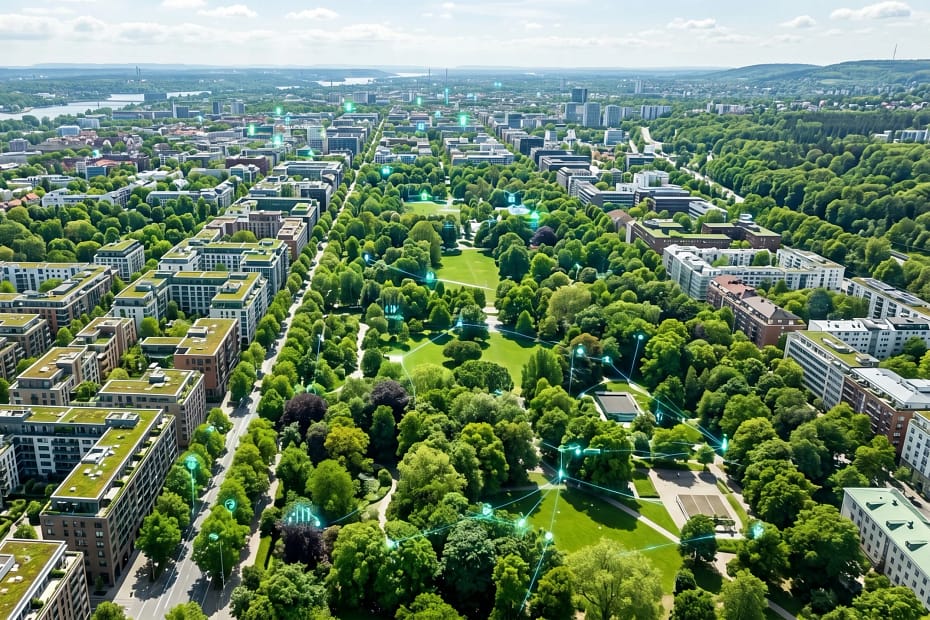
AI comes into the mix by tracking massive amounts of data that would overwhelm a human team. For example, some city forestry departments are digitizing every single tree, cataloging species and health using a mix of drones, sensors, and AI-powered image analysis. With AI, catching early signs of disease or predicting which blocks will heat up due to canopy loss becomes easier, letting limited resources stretch further.
Globally, researchers see the value in smart forestry. A study from Nature Communications points out how urban trees help slash heat, improve mental health, and cut down on air pollution. As someone who’s seen firsthand how a sick row of street trees impacts both curb appeal and neighborhood comfort, I think using AI to rescue and rejuvenate green spaces is a super important direction for tech.
Core AI Applications in Urban Forestry
AI isn’t just a buzzword tossed around in smart city conferences. It’s already showing up in some cool ways. Here are the most common uses I’ve seen:
- Tree Health Monitoring: AI models can spot early signs of disease or stress in trees using high-res aerial photos and ground sensors.
- Urban Canopy Mapping: Automatically generated maps help managers keep up with how city canopies are changing year by year.
- Pest and Disease Prediction: Spotting outbreaks early allows urban forestry crews to respond faster and smarter.
- Optimizing Tree Planting: AI tools suggest the best species for specific locations, taking into account climate, space, and soil health.
- Maintenance Scheduling: AI-powered software can recommend pruning and watering schedules tailored to tree age, type, and recent weather patterns.
Some cities are even using predictive models to plan new planting projects, mapping out where adding trees offers the best bang for the buck in reducing local temps or improving walkability. These tools also help city planners keep tabs on species diversity, ensuring a more resilient tree population despite pests or changing weather conditions. By recommending where new trees will have the greatest impact, AI is directly influencing how cities adapt to urban heat and population growth.
Get Started With AI in Urban Forestry
If you’re curious about bringing AI into your urban forestry project or city department, there are a few basics to know up front. Here’s what I recommend getting familiar with:
- Data Quality: AI tools rely on good data. That can mean drone imagery, satellite photos, or even smartphone snapshots from volunteers.
- Software Solutions: There’s a range of AI software out there. Some are built for city agencies, others are opensource and great for community groups.
- Cloud Platforms: Storage and processing often happen in the cloud, so having a system to upload and organize your tree data is pretty handy.
- Interoperability: If you already use mapping tools or forestry databases, pick AI software that works with your existing tech stack.
As an example, the i-Tree suite, developed by the USDA Forest Service, includes tools that use AI analytics to estimate the environmental benefits of trees. It’s open to the public and has been adopted by hundreds of cities worldwide. I’ve seen everything from college campus managers to large metropolitan forestry teams use these tools to plan better and justify tree-planting budgets. Plus, ongoing improvements in imagery and cloud processing are making these tools steadily more accessible.
Challenges When Using AI for Urban Forestry
Jumping into AI isn’t always smooth sailing. Here are a few hurdles I’ve seen people run into, along with tips to deal with them:
- High-Quality Data is Hard to Get: Getting clear, up-to-date images or tree inventories can be tough. Crowdsourcing, local drone pilots, or integrating other public datasets can help fill the gaps.
- Ongoing Maintenance: AI systems require regular maintenance, software updates, and a dedicated team to manage data quality.
- Hardware Costs: While some tools run on basic laptops, others demand more serious hardware. Budget for ongoing tech investments, not just a one-time purchase.
- Privacy and Public Concerns: Installing new sensors or using drones can raise privacy questions. Getting the community involved early and being transparent is really important here.
- AI Model Fairness: If your dataset is biased, like only surveying wealthier parts of the city, the AI’s recommendations might not serve everyone equally. It’s worth double-checking your data for gaps or hidden patterns.
Dealing with Data Challenges
Sometimes the trickiest part is building and cleaning a tree inventory. If you’re just starting out, even a basic audit via smartphones and public volunteers can go a long way. Apps like TreePlotter or OpenTreeMap let anyone contribute, and AI can step in when it comes to classifying and flagging unusual patterns. Involving local schools or community organizations can also boost data collection and get more people excited about urban forestry.
Manage Maintenance and Updates
AI models need updates, just like smartphone apps. Assign someone to make sure the data stays fresh, and schedule regular reviews to check that your system is working the way you want it to. Keeping track of software updates means fewer headaches down the line.
Budget for AI
Costs aren’t just about software. Maintenance, cloud storage, and sometimes data collection hardware add up. Running a pilot project on a single neighborhood before scaling up is a great way to justify future investments. Consider reaching out for grants or partnerships with universities and nonprofits to help spread out initial costs and bring in extra expertise.
Transparency and Community Engagement
Tech works best when everyone’s in the loop. Hosting workshops or sharing updates online can turn local residents into AI supporters, not skeptics. When communities understand the benefits—like cooler streets or more shade—they’re more likely to get on board and help out.
Cool Features to Look for in Urban Forestry AI Tools
When you’re shopping around or comparing platforms, here are some practical features I look for:
- Visual Dashboards: Easy-to-read maps or dashboards help decision makers and the public see tree health and coverage at a glance.
- Field Data Collection: Apps that let folks in the field quickly log tree condition, species, and photos are super useful. Bonus points if they work offline or allow bulk uploads of data collected in remote areas.
- Pest and Disease Alerts: Built-in alerts for disease or pest risks can save trees before small issues turn into big ones.
- Integration with City Systems: Links or exports to GIS, work order, or permitting software keep data flowing smoothly between departments.
- Scenario Planning: Some tools let you model what happens if you remove or add trees, helping you see the impact before making decisions.
Flexible reporting and the ability to export or share insights publicly are also valuable features, making city transparency and public outreach much easier.
Real-World Examples of AI in Urban Forestry
Plenty of cities are already seeing gains from using these tools. Here are a couple of cases worth checking out:
- In Los Angeles, the city’s Street Tree Inventory project uses AI image recognition to create up-to-date maps of all public trees, flag maintenance needs, and plan water use more precisely. (LA Urban Forestry)
- In Singapore, AI algorithms fed with satellite imagery monitor tree deaths and new growth across parks and roads, helping planners hit canopy goals even with rapid urbanization. (Singapore Trees)
- Toronto piloted drone-based imagery and AI analytics to track the health of ash trees threatened by Emerald Ash Borer, using the data to target removals and replacements efficiently. (Toronto Tree Canopy)
If you’re hoping to learn from other cities or bring examples to your town council, these case studies show proven paths and real outcomes.
Frequently Asked Questions About AI for Urban Forestry
Here are answers to some questions I get a lot from folks working in city planning or environmental science:
Question: Can AI replace human arborists?
Answer: Not really. AI can take care of big-picture tracking and spot trends or alert humans to specific cases, but experienced arborists are still the best for diagnosing and handling treatments on the ground.
Question: What about privacy when using cameras or drones?
Answer: Good question. Most city agencies avoid gathering identifiable personal data and set strict rules about imagery use. Checking with local privacy officers is always smart before implementing new tech.
Question: How hard is it to get started?
Answer: Some opensource tools make experimenting low-risk, and there are free online tutorials and webinars from groups like i-Tree. Partnering with a local college or environmental group can help you test out new tech before making it citywide.
Final Thoughts? Choose and Adopt AI Solutions
Finding the right AI solution starts with knowing your city’s unique goals and constraints. Matching tools to your budget and staff skills, and starting small, goes a long way. As urban areas keep growing, AI is set to be a solid partner for anyone working to create greener, healthier streets and parks. I’ve seen community engagement jump when people see for themselves how AI is making their neighborhoods cooler and more beautiful. Trying out something new might be tough at first, but with some planning and a little patience, city forests can become a proud symbol of tech-savvy resilience for years to come.
Botanicus Plus a GPT for starters and experts
Botnicus Plus boasts an array of new features, enhancing its global appeal and user interaction. These include: 1) Multilingual Support for accessibility in various languages. 2) Virtual Tours of famous botanical gardens and historical plant sites. 3) A Botanical Identification Tool for users to upload and identify plants. 4) Seasonal Guides and Tips tailored to local climates and regions. 5) Opportunities for users to engage in Collaborative Projects and Citizen Science Initiatives. 6) Advice on Sustainable Gardening Practices. 7) Interactive Q&A Sessions with botany experts. 8) Personalized Plant Care Reminders for gardeners. These features enrich Botnicus Plus’s mission to provide comprehensive, interactive, and culturally rich botanical education, fostering a deeper connection with the natural world.
Enjoy!👒
Invest in your future
Take time to learn
Embark on your journey in affiliate marketing and website creation alongside an incredible community and myself. Invest in your future by dedicating time to learn and earn. Take all the time you need to master the basics before aiming higher. Give it a try and sign up for free. You won't regret it! Discover the possibilities for yourself...