


How AI Is Changing Tree Care And Planting
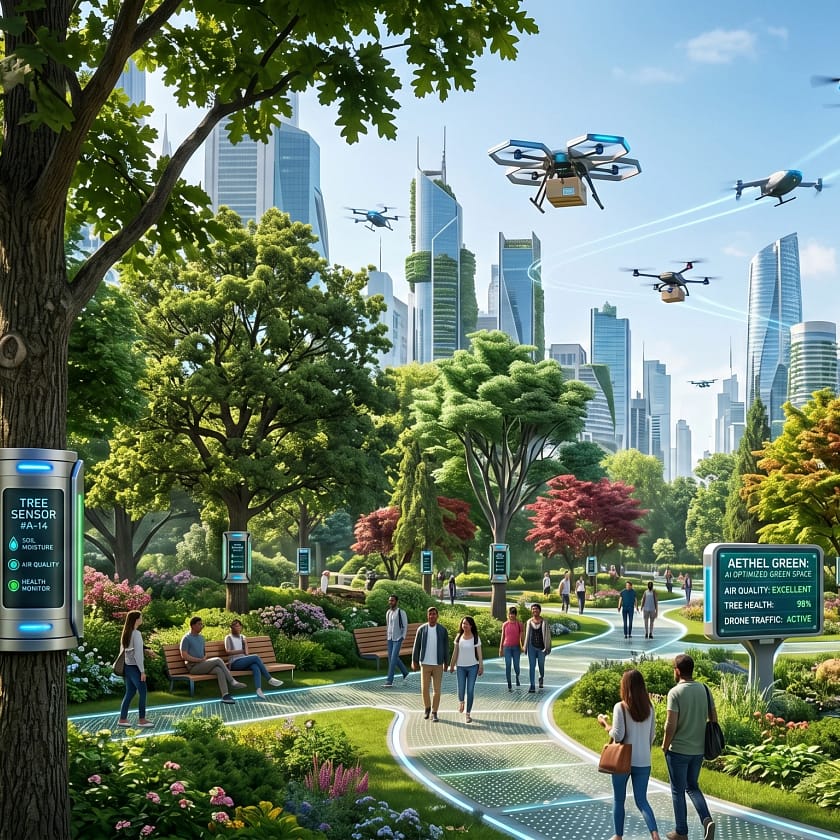
AI is showing up in some surprising places lately, and tree care is no exception. Whether it’s planting the right trees for your neighborhood or keeping city streets lined with healthy, thriving oaks, AI-powered technology is making the process way smarter and more efficient. It’s amazing to see how digital brains are starting to transform something as down-to-earth as caring for trees. Here’s a guide to how AI is changing both large scale planting and everyday maintenance for trees of all sizes.
The Rise of AI Driven Tree Care
Technology has always found its way into fields you might not expect, but the tree care industry is now getting a digital boost thanks to advances in machine learning, computer vision, and data analytics. Cities, private landowners, and forestry professionals are using AI tools to make smarter decisions about planting new trees and caring for existing ones.
Global reforestation efforts are picking up momentum, with many projects now leaning on AI to map out where trees are needed most. According to the World Economic Forum, more than a trillion trees need to be planted worldwide to offset carbon emissions, and AI is already helping reach those ambitious goals by sorting massive amounts of data and pointing out high impact zones. What started with hand planted saplings is now supercharged by drones, satellite imagery, and predictive data, all powered by AI.
Traditionally, tree planting involved plenty of manual labor and educated guessing. Fast forward to today, and city planners are using AI models to keep track of which streets need more shade, which neighborhoods are at risk of flooding, and where tree cover can make the biggest difference for local climate and well being.
Get Started with AI and Tree Planting Basics
Understanding the ways AI is changing tree planting and care can help everyday gardeners, city officials, and even homeowners figure out how to keep trees healthy with fewer headaches. The process now involves a blend of satellite images, sensors, big data, and smart algorithms that can “see” and interpret things humans might miss.
Here are a few tech terms you’ll probably run into:
- Remote Sensing: Uses satellites or drones to gather info on tree health, density, and species from high above.
- Predictive Analytics: AI systems look at past data to recommend when, where, and what to plant for the best results.
- Image Recognition: Computer vision models scan photos or real time video feeds to detect disease, stress, or pest problems on leaves and bark.
By combining these tools, land managers and city arborists can make much more informed decisions about where to invest time and resources. Even basic AI garden sensors now let home users track tree soil moisture, sun exposure, and more, and get reminders when it’s time to water or prune.
How AI Makes Tree Care Smarter
One of the coolest changes AI brings to tree care is the ability to monitor thousands, sometimes millions, of trees at once. Instead of relying on slow visual inspections, drones and sensors feed real time data into AI systems, which immediately spot trouble before it spreads.
- Automated Tree Identification: Instead of sending people out to ID every tree in a city park, AI can scan images and identify species in seconds. This keeps inventories up to date and helps match the right tree to every spot.
- Responsive Irrigation Systems: Some municipal parks now use AI powered sensors that track rainfall, humidity, and soil conditions. When trees need water, the system kicks in, saving a ton of wasted effort (and money) in the process.
- Predicting Disease and Pest Outbreaks: AI algorithms recognize subtle signs of stress like changes in leaf color or shape before problems get severe. Early intervention means fewer trees lost to disease or bugs.
These changes are turning slow, labor heavy processes into smart, data driven routines that are easy to scale across neighborhoods, campuses, or even vast forests.
What to Know Before Adopting AI for Tree Care
Using AI in tree planting sounds pretty high tech, but there are a few things to keep in mind before jumping in.
- Initial Cost: Sensors, drones, and advanced mapping software aren’t always cheap upfront, so it’s worth figuring out which tools actually solve your problems before investing.
- Technical Know How: Some systems need setup, calibration, or regular maintenance. If you’re running a small operation or just caring for a backyard tree, simpler gadgets or smartphone apps may be a better fit.
- Data Privacy: Collecting location, imagery, and environmental data can raise privacy questions, especially in urban neighborhoods, so check local rules before launching any large scale sensor projects.
- Staying Up to Date: AI systems are only as good as their training. They need current data to stay effective, especially if pests or local weather patterns change over time.
Initial Cost
Many cities and organizations start with grants or pilot programs to offset the higher costs of drones, sensors, or AI powered services. For homeowners, there are now basic soil sensors and irrigation controllers that plug into WiFi for under $100.
Technical Know How
New AI tree care tools are designed with simplicity in mind, but some still require tech support, battery swaps, and the occasional software update. It helps to pick systems with good customer support and clear setup guides.
Data Privacy
Anytime a system collects images or location data, it’s good practice to check local regulations about privacy and data storage, especially if you’re in a shared space or a city park.
Stay Up to Date
AI thrives on fresh data. Outdated training or ignored updates can lead to missed warnings, so periodic check ins and updates are just as important as with any tech device.
Choosing the right balance of tech and good old hands on care is really important. Not every tree needs a sensor, and sometimes regular observation and a bit of research are just as effective as high end gadgets, especially for smaller backyards or community gardens.
Pro Tips for Using AI in Advanced Tree Projects
If you’re looking to take your tree care game up a notch, AI has some pretty handy tricks up its sleeve:
Custom Planting Plans: AI can analyze soil types, sun exposure, climate patterns, and recommend the best mix of tree species for a site. Urban planners use this to boost shade, fight climate change, and improve air quality all at once.
Real Time Disease Response: Advanced systems can alert teams the moment a possible disease or pest issue pops up, sometimes before there are even visible symptoms. Fast response keeps outbreaks from spreading.
Long Term Growth Monitoring: AI tools “watch” trees grow over months and years, providing data for health trends, growth rates, and even warning signs if trees start declining.
These upgrades make it way easier to keep big tree projects running smoothly, especially for parks, schools, or municipalities trying to juggle hundreds or thousands of trees at once.
Choose the Right Tools for Your Tree Project
If you’re just getting started with AI in tree planting or care, you don’t need to grab every gadget on the market. Focus on what solves your biggest headaches. Here are some tools and use cases I’ve found super useful:
- Smart Soil Sensors: Great for alerting you when trees need water or when soil pH is off. Many send data right to a phone app.
- Mapping Software: For bigger projects, programs like iTree or Treemetrics map species, ages, and health of tree populations.
- Disease Detection Systems: Organizations like OpenForest AI use aerial imagery and machine learning to catch disease before it spreads.
Even simple upgrades, like a basic moisture sensor or app based fertilization tracker, can make a big difference when you’re caring for more than a couple of trees. If you are just maintaining one or two backyard trees, a standard gardening routine may work fine. But for community gardens or urban tree initiatives, these AI tools help handle the extra workload and complexity of coordinating care for many trees.
Expanding your reach with tech doesn’t mean skipping hands on care, but rather making it simpler and more precise. Large cities have even started deploying AI driven mapping to inventory their tree populations with incredible accuracy, helping identify gaps in canopy coverage and plan accordingly. With smart planning, you can prevent losses from pests and stress, and protect trees in urban environments where weather swings and human impact can quickly take a toll.
Frequently Asked Questions
Got questions about all this tech and how it fits into street trees or backyard sycamores? Here are a few I hear a lot:
Question: Do I need AI for caring for a single tree?
Answer: For one or two trees, standard TLC and observation works really well. AI is more helpful for bigger yards, gardens, or neighborhood projects where there are too many trees to track manually.
Question: Is AI powered tree planting environmentally friendly?
Answer: Most systems are designed to help trees thrive and save resources like water and fertilizer, but it still depends on how responsibly the technology is used and maintained.
Question: What happens if my AI tool stops working?
Answer: Most reliable tools have good customer support or basic troubleshooting. Always keep a backup plan for critical tree care needs, especially watering or disease monitoring.
AI and the Future of Green Spaces
Bringing artificial intelligence to tree care isn’t just a tech trend; it’s changing how people plant, water, and protect green spaces big and small. Community gardens, city parks, and even backyards have started using AI to better match trees with their local climate, stop pests in their tracks, and keep urban environments shaded and healthy. While not every yard needs advanced sensors or cameras, the right mix of guidance and gadgets can take a lot of guesswork out of caring for trees. AI powered solutions don’t replace hands on attention, but they definitely help everyone, from homeowners to professional arborists, make smarter, quicker decisions and keep trees thriving for years to come.
Botanicus Plus an AI PLUGIN for starters and experts
Botnicus Plus boasts an array of new features, enhancing its global appeal and user interaction. These include: 1) Multilingual Support for accessibility in various languages. 2) Virtual Tours of famous botanical gardens and historical plant sites. 3) A Botanical Identification Tool for users to upload and identify plants. 4) Seasonal Guides and Tips tailored to local climates and regions. 5) Opportunities for users to engage in Collaborative Projects and Citizen Science Initiatives. 6) Advice on Sustainable Gardening Practices. 7) Interactive Q&A Sessions with botany experts. 8) Personalized Plant Care Reminders for gardeners. These features enrich Botnicus Plus’s mission to provide comprehensive, interactive, and culturally rich botanical education, fostering a deeper connection with the natural world.
Botanicus-plus Plugin
Enjoy!👒
Invest in your future
Take time to learn
Begin your path in affiliate marketing and website building with a supportive community and me. Commit time to learning and earning as an investment in your future. Use whatever time you require to master the fundamentals before pursuing greater goals. Try it and register for free. You will not regret it—explore the potential yourself…And create your own with help of AI tools and agents