
How To Protect Trees From Pests And Insects
Trees add beauty, shade, and value to any yard or park. However, pests and insects can make it tough for them to stay healthy. I’ve seen healthy, leafy trees turn stressed and sick pretty quickly when pests are left unchecked. The good news is that with a few simple habits and some early action, most trees bounce back quickly. Here’s my easy-to-follow guide on protecting your trees from pests and insects, based on what’s worked for me and the latest science-backed advice.
From stopping tiny bugs to handling bigger threats, this guide covers practical tips for keeping your trees strong, healthy, and pest free. These steps work whether you’ve got a single backyard tree or an entire miniforest, regardless of your level of experience.
Step 1: Know Your Tree’s Needs
Each type of tree deals with different pests, and knowing which ones target your tree is really important. I always start by figuring out the type of tree I have. Some pests only go after oaks, while others might love fruit trees.
Questions To Help You Get Started:
- What species is your tree? (Maple? Pine? Apple?)
- Are there common pests in your area?
- What does a healthy version of your tree look like?
- What conditions make your tree stressed or weak?
Pest Symptoms Worth Watching For:
- Chewed or curled leaves
- Sticky stuff (honeydew) on leaves
- Holes in the trunk or branches
- Webbing, caterpillars, or odd bumps
- Yellowing, wilting, or dropping leaves
When you know what to watch out for, you’ll catch pest attacks much sooner; and that’s a game changer for recovery. Getting familiar with local pest cycles throughout the seasons helps you stay ahead of infestations, making it easier to act quickly and keep your trees safe.
Step 2: Practice Good Tree Care Basics
Pests usually go after trees that are already stressed. Keeping your trees strong makes them a whole lot less tasty to bugs.
My Top Tree Care Tips:
- Water deeply but not too often; roots prefer a good soak over a daily sprinkle.
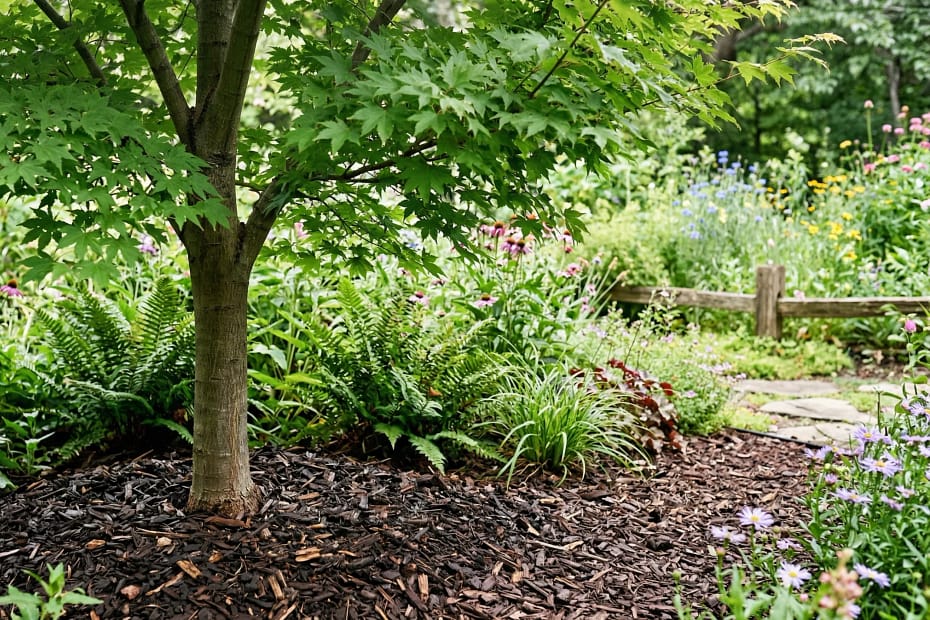
- Mulch around the base (but not against the trunk) to keep soil moist and roots cool.
- Prune dead, diseased, or overcrowded branches to allow for good airflow and light.
- Keep lawns and debris cleared around trees; this removes hiding spots for bugs.
Simple habits like these make pest infestations way less likely. A healthy, wellcaredfor tree can usually shrug off minor pest problems on its own. Try to check soil moisture at least every week after rainy spells or hot weather; both can stress trees, leaving them open to bugs and disease.
Step 3: Inspect Regularly for Early Warning Signs
Getting into the habit of checking your trees for problems is super important. Once a month, I walk my yard and take a good look at the leaves, branches, and trunk.
What I Look For:
- Tiny holes, tunnels, or sawdust (a sign of borers)
- Webbing or clusters of caterpillars
- Sticky residue or black sooty mold on leaves (aphids/scale bugs)
- Clusters of small insects along twigs or under leaves
- Unusual leaf drop or yellowing out of season
The sooner you spot an issue, the easier it is to fix. If you’ve got binoculars and tall trees, those are handy for getting a better look at higher branches. Keep a simple notebook or phone log about what you see, so you can track changes over time; often, slow shifts are early warning signs before any big problems appear.
Step 4: Use Safe and Smart Pest Control Methods
Sometimes, even the healthiest tree can end up with pests. I focus on methods that target bugs but keep the rest of the yard safe for kids, pets, and pollinators.
Some Pest Control Methods I Use:
- Hose Off Aphids: A blast of water is usually enough to knock off a small aphid infestation.
- Hand-Pick Visible Pests: If I see large caterpillars or beetles, sometimes I’ll just pick them off and drop them in soapy water.
- Encourage Natural Predators: Ladybugs eat aphids, and birds gobble up caterpillars. I plant native flowers and add a bird bath to help invite these helpful creatures.
- Neem Oil or Insecticidal Soap: These are good options for organic gardeners. Neem oil messes with pests without harming most beneficial bugs when used as directed.
- Sticky Traps: Placing these on small branches can help monitor and control certain insects, especially in young trees or saplings.
Avoid using harsh chemicals unless you’re sure pests are out of control and you know exactly what you’re dealing with. Harmful sprays often do more damage than good by killing off good bugs and upsetting the balance in your yard. When using any treatment, always follow label directions and never apply in windy or rainy conditions, as that can send sprays where you don’t want them.
Step 5: Prevent Pests With Smart Yard Habits
Most tree pest problems start in the soil or from nearby infected plants, so it pays to be proactive all season long.
How I Build Pest Resistance:
- Clear away fallen leaves, rotten fruit, or other dead plant debris under the tree.
- Don’t pile mulch or soil against the trunk; this encourages rot and pests.
- Rotate the types of plants under trees and use a mix of native plants to support healthy soil.
- Distance new trees or shrubs from infected ones to stop pests from jumping over.
These simple habits help the whole yard stay in balance, creating a spot where pests don’t have much to eat or places to hide. You can also test new plants before adding them, making sure you’re not bringing any surprise bugs into your healthy yard. If you do find signs of pests on new plants, treat them first before planting.
Step 6: Know When To Get Expert Help
Some tree issues are best left to pros. I’m definitely allin on DIY, but if you spot these signs, calling an arborist is worth it:
- Large sections of a tree turning brown quickly
- Holes oozing sap or sawdust (especially in big, old trees)
- Multiple trees affected at the same time
- You’re not sure which pest you’re facing
Certified arborists can diagnose issues, recommend specific treatments, and even save large or beloved trees that look doomed. Bringing them in early can save time, money, and heartache. An expert might spot root problems, fungal diseases, or hidden pests you might miss, and their advice usually includes a care plan for both treatment and longterm prevention.

Common Questions & Pest Troubleshooting
What should I do if my tree suddenly loses leaves?
Rapid leaf drop can mean shock, drought, or a big pest outbreak. Check the leaves for bugs or damage, water deeply if the soil feels dry, and inspect the trunk and branches for holes or slime. Treat any bugs you find and watch the tree for a few weeks, as some recovery takes time.
Are homemade sprays safe for my trees?
Some homemade mixes, like water and dish soap, work on softbodied pests like aphids. Just do a small test spray first, as some trees are sensitive to soap. Avoid using harsh household cleaners or chemicals not meant for plants. If your tree reacts badly, flush with plain water and let it recover before treating again.
Is it worth pruning affected branches?
Yes, if you cut pestridden, dead, or diseased branches you can stop pests from spreading. Use clean, sharp tools and disinfect them after cutting to avoid carrying diseases between trees. Regular pruning helps trees put energy into healthy new growth, which makes them tougher against future problems.
Can I plant things under my tree to help?
I’ve had good luck with native ground covers and flowers that attract predator insects. Avoid piling heavy mulch or planting things too close to the trunk, but adding healthy, diverse plants can keep the soil and the tree stronger. Some companion plants can enhance soil health and deter certain pests, so look for options like allium, marigold, or clover around fruit trees.
Final Thoughts & Next Steps
Trees stand a much better chance against pests with a mix of healthy habits and smart, natural bug control. Getting to know your trees, checking for trouble regularly, and sticking with organic methods when possible keeps pests in check without a lot of fuss. Remember, maintaining diversity in your landscape helps the ecosystem work for you; healthy yards attract helpful wildlife that reduce pest problems naturally.
Quick Action Plan:
- Figure out what type of tree you’ve got and common pests in your area.
- Check your trees monthly for any odd signs or bugs.
- Stick to safe treatment methods and avoid spraying harsh chemicals by default.
Seen tough pest problems in your trees? Share your story below, or let me know if you need help ID’ing a tree pest. I’m always happy to help others grow strong, healthy trees. With a bit of care and these practical tips, you can set your trees up for longterm health and beauty.
Botanicus Plus a GPT for starters and experts
Botnicus Plus boasts an array of new features, enhancing its global appeal and user interaction. These include: 1) Multilingual Support for accessibility in various languages. 2) Virtual Tours of famous botanical gardens and historical plant sites. 3) A Botanical Identification Tool for users to upload and identify plants. 4) Seasonal Guides and Tips tailored to local climates and regions. 5) Opportunities for users to engage in Collaborative Projects and Citizen Science Initiatives. 6) Advice on Sustainable Gardening Practices. 7) Interactive Q&A Sessions with botany experts. 8) Personalized Plant Care Reminders for gardeners. These features enrich Botnicus Plus’s mission to provide comprehensive, interactive, and culturally rich botanical education, fostering a deeper connection with the natural world.
Enjoy!👒
Invest in your future
Take time to learn
Embark on your journey in affiliate marketing and website creation alongside an incredible community and myself. Invest in your future by dedicating time to learn and earn. Take all the time you need to master the basics before aiming higher. Give it a try and sign up for free. You won't regret it! Discover the possibilities for yourself...