


Flowering Trees For A Beautiful Landscape
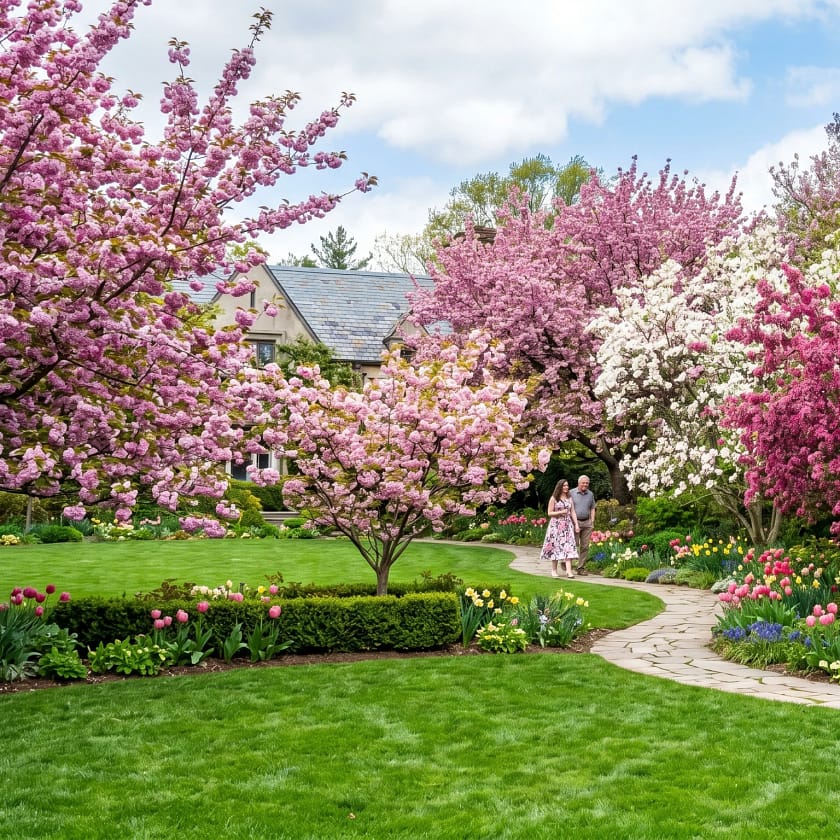
Flowering trees add vibrant color, texture, and seasonal interest to any landscape. They bring life to yards, parks, or even small gardens, offering a gorgeous show each year. I love picking out new flowering trees because they can completely change the feel of a space. Shady, welcoming, and bursting with blossoms, these trees make a difference. There are tons of options, so I want to help you find the best flowering trees for your landscape and share some tips on getting the most out of these eye-catching plants.
Why Flowering Trees Belong in Your Landscape
Flowering trees do a lot more than just look pretty. They attract pollinators like bees, butterflies, and birds, helping sustain local ecosystems. Plus, their seasonal flowers mark the changing year and make outdoor spaces feel more exciting. If you’re looking to boost curb appeal or add privacy, flowering trees come in plenty of shapes and sizes to create the effect you want, whether that’s a traditional look or a wild cottage garden vibe.
Whether you’re after springtime bursts of color, sweet fragrance, or even edible fruit, the right flowering tree has you covered. Flowering trees can work as standout pieces in your landscape, be part of a mixed border, or line a driveway for a grand entrance. Their value in landscaping goes beyond just aesthetics; they support local ecology, offer cooling shade, and even reduce noise when positioned well.
Popular Flowering Trees for Eye-Catching Color
Picking a flowering tree starts with knowing what options are out there. Some trees flower early in the year, while others hit their peak later. Here are a few favorites that many people track down to create a beautiful landscape:
- Dogwood (Cornus florida): Dogwoods are famous for their showy spring blooms, which come in white, pink, or red. They’re also compact enough for smaller yards, with attractive branch structure, and give great fall color.
- Eastern Redbud (Cercis canadensis): Early spring brings clusters of rosy-pink flowers right on the branches. The unique color and heart-shaped leaves make it a favorite for both classic and modern gardens.
- Magnolia: Magnolias are known for their huge, fragrant blooms that often appear before the leaves. There are loads of species to check out, ranging from towering to shrublike types.
- Crabapple (Malus spp.): Crabapples offer blooms from white to deep pink, with small fruit that birds love. They bring multi-season interest, thanks to their bold fall color too.
- Crape Myrtle (Lagerstroemia): Perfect for warmer climates, crape myrtles bloom through summer in shades of pink, purple, white, and red. Their bark texture is a standout in winter.
- Cherry Trees (Prunus spp.): Known for breathtaking spring blossoms, cherry trees put on beauty for a couple of weeks every spring. Some varieties even offer edible fruit, adding to their charm.
It’s handy to double-check what varieties grow best where you live. Some trees require more cold hours in winter, while others like long, hot summers. Local nurseries and botanical gardens often keep lists of recommended flowering trees for different zones. Don’t hesitate to ask experts nearby for their favorite tried-and-true selections.
Pick the Best Flowering Tree for Your Yard
Choosing a flowering tree is more than just picking your favorite color. There are a few important things I always keep in mind before settling on the right tree for a spot. Here’s what I look for each time I plan a new garden or landscape design:
- Size at Maturity: Make sure you know how tall and wide your tree gets so you don’t end up with a tree that outgrows your yard or crowds your house. Many trees are labeled dwarf or standard—pick what fits your space best.
- Sunlight Needs: Some flowering trees need full sun (6+ hours daily) to bloom well, while others can tolerate part shade. Trees like dogwood are perfect for filtered sunlight beneath taller shade trees.
- Soil Preferences: While many flowering trees aren’t too picky, drainage, pH, and soil type can make a difference. Amending soil before planting really helps new trees get established quickly.
- Flowering Season: Layering trees that bloom at different times will give your landscape more color for longer. Early bloomers like redbud can be paired with later stars like crape myrtle.
- Maintenance: Some trees have more pest or disease issues. It’s worth paying attention to common problems in your region so you can make an informed choice and avoid extra work later.
For example, I once planted an eastern redbud right under a power line. It looked great for a few years, but then needed constant pruning. Now, I always check for overhead wires and enough space for roots to spread out safely before planting.
Tips for Planting and Growing Flowering Trees
Planting your tree right is key to long-term success. Here’s what’s worked well for me each time I put in a new flowering tree:
- Plant at the Right Time: Early spring or fall is usually the best time; cooler weather helps roots get established without the stress of summer heat.
- Pick a Good Spot: Full sun brings the most blooms, but double-check your specific tree’s preference. Some trees tolerate light shade and still flower well.
- Dig a Wide Hole: A hole at least twice the width of the root ball lets roots spread freely. Don’t dig deeper than the root ball to avoid settling issues.
- Amend Soil: Mixing in compost before backfilling can improve drainage and nutrients, giving your tree a good head start.
- Mulch and Water: Add two or three inches of mulch around the base to lock in moisture and keep weeds down. Water deeply during the first season, especially if rain is scarce in your area.
Most flowering trees don’t need a lot of fuss after they’re established. Some like crabapples or dogwoods might need a trim here and there for shape or to remove broken branches. Regular watering during dry spells and some slow-release fertilizer in early spring help keep them healthy, vibrant, and blooming strong year after year.
Things to Watch Out for With Flowering Trees
While flowering trees are beautiful, a few issues can pop up. Here’s what I pay attention to:
- Pests and Diseases: Some flowering trees attract aphids, scale insects, or fungal diseases. Looking over leaves and branches regularly helps spot any problems early and keep your trees healthy.
- Litter: With blooms, fruit, or seed pods comes cleanup. Fruit-bearing crabapples or cherries can drop a mess on walkways and cars, so it’s smart to plant these further from pavement to avoid extra cleanup.
- Pruning Needs: Keeping the height and shape in check not only raises curb appeal but gives a boost to flowering. Prune in late winter or right after blooms fade, depending on the species for best results.
- Allergies: Some trees release pollen that can trigger allergies. It’s worth considering this if anyone in your household is sensitive.
Real-World Example? Magnolia Problems
I have a southern magnolia that drops massive leaves and seed pods all spring. It’s absolutely worth it for the flowers and their fragrance, but I always recommend raking often and using leaf litter as mulch elsewhere in the yard to keep things tidy and recycle nutrients back into the garden.
Creative Ways to Use Flowering Trees in Your Landscape
Flowering trees offer tons of creative landscape uses. Here are a few ideas I use whenever I’m mapping out outdoor spaces for myself or others:
- Accent Tree: Plant a single flowering tree in the center of the yard or near a patio for a real wow factor that draws everyone’s attention to its blossoms each spring.
- Mixed Border: Combine flowering trees with evergreens, shrubs, and perennials to create layers of interest along the edge of your yard for color from spring through fall.
- Allee or Avenue: Lining a long driveway or sidewalk with springblooming trees gives a classic look that feels both grand and welcoming, perfect for making a memorable entrance to your home.
- Wildlife-Friendly Corners: Use trees like crabapple, serviceberry, or hawthorn in a back corner of your yard. They provide wildlife habitat and food, encouraging birds and pollinators to visit.
Planting different species together adds not just more blossoms throughout the seasons, but a healthier, more diverse garden. Birds and bees will thank you! Try mixing trees that flower at different times for continuous beauty from spring through early fall.
Frequently Asked Questions about Flowering Trees
Question: How long does it take for a flowering tree to bloom after planting?
Answer: Most flowering trees take between two to five years to start putting on a strong flower show. Some, like redbuds or smaller crabapples, bloom quite young, while larger magnolias or ornamental cherries might need a bit more patience. Local conditions and care can speed things up or slow things down a little.
Question: What’s the best low-maintenance flowering tree?
Answer: Native trees are usually the easiest to care for. Serviceberry, eastern redbud, and crabapple are solid bets for low fuss and good disease resistance in much of North America. Always keep an eye out for pests and water during drought, though—no tree is truly zero maintenance.
Question: Can I plant flowering trees near my house?
Answer: Yes, just be sure to leave enough space for future growth. I keep small species (like dogwood or redbud) at least 10-15 feet away from foundations. Large trees should be even further out, both for root spread and to prevent branches from scratching against siding or roofs.
Question: How do I attract more birds and pollinators?
Answer: Go for trees that put out fruit, berries, or lots of nectar-rich flowers. Crabapples, serviceberry, and cherry trees are excellent picks. Avoid spraying pesticides on or around flowering trees during bloom season so pollinators stay safe and keep coming back.
Final Thoughts on Flowering Trees for Your Landscape
Adding flowering trees is one of the easiest and most rewarding ways to give your landscape a beauty and biodiversity boost. From classic dogwoods to bold magnolias and tough-as-nails redbuds, you can find a flowering tree for just about every garden and climate. Careful selection, proper planting, and a little bit of upkeep will get you years of shade, blooms, and happy wildlife—all from a single tree. The change a flowering tree brings is felt in every season.
If you’re just getting started, try visiting a local arboretum or public garden during bloom season. There’s nothing like seeing mature flowering trees in action to help you spot the perfect specimen for your own yard. Tree shopping in full bloom can be inspiring and downright fun, especially when you see the options available in your local area. Happy planting!
Botanicus Plus a GPT for starters and experts
Botnicus Plus boasts an array of new features, enhancing its global appeal and user interaction. These include: 1) Multilingual Support for accessibility in various languages. 2) Virtual Tours of famous botanical gardens and historical plant sites. 3) A Botanical Identification Tool for users to upload and identify plants. 4) Seasonal Guides and Tips tailored to local climates and regions. 5) Opportunities for users to engage in Collaborative Projects and Citizen Science Initiatives. 6) Advice on Sustainable Gardening Practices. 7) Interactive Q&A Sessions with botany experts. 8) Personalized Plant Care Reminders for gardeners. These features enrich Botnicus Plus’s mission to provide comprehensive, interactive, and culturally rich botanical education, fostering a deeper connection with the natural world.
Enjoy!👒
Invest in your future
Take time to learn
Embark on your journey in affiliate marketing and website creation alongside an incredible community and myself. Invest in your future by dedicating time to learn and earn. Take all the time you need to master the basics before aiming higher. Give it a try and sign up for free. You won't regret it! Discover the possibilities for yourself...