

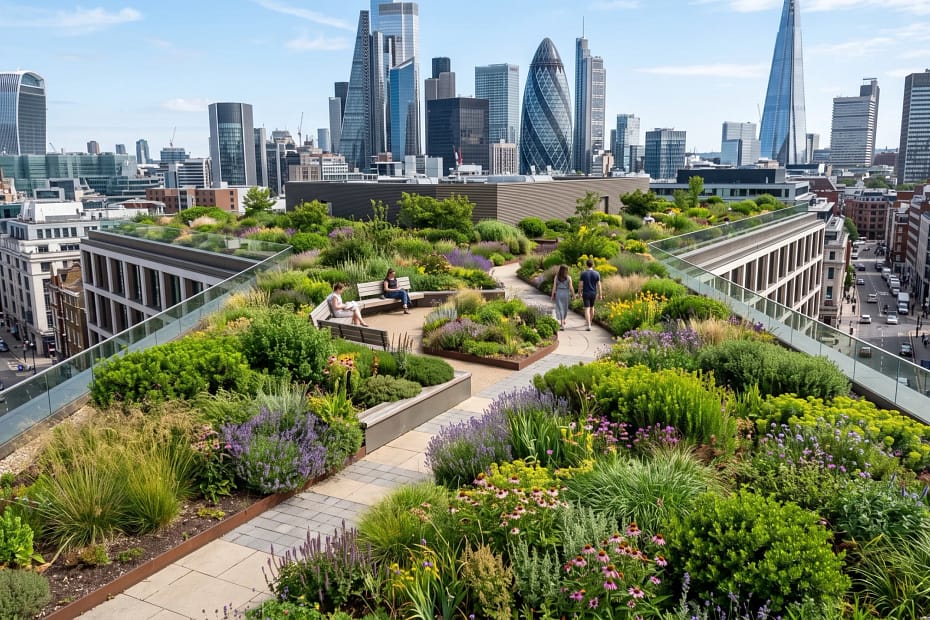
Green roofs and vertical gardens have become popular, especially in cities where green space is limited. If you’ve ever walked past a lush rooftop or a wall brimming with plants in an urban area, you know how much of a difference these features can make, not just for how a building looks but also for the people and wildlife around it. In this article, I’ll break down the practical benefits of green roofs and vertical gardens, give some tips on getting started, and answer common questions so you can see how these living features offer more than just a nice view.
How Green Roofs and Vertical Gardens Work
Both green roofs and vertical gardens (sometimes called living walls) involve growing plants on structures that usually weren’t designed for greenery. A green roof sits on top of a building and often uses layers for drainage, root protection, and plant support. Vertical gardens attach to interior or exterior walls using special panels, modular systems, or planters, letting plants grow vertically instead of across the ground.
The idea behind both is pretty straightforward. You make use of unused surfaces and bring nature closer to where people live, work, or hang out. These installations range from simple and lightweight setups with hardy groundcovers to complex, self-irrigating systems packed with many kinds of plants. Whether it’s a rooftop or a living wall inside an apartment building, the premise is the same: transforming underused or sterile areas into vibrant green environments that benefit both people and the ecosystem.
Practical Benefits of Green Roofs and Vertical Gardens
Green roofs and vertical gardens aren’t just about curb appeal. They come with a bunch of everyday perks:
- Better Air Quality: Plants pull dust, carbon dioxide, and pollution from the air, working as natural filters that improve breathing conditions indoors and outdoors.
- Lower Energy Bills: Green roofs and vertical gardens help insulate buildings by shading roofs and walls, cooling the air around them, and reducing heat transfer. This often leads to less money spent on air conditioning in the summer and heating in the winter.
- Add More Green Space: Every rooftop or bare wall covered with plants turns into a little pocket of green in busy areas, helping take the pressure off crowded parks. These plant-filled spots also help break up the monotony of concrete and glass, making neighborhoods more vibrant and inviting.
- Stormwater Management: A green roof or wall acts like a sponge by soaking up rainwater and easing the load on city drainage during heavy showers. This translates to less flooding and fewer problems with urban runoff, making communities more resilient to sudden storms.
- Boost Biodiversity: These green spaces give birds, butterflies, and bees new places to find food and shelter, making the city friendlier for wildlife overall. In fact, even small installations can provide much-needed habitats for pollinators and urban fauna.
- Reduce Urban Heat: Large amounts of concrete and asphalt make cities warmer than the countryside. Adding plant life cools the air through shade and evaporation, making cities more comfortable during summer heatwaves. Plus, the shade helps protect rooftops and walls from UV damage, extending their functional life and appearance.
I’ve seen these benefits in action. On hot days, green roofs are much cooler to the touch than plain concrete, and the improvement in local bird and insect activity is noticeable in neighborhoods with more greenery. Kids and adults alike enjoy seeing butterflies fluttering by, and there’s also a sense of pride that comes with making a community greener and more sustainable.
Get Started with Green Roofs and Vertical Gardens
Before adding a green roof or vertical garden to your building, a bit of planning pays off. You want the installation to work for your space and fit your needs.
- Check Your Structure: Not every roof can handle the same load. If you’re considering a green roof, get a structural engineer to check that your building can safely support the weight, especially when it’s wet. It’s also vital for vertical gardens, as some wall types may need reinforcements for heavy installations.
- Start Small: If you’re new, try a mini green roof on a shed or a small living wall panel on your balcony before scaling up. This helps you get a feel for plant maintenance and system upkeep. You can experiment with plant combinations and observe what works best without risking a big investment right away.
- Pick the Right Plants: Look for drought-tolerant or native plants that can survive in your local weather and sunlight conditions. Sedums, succulents, and some grasses do well on roofs; for walls, ferns and trailing vines are a smart pick. Researching local plant species or consulting a nursery can enhance your chances of success by matching your setup with plants that naturally thrive.
- Irrigation and Drainage: Make sure your chosen system includes good drainage to prevent root rot and adequate irrigation, especially for vertical gardens, which can dry out quickly. Some advanced systems include automatic drip lines, but even a simple watering schedule can keep your plants healthy.
Don’t forget that green roofs and living walls need maintenance, including regular weeding, watering, and fertilizing. Some low-maintenance systems do exist, particularly those with hardy succulents, but expect to check things seasonally at the very least. Once you get the hang of things, it can turn into a relaxing routine, and many people find that tending a living roof or wall brings a sense of satisfaction and connection to nature.
Challenges and Solutions with Urban Greenery
Setting up a living roof or wall isn’t always smooth sailing. There are a few common things to watch out for, but some prep and the right mindset make things much easier.
- Upfront Costs: These systems are an investment; the price depends on size, complexity, and whether you hire a pro or DIY. Over time, though, the lower energy bills and increased building life can balance out the initial spend. Some cities offer tax breaks or subsidies to help, so it’s worth checking your local codes and incentives.
- Structural Concerns: Weight is always something to double-check. For older buildings, lightweight green roof systems or smaller container setups may be better options, reducing the risk while still bringing some green benefits.
- Irrigation Needs: The right watering system makes a huge difference. Many modern living wall kits include built-in drip irrigation to keep upkeep simple, and timers or smart sensors can further reduce the chore of watering.
- Pest and Plant Issues: Sometimes pests or plant diseases can pop up. Choosing resistant plant varieties and inspecting regularly helps keep things in check. Also, rotating plant choices seasonally can reduce recurring infestations and keep the display looking fresh.
From personal experience, the times I’ve skipped regular watering or picked plants that didn’t match my local climate, the garden didn’t do well. Keeping up with maintenance and thoughtful plant selection really matters for success. Local gardening groups or online communities can be invaluable resources for troubleshooting issues and getting advice tailored to your area.
Green Roof Types
Two main types of green roofs exist:
- Extensive Green Roofs: Lightweight, thin soil layers, and mostly lowgrowing plants make these a good pick for residential buildings or sheds. They typically need less maintenance and are more budgetfriendly.
- Intensive Green Roofs: Heavier, deeper soil supports a wider range of plants (even small shrubs or trees). They provide more of a garden feel, but require stronger structural support, and ongoing gardening effort.
Vertical Garden Options
There are different styles of vertical gardens:
- Modular Panels: These systems come preplanted and are easy to attach to walls. They’re simple to start and let you swap out sections if needed, making them flexible for design changes or plant replacements.
- Container or Pocket Gardens: Small pots or fabric pockets hang from a frame or directly on the wall. These are good for personalizing plant choices and for DIY setups with herbs, flowers, or leafy greens.
- Hydroponic Systems: These use water and nutrients instead of soil, perfect for indoor green walls and hightech installations. They support fastgrowing plants and can work well in small spaces with limited sunlight.
Extra Benefits? Community, Wellbeing, and Value
The positives go beyond rainwater and temperature control. Whenever I visit or work in a building with a green roof or wall, the mood just feels better. People are more likely to use rooftop spaces for relaxing, meetings, or gardening as a hobby. Studies back this up too: being around greenery helps reduce stress and boost concentration. Businesses report happier employees and property owners see an increased sense of community among tenants or neighbors. These shared green areas can become gathering spots, creative spaces, and a source of pride for the people who look after them.
Buildings with green roofs or living walls sometimes see higher property values and better lease rates, since these features are attractive to ecoconscious renters and buyers. There’s also more opportunities for urban agriculture; some green roofs even serve as vegetable gardens for restaurants or apartment communities, providing ultra-local produce and reducing food miles.
Frequently Asked Questions
I get a lot of questions about green roofs and living walls. Here are some of the most common, with straightforward answers:
Question: Are green roofs and vertical gardens expensive?
Answer: They usually cost more upfront than standard roofs or walls, but lower energy bills, longer roof life, and sometimes rebates or incentives can help balance out expenses over time. It’s a good idea to check if your local government offers grants for green building projects.
Question: How hard are these systems to maintain?
Answer: Maintenance depends on the plants and setup. Lowmaintenance systems with hardy plants need less attention. Expect to do seasonal weeding, inspections, and occasional watering, just like a typical garden, but the workload can be manageable, even for beginners.
Question: Can green roofs be installed on any building?
Answer: Not all buildings can support the extra weight, especially older structures. A structural assessment is very important before starting. There are lightweight solutions available, so consulting with a professional can help you find the safest option for your space.
Question: Do these green systems attract pests?
Answer: While any garden can attract bugs, choosing pestresistant plants and regular upkeep usually keeps things under control. Encouraging natural predators like ladybugs can also help maintain a healthy balance.
Key Takeaways for Greener Cities
Adding a green roof or vertical garden is a practical way to fight air pollution, boost property value, and make cities more pleasant. Whether you’re after lower bills, fresh produce, or just want to support local wildlife, these systems deliver real benefits. Starting small, picking the right plants, and staying on top of maintenance go a long way toward a successful setup. Switching over to green infrastructure is easier than it used to be, and if you’re in a city, it’s definitely worth checking out for personal and community benefits. Even tiny green spaces can make a surprising impact, one rooftop or wall at a time. As more people join in, cities become not just greener but also healthier and happier places to live.
Basic gardening projects on Amazon
Botanicus Plus a GPT for starters and experts
Botnicus Plus boasts an array of new features, enhancing its global appeal and user interaction. These include: 1) Multilingual Support for accessibility in various languages. 2) Virtual Tours of famous botanical gardens and historical plant sites. 3) A Botanical Identification Tool for users to upload and identify plants. 4) Seasonal Guides and Tips tailored to local climates and regions. 5) Opportunities for users to engage in Collaborative Projects and Citizen Science Initiatives. 6) Advice on Sustainable Gardening Practices. 7) Interactive Q&A Sessions with botany experts. 8) Personalized Plant Care Reminders for gardeners. These features enrich Botnicus Plus’s mission to provide comprehensive, interactive, and culturally rich botanical education, fostering a deeper connection with the natural world.
Enjoy!👒
Invest in your future
Take time to learn

Embark on your journey in affiliate marketing and website creation alongside an incredible community and myself. Invest in your future by dedicating time to learn and earn. Take all the time you need to master the basics before aiming higher. Give it a try and sign up for free. You won't regret it! Discover the possibilities for yourself...