

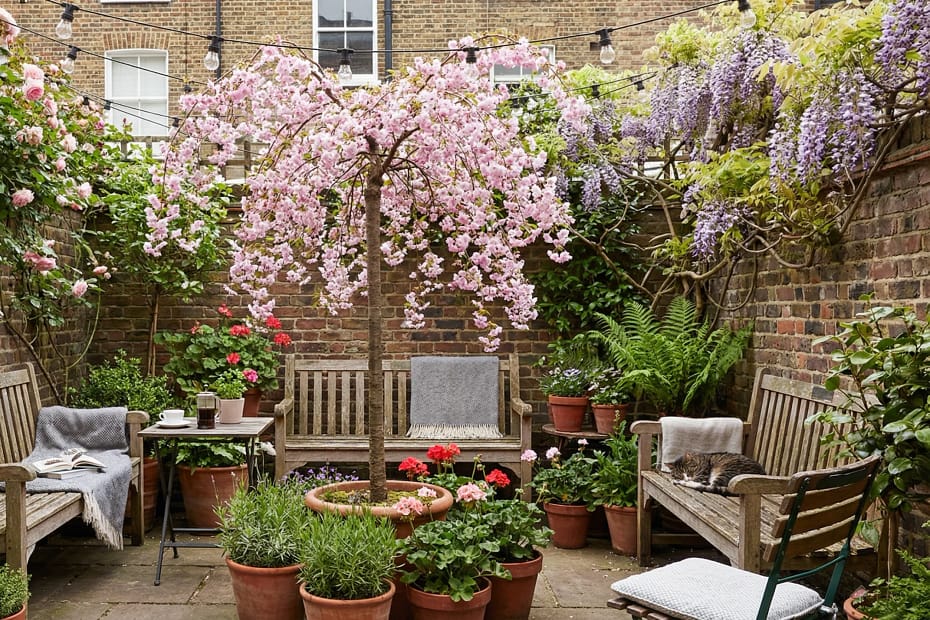
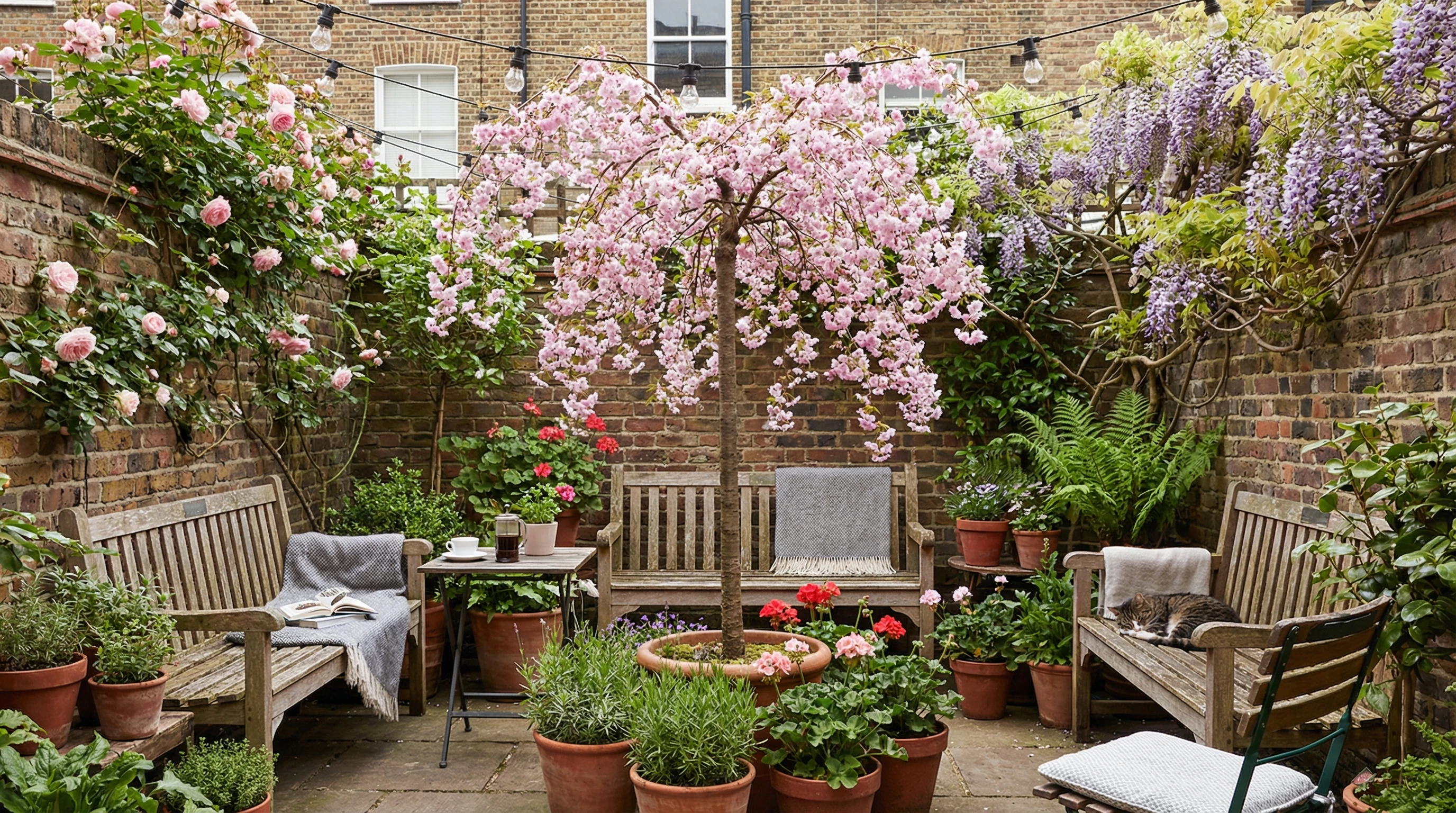
Trees bring life and beauty to any space. When all you have is a small yard, patio, or balcony, getting one established can feel tricky. Over the years, I’ve picked up quite a few tips for planting and growing trees in tight spots. Honestly, it’s not as hard as it sounds when you know what to look for and how to get started. This guide covers practical steps and friendly advice to help make your small-space tree planting project a success.
How To Plant Trees In Small Spaces
Why Plant Trees in Small Spaces?
Trees offer so much more than just shade and privacy. Even in the tiniest garden, a tree creates a mini living ecosystem. I’ve seen neighbors turn bland patios and balconies into lush retreats by adding one thoughtfully chosen tree. Trees are great at improving air quality, boosting mood, supporting pollinators, and even cooling down outdoor spaces during hot days. Planting a tree means squeezing in extra life wherever you can, not simply adding greenery.
Don’t let size fool you. With careful selection and planning, you can transform a little nook or patch of soil into a lush area that truly stands out. Container grown trees, dwarf and slowgrowing varieties, and creative placement mean small doesn’t have to mean bare. If you want to create an eye-catching spot that’s also practical, even the smallest tree can do the trick.
How to Pick the Right Tree for a Small Space
The trick is to consider the full-grown size, growth speed, and shape of the tree you want. Not all trees are created equal for growing in small spaces. I always suggest looking for varieties labeled as dwarf, patio, or columnar.
- Dwarf Trees: These stay compact and manageable, often only reaching 8-10 feet tall when mature.
- Columnar or Upright Trees: These have a narrow footprint, growing mostly upwards. Perfect for side yards or close to fences.
- Slowgrowing Species: Take their time, so you won’t need to worry about your tree overrunning your space overnight.
Do your research about local climate zones. Ask local nurseries for their advice on trees that thrive in your area. And don’t overlook native species. They tend to do well with minimal fuss and look right at home from the start.
Get Ready: What You Need Before Planting
Preparing ahead makes everything smoother. Here’s my usual checklist for planting trees in small spaces:
- Container or Planting Site: For patios or balconies, a large container works best. In small yards, check for underground pipes and measure your space before you start digging.
- Quality Soil: Healthy roots need rich, welldraining soil. Container mixes are good, or you can add compost to your garden bed if you’re planting in the ground.
- Tools: A trowel or small shovel, watering can, some mulch, and gloves usually cover everything you need.
- Tree Supports: Stakes or ties will help a young tree stay upright, especially if wind could be a problem.
Before you plant, check the root ball. Make sure it’s not root-bound or dried out—this gives the tree a better start and sets it up for strong early growth.
6 Steps for Planting a Tree in a Small Space
Each step matters. Careful planting means a healthier tree later. Here’s the process I stick with, whether I’m using a container or planting straight in the soil:
- Choose Your Spot Carefully: Make sure your tree will get enough sunlight and won’t bump against walls as it grows.
- Prepare the Hole or Container: Dig a hole twice as wide but just as deep as the root ball. If using a container, pick one a few inches bigger in diameter than the roots, with drainage holes at the bottom.
- Remove the Tree From Its Pot: Gently tease out any circling roots. This helps roots spread into new soil.
- Set the Tree in Place: The top of the root ball should be level with the soil surface. This stops stem rot and helps with water absorption.
- Backfill and Water: Fill in around the roots with soil. Give everything a good watering to help settle things and reduce transplant shock.
- Add Mulch: Apply a thin layer of mulch on top, keeping it away from the trunk, to keep soil moist and cool.
If your tree is in a container, pay close attention to moisture—pots dry out quicker than ground soil. If it’s in a tight in-ground bed, be gentle near paved edges. Always double-check local guidelines for planting near property lines so you’re not stepping on any toes.
What to Watch Out For
Even planting in small spaces can bring challenges. Knowing what to expect is a real help:
- Root Space: Trees need enough room under the surface. If roots can’t spread out, growth won’t keep up. Raised beds or oversized pots help with this problem.
- Light Access: Be mindful of shady courtyards or spots blocked by buildings. Some varieties handle shade better, but most trees need several hours of direct sun.
- Water Drainage: Standing water can cause roots to rot quickly. Pots need drainage holes, and in-ground beds benefit from loosened soil with extra organic matter worked in.
- Growth Rate: Slowgrowing types stay manageable, while faster growers will need more pruning and occasional root care if you want to keep them in check.
Root Space in Small Containers
I’ve found that going for the biggest pot that my space allows really makes a difference. Terra cotta, glazed ceramic, and sturdy plastic pots all get the job done. If you plan on moving your tree later, keep weight in mind. For drainage, add a layer of gravel at the bottom if soggy roots are a concern.
Sunlight and Placement
Every tree has its own sunlight needs. Fruiting or flowering trees do best with more sun—usually at least six hours per day. Always check the label or do a little online research to confirm what your tree needs most.
Drainage Solutions
In areas that get a lot of rain, raised beds or mounding the soil a bit will keep your tree’s roots happy. For pots, always empty any water that collects in the saucer after watering so the roots never sit in water.
Keep Your Small-Space Tree Healthy
Even trees that don’t require much fuss still need some ongoing care if they’re in a compact spot. Here’s what works for me and keeps my trees going strong:
- Water Wisely: Deep waterings encourage strong roots. Let the soil dry out a little between waterings to avoid root rot. Pots in summer might need extra attention when it’s especially hot outside.
- Feed Regularly: Containers and small beds lose nutrients faster than big garden spaces. Use a slowrelease tree food or some liquid fertilizer in spring and again in late summer for best results.
- Prune Smart: Light, regular pruning keeps trees tidy and sizes manageable. Remove dead, damaged, or rubbing branches every season to encourage healthy growth and help airflow.
- Watch for Pests: Stay alert for aphids, mites, or fungus. Good airflow and natural treatments (like neem oil) keep most pests in check without chemicals.
If you notice your potted tree slowing down, roots might be running out of room. Every couple of years, gently lift the tree, trim any circling roots, and refresh the soil. This will keep the tree in tiptop shape and encourage bushier growth.
Advanced Tips and Neighborhood-Friendly Ideas
If you’re looking for creative solutions for those ultra-tight city spaces, here are some favorites that have worked for friends and clients:
- Espalier Trees: Training a tree flat against a fence or wall delivers fruit and flowers without taking up room. Apples and pears are the easiest trees to train this way, and the look is eye-catching.
- Cordon or Columnar Trees: These types grow upright with little branching, producing fruit even in narrow strips of land or containers.
- Portable Orchards: Go with rolling planters if you need to chase the sun on a balcony or move trees indoors during cold snaps.
- Trellised Citrus or Fig Trees: Some trees readily climb a frame, letting you enjoy fruit on a deck, balcony, or rooftop.
Other ideas for extra small spaces include mixing in edible herbs with potted trees or choosing species with colorful bark or foliage for that extra decorative touch.
Frequently Asked Questions
Planting trees in small spots brings up some common questions. Here are a few I’m often asked:
Question: Can I plant a tree right next to my house or patio?
Answer: It’s wise to keep a distance—ideally at least 3 to 5 feet from any wall. This gives roots and branches a chance to grow safely. Choose dwarf or columnar types for these tight locations so you don’t run into any trouble later.
Question: How often do potted trees need watering?
Answer: This depends on your weather and pot size. Generally, potted trees need a good soak once or twice weekly during cooler times, and sometimes every other day in summer heat. Check soil moisture with your finger often for the best results.
Question: Are fruit trees possible in small spaces?
Answer: Absolutely! Pick patio or dwarf varieties, like apples, lemons, figs, or some cherries. These thrive in containers and give you homegrown fruit even if you don’t have a traditional garden.
Small Trees That Work Well in Tight Spots
Having a shortlist is handy, so here are some small-space standouts that are always popular with urban gardeners:
- Dwarf Japanese Maple
- Serviceberry (Amelanchier)
- Crabapple (‘Coralburst’ or ‘Lollipop’ forms)
- Meyer Lemon (perfect for pots)
- Dwarf Magnolia
- Olive Tree (loves a welldrained container)
Check plant tags, nursery catalogs, or ask at your local extension office for more choices that fit your space and climate perfectly. Mixing in potted flowers or herbs with your small tree is a great way to get more out of every square inch and add next-level cool to your patio or balcony.
Getting started with a tree in a smaller spot is possible with the right planning and ongoing care. One good tree will turn a bare yard, patio, or balcony into a welcoming space packed with beauty and life.
Shop tip
Trees in the city on Amazon
Herb Gardens on Amazon
Basic gardening projects on Amazon
Create your own digital Space!
Do you want to learn how I built ‘help43’ and started earning online?
Join me at Wealthy Affiliate to discover affiliate marketing, web building, and more!
Thank you for likes, shares and comments! 🌳🌴🌲🌵
Invest in your future
Take time to learn
Embark on your journey in affiliate marketing and website creation alongside an incredible community and myself. Invest in your future by dedicating time to learn and earn. Take all the time you need to master the basics before aiming higher. Give it a try and sign up for free. You won't regret it! Discover the possibilities for yourself...