

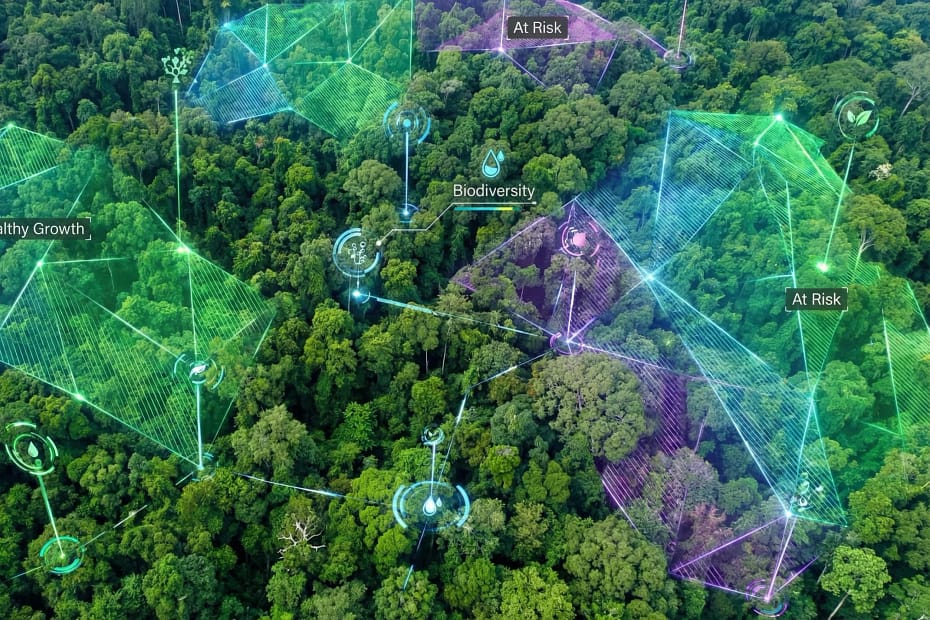
Innovative AI Solutions For Tree Conservation
Tree conservation is facing fresh challenges as climate patterns shift and forests are put under more pressure from urbanization, illegal logging, and disease. New technology, especially artificial intelligence (AI), brings in tools that make this important work a lot more effective and easier to manage. In this article, I’ll share how next-level cool AI solutions are transforming tree conservation, what tools are out there, and how these technologies are actively helping both professionals and everyday people who care about trees.
AI’s Growing Role in Tree Conservation
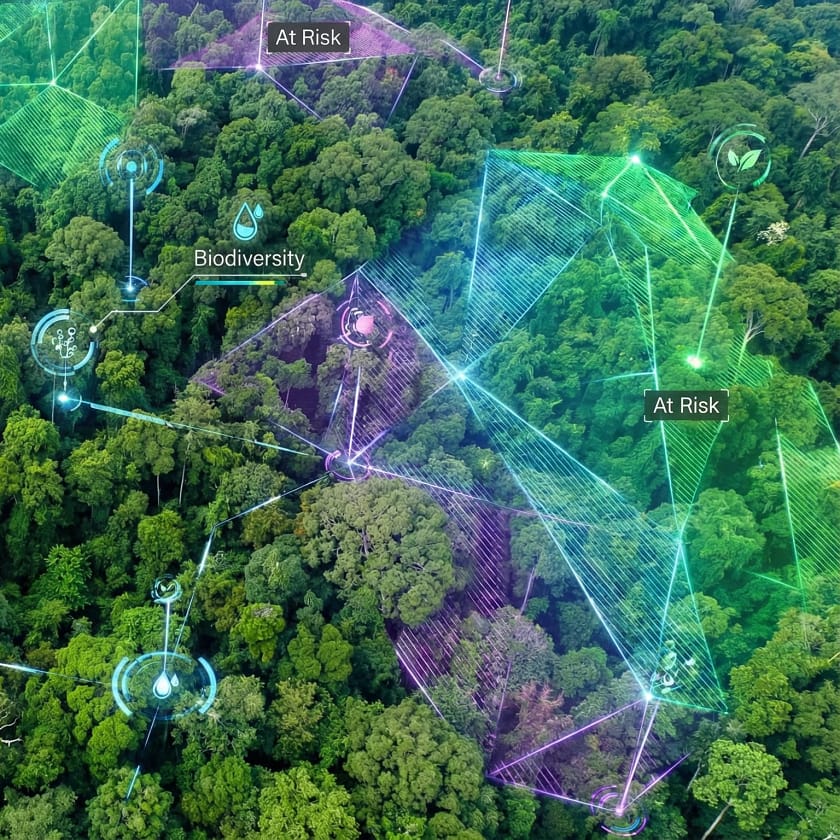
Forest management and tree conservation are no longer limited to manual surveys and ground-based monitoring. I’ve seen that the rise of AI is making data collection more accurate and analysis much faster. AI can sift through satellite imagery, drone feeds, and even sound recordings to spot problems, identify species, and suggest conservation steps. Recent trends show a clear move towards smart, data-driven forest stewardship. Reports indicate that AI-powered monitoring systems are now being used in several countries to alert teams to threats before they become major issues.
Historically, conservation depended on field workers walking long distances to document changes. Today, AI systems process continuous streams of data, making it possible to respond to fires, illegal logging, and disease outbreaks in near real-time. As this technology spreads, both governments and nonprofits are adopting AI tools to give their tree conservation programs a real boost.
Get Started with AI Tools for Forest Protection
Starting out with AI for tree conservation can feel technical. From my experience, though, getting a handle on the basics opens up new possibilities. There are userfriendly platforms designed for people without programming backgrounds. These platforms often combine tools for:
- Remote Sensing Analysis: AI-powered platforms can automatically interpret satellite images to check for tree loss, disease, or new growth patterns.
- Acoustic Monitoring: Sound sensors in forests can capture animal calls as well as chainsaws, then use AI to detect illegal logging or track species.
- Drone Assisted Surveys: Drones equipped with computer vision AI quickly scan large forest areas and highlight places where attention is needed.
Most systems include guides that help new users start projects, set up alerts, or review AI-generated reports. This practical approach makes AI tools accessible to forest rangers, researchers, and even volunteers with limited technical skills.
Step-by-Step Guide to Implementing AI for Tree Conservation
Using AI for tree and forest conservation involves several key steps, whether you’re protecting a city park or a national forest. Here’s how I would recommend getting things off the ground:
- Identify Conservation Goals: Decide whether you want to monitor biodiversity, spot illegal logging, or track tree growth.
- Select the Right Tools: Choose tech that fits your needs, such as acoustic sensors, drone software, or satellite data AI portals.
- Set Up Data Collection: Install sensors, schedule drone flights, or arrange for regular image retrieval where needed.
- Fine-tune AI Models: Use sample data to train or adjust your AI system so it knows what to look for in your specific landscape.
- Review and Respond: Check AI-driven alerts or reports regularly, then take action where issues are flagged.
These steps help make conservation activities run smoother, save time, and raise the odds of catching changes early. Choosing the right starting point based on your main concerns is super important for quick wins.
Challenges to Consider Before Relying on AI
Like any new approach, bringing AI into tree conservation comes with a few hurdles. Here are a few I’ve seen or encountered myself, along with ideas to work around them:
- Data Quality and Coverage: Gaps in satellite or drone imagery can mean missed events. Trying to line up sources from different providers fills in blanks.
- False Positives in Detection: AI sometimes mistakes one thing for another, such as confusing a fallen log with active logging. Regular human review helps fine-tune models.
- Cost of Devices and Software: While prices for drones and sensors are dropping, specialized AI software may still require investment. Grants or shared resources between groups can ease this burden.
- Training and Support: Team members need some guidance with new systems. Many software providers now offer short online tutorials or community support.
Data Quality and Coverage
AI’s real value depends a lot on having solid, up-to-date data. I’ve found that supplementing satellite images with drone footage, local sensors, or even images from citizen scientists gives AI tools a much broader view. Gaps in the data stream can lead to missed alerts, so finding ways to bridge those gaps is really important. For example, local communities often contribute with smartphone photos, which provide immediate updates, keeping the information stream fresh and helping AI tools spot changes more effectively.
AI Model Misidentification
Even advanced AI systems are still learning. Sometimes, animals, weather conditions, or fallen branches can be misread by the AI. Building in regular checks where human analysts review or confirm AI alerts helps avoid wasted efforts and ensures the focus stays sharp. Teams can set up weekly meetings where flagged issues are double-checked, refining the system over time.
Equipment and Software Cost
Start-up costs for introducing AI to conservation work can surprise newcomers. Investing up front in reliable hardware and maintaining licenses for top-tier AI platforms adds up. I often suggest teaming up with other conservation groups or universities to split costs. Group subscriptions or loan programs can help bring these tools within reach. Keeping track of community grants and tech companies’ donation programs can also make a big difference in funding important projects.
Training and Onboarding
Learning how to use new technology adds another layer to the already complex work of conservation. Luckily, most companies now provide easy-to-follow guides or hands-on demo sessions online. I recommend going through at least one run-through before deploying new AI gear in the field. Building peer support groups within conservation teams is another way to help everyone stay on the same page when using unfamiliar tools.
Solving these bumps along the road usually just takes good planning and open communication. As experience grows, so does confidence in blending tech with on-the-ground conservation. Over time, teams start to share their own best practices, and each new project is a bit smoother.
Practical Tips to Get More from AI Conservation Tools
Once the basics are under control, there are some practical ways to help AI do even more for tree conservation efforts. Here are a few I’ve picked up from my own use and from talking to researchers:
Combine Data Sources: Using satellite, drone, and ground sensors together gives AI a more complete view of what’s happening in the forest. Citizen scientists can also join by adding their photos and observations, which makes the dataset more detailed and current.
Keep Models Up to Date: Refreshing AI tools with recent field data or local species lists helps reduce errors and makes detection smarter. Teams who regularly update their reference data report better accuracy.
Share Outcomes with the Community: Publishing findings or alerts encourages others to help, especially for things like illegal logging that need fast community response. Some groups set up public dashboards or use social media to keep neighbors in the loop.
Build Partnerships: Joining forces with tech experts, universities, or government agencies can unlock bigger projects and new features. For instance, city officials might add air quality data to tree health reports, giving a clearer picture of environmental changes.
With just a little extra effort, these tips can help turn AI from a background assistant into a driving force in saving local forests. Community-driven projects tend to have more long-term success and higher rates of engagement, because everyone feels included.
Where AI Makes a Real Difference? Conservation in Action
There are already lots of real-world examples showing how AI is actively supporting tree conservation.
- Biodiversity Tracking: In Brazil, AI reviews thousands of animal sounds daily, helping pinpoint endangered species and track down new habitats.
- Fire Detection: AI alert systems in Australia scan satellite data for heat signatures, warning rangers about wildfires before smoke is even spotted on the ground.
- Illegal Logging Detection: Kenya’s forests benefit from AI-powered sensors that automatically send alerts when machinery noises are identified, allowing for quick response.
- Urban Tree Health: City trees in parts of the US are being monitored by AI through drone and camera feeds to track disease or pest outbreaks, helping crews act faster.
Each of these cases shows AI moving from theory to real results. From tropical forests to city parks, smart technology is making old wish lists possible. For example, I’ve seen firsthand how an urban tree health monitoring app flagged a sudden disease outbreak, allowing city crews to step in faster than they would have with yearly checks.
Frequently Asked Questions
Here are some common questions people have about using AI for tree conservation:
Question: Can small organizations get started with AI on a tight budget?
Answer: Yes. Many open source tools and discounted academic licenses are available. Joining up with colleges or nonprofits can help access more advanced AI solutions. Platforms like TensorFlow and QGIS are free and offer robust functionality for conservation use.
Question: How is AI better than older methods of forest monitoring?
Answer: AI cuts down on manual labor and processes huge amounts of data quickly. It finds patterns or problems that people can miss, making response times much faster. Plus, it keeps records organized over time, so you can see long-term trends and make better decisions.
Question: Is technical expertise required to use AI tools in tree conservation?
Answer: Basic knowledge is helpful, but many tools are now designed for easy use by rangers and volunteers. Most systems come with tutorials and customer support, so you don’t have to be an expert to get started. As you gain confidence, you can try more advanced features, but the entry level options work well for beginners.
Final Thoughts on AI and the Future of Tree Conservation
AI is helping people act faster and smarter to protect forests and even single trees. The tools available today let conservationists, cities, and interested citizens monitor and manage green spaces with far more accuracy. With the right mix of training, tools, and teamwork, AI-driven conservation opens up new ways to care for nature for generations to come.
If you’re ready to help trees thrive using new technology, starting small and learning as you go is the best first step. As you build skills and connections, AI can become one of your strongest allies in keeping forests healthy, diverse, and resilient.
Botanicus Plus a GPT for starters and experts
Botnicus Plus boasts an array of new features, enhancing its global appeal and user interaction. These include: 1) Multilingual Support for accessibility in various languages. 2) Virtual Tours of famous botanical gardens and historical plant sites. 3) A Botanical Identification Tool for users to upload and identify plants. 4) Seasonal Guides and Tips tailored to local climates and regions. 5) Opportunities for users to engage in Collaborative Projects and Citizen Science Initiatives. 6) Advice on Sustainable Gardening Practices. 7) Interactive Q&A Sessions with botany experts. 8) Personalized Plant Care Reminders for gardeners. These features enrich Botnicus Plus’s mission to provide comprehensive, interactive, and culturally rich botanical education, fostering a deeper connection with the natural world.
Enjoy!👒
Invest in your future
Take time to learn
Embark on your journey in affiliate marketing and website creation alongside an incredible community and myself. Invest in your future by dedicating time to learn and earn. Take all the time you need to master the basics before aiming higher. Give it a try and sign up for free. You won't regret it! Discover the possibilities for yourself...