

How To Monitor Tree Health With AI
Keeping trees healthy has always been important for anyone who works with green spaces, from foresters to city planners and homeowners. In the past, regular inspections meant physically visiting trees, which took a lot of time and sometimes meant early warning signs were missed. AI (artificial intelligence) is shaking up this process, making it easier and more accurate to track many trees at once. I’m going to explain how AI can help you keep an eye on tree health, what you need to get started, challenges you might face, and common questions about this new approach.
What Makes AI Useful for Monitoring Tree Health?
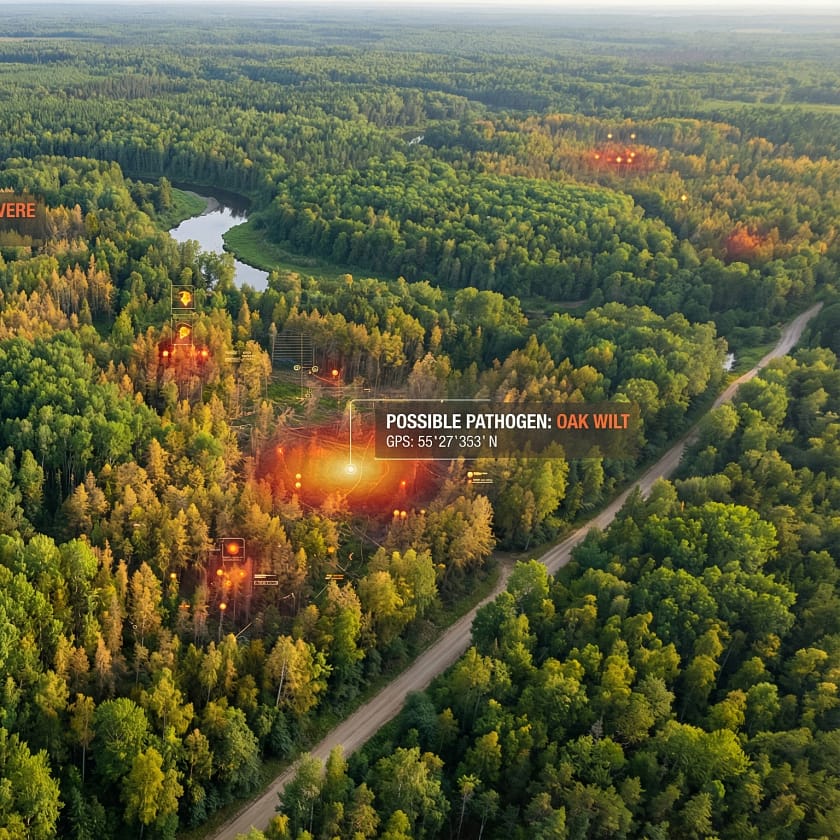
AI uses computer programs to look at data in ways that humans can’t easily do on their own. In tree health monitoring, AI can quickly process images and sensor readings to find signs of disease, stress, or damage. I’ve seen city park managers who use AIpowered drones or satellites to scan thousands of trees in a single day. This means problems like drought, pests, or nutrient shortages get noticed earlier, helping trees recover before things get out of hand.
Not only can AI help with big forests, but it’s starting to show up in smaller projects too. Homeowners or small landscaping companies can benefit by using smartphone apps or sensors that collect and share data with online platforms powered by AI. When trends begin to show, these tools send alerts or give advice on what steps to take.
Get Started with Tools and Platforms for AI-Powered Tree Monitoring
Jumping into AIbased tree monitoring begins with getting the right equipment and software. There are several main options for gathering the data that AI needs:
- Drones: These flying devices can carry special cameras that see heat, light, and even chemical signals from leaves and bark. The drone flies over trees, takes pictures or videos, and AI analyzes this to spot patterns of health or trouble.
- Ground Sensors: Sensors are placed near tree roots or on branches. They might measure soil moisture, temperature, sap flow, or chemical levels in the air. This data is shared with a central system where AI checks for anything unusual.
- Satellite Imagery: High-resolution satellite photos give a bigpicture view, allowing AI to spot areas where trees are declining even before the damage is obvious to the naked eye.
- Smartphone Apps: Some tools let you snap a photo of your tree and get feedback from AI about possible issues like leaf spots, yellowing, or dieback.
Most platforms work by training their AI with thousands of examples of healthy and unhealthy trees. This “training” helps the AI get better at spotting problems as more data comes in. Platforms like TreeSpec, PlantVillage, and IBM’s PAIRS Geoscope are used by professionals, while simpler apps or camerabased solutions help everyday users get started without a big investment.
Some advanced systems also let users set custom thresholds for alerts, so you only get notified about issues that matter most for your trees or region. Open-source projects are gaining traction, making AI tree health monitoring even more accessible for nonprofits and researchers on tight budgets.
Step By Step Guide to Monitor Tree Health With AI
Monitoring tree health with AI involves a mix of hardware and software, plus some regular habits. Here’s how I break down the process:
- Pick Your Monitoring Method: Choose from drones, ground sensors, satellite imagery, or a mobile app, depending on your resources and the area you want to cover.
- Collect the Data: Use your tool of choice to gather information. This might mean flying a drone overhead every month, checking sensor readings online, or taking regular smartphone photos.
- Upload and Process Data: The data is fed into the AIpowered platform. Some systems do this automatically, while others require manual uploads.
- Check the Results: The AI analyzes the information, looking for indicators like changes in leaf color, branch thickness, canopy density, or stress markers in the heat or chemical readings.
- Take Action on AI Alerts: If the system flags problems, it will usually recommend steps to investigate or treat the issue. Acting quickly is really important since some problems like pests or disease can spread fast.
Combining these steps lets you create a steady flow of information about your trees. I find this approach reassuring since it reduces the chance of missing something important, especially during busy seasons.
If you are managing a larger area, it helps to map out zones and schedule monitoring on a rotating basis. This way, no area gets overlooked, and you can compare sections efficiently over time. Integrating your AI platform with GIS (geographic information system) tools can make this mapping and scheduling process a breeze.
Challenges and What to Watch Out For
Moving to AIbased monitoring isn’t without its hurdles. Here are some common bumps in the road you might face, and how to deal with them:
- Data Quality Issues: If cameras are dirty or sensors aren’t installed properly, results can be misleading. Regularly cleaning equipment and checking settings helps avoid false or missed alerts.
- Internet Connectivity: Many AI systems depend on cloud processing, which needs a solid internet connection. For remote woodlands or rural areas, portable internet hotspots or systems that can store and upload later are handy.
- Learning Curve: Setting up platforms and understanding what reports mean can be tricky at first. I always suggest starting with smallscale tests before rolling out to larger projects.
- Privacy and Data Security: Collecting images or data from private properties can raise concerns. Make sure to get permission where required, and choose platforms with good privacy policies.
Fighting Bias
AI systems can only be as good as their training. If all their examples come from one region or tree species, the advice might not be accurate for someone else’s forest. I recommend looking for platforms that update their learning regularly and include data from a wide range of sources.
Costs
There can be costs associated with drones, sensors, or platform subscriptions. Weigh what you’re likely to save in early disease detection or by avoiding fullscale tree loss. Many tools offer free trials or starter plans, which lets you test things out before making a commitment.
It’s also possible to partner with local universities or community science projects to help offset costs while getting access to top notch technology. Grants for sustainability and forestry projects often include funding for innovative tree health monitoring as well.
With a good understanding of these challenges, you can prepare and avoid surprises as you start using AI to monitor tree health.
Pro Tips For Getting The Most Out Of AI Tree Monitoring
Once you have the basics down, a few habits and tricks can help you get better results and make the most of your investment:
Mix AI with Manual Checks: Even with the best software, a quick inperson inspection from time to time helps catch things technology might miss.
Monitor Through the Seasons: Trees change a lot over the year. Keeping a steady watch, even when things seem quiet, leads to better yearoveryear comparisons and more reliable alerts.
Keep Updating Photos and Data: Whenever possible, make sure your data stays recent. Old or outdated photos may not reflect the realtime health of your trees.
Use AI as an “Early Warning” System: Treat AI as your assistant, not your only source of information. When you get alerts, use them as a chance to take a closer look or call in an expert.
Don’t forget to set calendar reminders for regular data collection and review. Many platforms now allow automatic reminders, which can make life easier and ensure nothing is overlooked.
Collaborating with neighbors or local groups can also lead to shared insights and improved detection. When more eyes and more data are fed into an AI system, it generally means better results and more robust alerts.
Practical Applications? Who Benefits From AI Tree Health Monitoring?
The range of people and organizations who can benefit from AI in this field is always growing. Here are a few examples:
- Parks and City Planners: Monitoring street and park trees across neighborhoods helps keep cities greener and reduces stormrelated tree failures.
- Forest Managers: Tracking disease outbreaks or drought signs across thousands of acres is quicker and more precise.
- Researchers: Collecting years of data supports studies on climate impact, biodiversity, and ecosystem health.
- Homeowners and Gardeners: Keeping favorite shade trees or backyard orchards healthy is easier with easy AIbased tools.
In my own experience, using AI platforms has helped spot dying limbs in backyard oaks before they became a risk. City staff I’ve talked to say they’ve saved entire rows of trees by spotting disease in early stages, allowing for targeted treatment instead of wide removal.
Landscape architects, arborists, and even schools now use AI monitoring to give students hands-on experience with technology while building environmental awareness. Growing communities are leveraging AI to ensure new plantings thrive as cities expand and climate conditions become more unpredictable.
Frequently Asked Questions
Question: Can AI detect all types of tree disease or problems?
Answer: AI systems keep getting better, but some rare or newly emerging diseases are harder to spot unless updates include samples from them. It’s still a good idea to combine AI insights with advice from a certified arborist when you’re unsure.
Question: Are drones or sensors required, or can I use just my phone?
Answer: Many platforms now accept simple smartphone photos. Drones or sensors give a bigger-picture view or more detail, but mobile apps are great for spot checks and small numbers of trees.
Question: How often should I run an AI analysis on my trees?
Answer: The answer depends on the situation. For high-value or atrisk trees, monthly checks work well. For home properties, every few months or before and after major weather events makes sense.
Question: Is AI tree monitoring suitable for organic or pesticide-free gardens?
Answer: Yes, AI assists early detection, allowing for environmentally friendly interventions before issues require drastic measures. This supports organic gardening and sustainable practices.
Final Thoughts On Using AI For Tree Health
Switching to AIpowered monitoring has made it much easier for me to keep tabs on tree health without losing so much time to manual inspections. Early detection and targeted care mean fewer surprises and a better environment all around. Whether managing a single backyard or a whole city’s greenspace, AI brings confidence and convenience to anyone who cares about trees. As technology keeps moving forward, expect even more accessible, accurate, and feature-rich solutions in the near future. Keeping trees healthy has never been so proactive—now is the best time to start putting these tools to work for your green spaces.
Botanicus Plus a GPT for starters and experts
Botnicus Plus boasts an array of new features, enhancing its global appeal and user interaction. These include: 1) Multilingual Support for accessibility in various languages. 2) Virtual Tours of famous botanical gardens and historical plant sites. 3) A Botanical Identification Tool for users to upload and identify plants. 4) Seasonal Guides and Tips tailored to local climates and regions. 5) Opportunities for users to engage in Collaborative Projects and Citizen Science Initiatives. 6) Advice on Sustainable Gardening Practices. 7) Interactive Q&A Sessions with botany experts. 8) Personalized Plant Care Reminders for gardeners. These features enrich Botnicus Plus’s mission to provide comprehensive, interactive, and culturally rich botanical education, fostering a deeper connection with the natural world.
Enjoy!👒
Invest in your future
Take time to learn
Embark on your journey in affiliate marketing and website creation alongside an incredible community and myself. Invest in your future by dedicating time to learn and earn. Take all the time you need to master the basics before aiming higher. Give it a try and sign up for free. You won't regret it! Discover the possibilities for yourself...