


AI And Carbon Sequestration
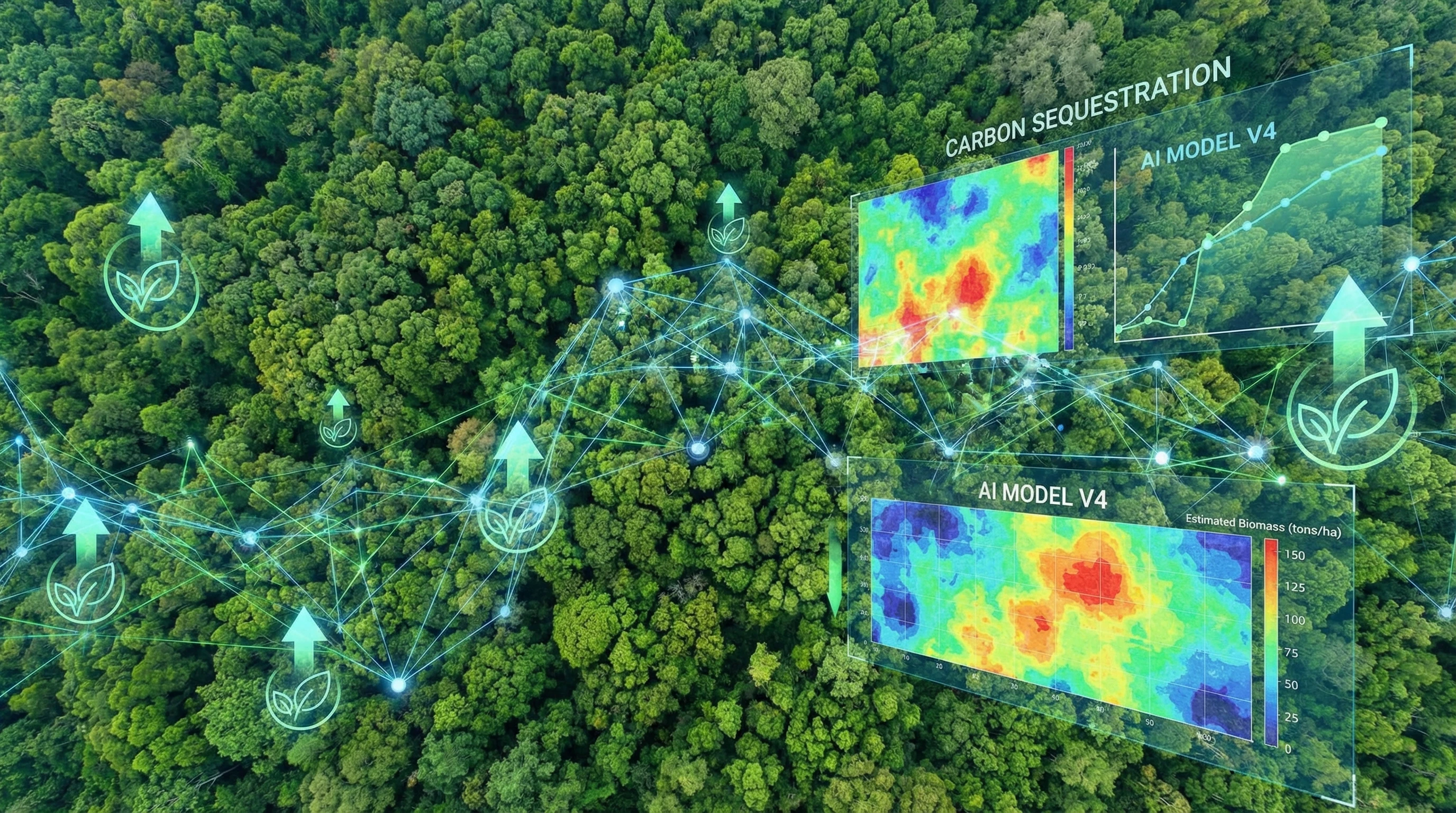
Interest in carbon sequestration has grown as more people look for ways to address climate change. Carbon sequestration involves capturing carbon dioxide (CO2) from the atmosphere and storing it in natural reservoirs like forests, soil, or oceans, or in engineered facilities underground. I often see questions about how artificial intelligence (AI) might improve these efforts. So, in this article, I’ll explain how AI helps carbon sequestration, break down the key technologies, and share some real-world examples.
Understand the Basics of Carbon Sequestration and AI
Before getting into how AI can help, it’s important to know what carbon sequestration actually means. Sequestration can happen naturally, for example, when trees draw down CO2 and save it in their trunks, branches, and roots. Farmers can also store more carbon by using certain soil management techniques. There are also engineered methods, like direct air capture, which pulls CO2 straight from the air and stores it underground. These strategies, when done right, lower the total greenhouse gases warming the planet.
AI, or artificial intelligence, describes software and systems that process data, learn patterns, and make decisions or forecasts. AI generally gets used for tasks that involve huge datasets or repetitive analysis. In the case of carbon sequestration, this could mean tracking where and how much carbon is being stored, predicting how projects might perform, or spotting mistakes early. Using AI for these jobs allows experts to handle much larger amounts of information faster and more accurately than with manual labor alone.
How AI Supports Carbon Sequestration Projects
Managing and measuring carbon sequestration projects takes a lot of data collection and analysis. I have found that AI can really shine by automating several key tasks, helping save time and improve outcomes. Some of the most important applications include:
- Remote Sensing and Satellite Data: AI software can study satellite images to track changes in forests, wetlands, or farmland. This helps reveal where carbon is being drawn down or lost over time. AI can quickly sort through thousands of satellite pictures to spot trends that would take humans much longer to analyze.
- Predicting Carbon Storage: AI models can predict how much carbon various plants or soil types will store in the future based on current growth rates and local conditions. This is helpful for land managers or policymakers who need to plan restoration projects or evaluate new methods.
- Optimization of Land Management: AI can recommend the best ways to manage forests, farms, or wetlands to maximize carbon drawdown. It considers weather, water needs, crop or tree species, and economic factors. By examining these variables, AI can help land managers make smarter decisions for both sustainability and profits.
- Error Detection and Data Validation: AI tools can help catch errors in carbon accounting or measurement, flagging when something looks off or when new measurements don’t match expected results. This immediate feedback gives project teams confidence in their reporting and can help avoid costly mistakes.
AI is also being used to automate repetitive monitoring tasks, freeing up experts’ time for solving more complex challenges. By integrating sensors, drones, and real-time analytics, managers now access alerts when conditions change abruptly. Having these capabilities means faster responses when projects need adjustments.
Get Started? Steps for Using AI in Carbon Sequestration
Anyone interested in combining AI and carbon sequestration will find it’s more than just setting up software. I want to outline the main steps involved in making it work:
- Identify the Data Needed: Collect information about carbon stocks, land cover, weather, soil, or crop type before anything else. Good input data makes AI models much more reliable.
- Select the Right AI Tools: Different projects call for different approaches. Some use machine learning, which finds patterns in data; others use deep learning, which works well for images or complex tasks. Picking the right tool depends on the problem you want to solve.
- Validate Results: Always check AI predictions or findings using field measurements or trusted datasets. This is super important for making sure AI models are performing accurately in the real world.
- Monitor and Update Models: Conditions change over time, as forests grow, climates mix it up, and new management practices come online. AI models need regular updates based on new data to stay useful and accurate.
Getting these basics right can set up any carbon sequestration project for better long-term success using AI. Starting small with pilot projects, building expertise, and scaling up as confidence grows is a smart way to make the most out of AI in environmental management.
Points to Weigh Before Using AI in Sequestration Projects
Even though AI opens up a lot of new options for carbon sequestration, it’s not a perfect fix. I’ve noticed a few things you should really consider before fully relying on AI for these projects:
- Data Quality: Poor or incomplete data can lead to misleading predictions. Consistent, high-quality input data improves outcomes and helps avoid mistakes that can affect both credibility and funding.
- Model Transparency: Some AI systems can be like a black box, making them hard to understand from the outside. When tracking climate goals, it’s really important to know how decisions are made in order to provide accountability for all parties involved.
- Scalability: Not every AI solution works well at a large scale. It’s one thing to analyze fields on a single farm, and another to track a whole continent’s forests. Assess if your tools will work as you expand.
- Costs and Technical Skills: Setting up and maintaining AI models isn’t free and sometimes takes people with pretty specialized training. Budgeting for these resources early keeps things running smoothly and guards against unexpected setbacks.
Data Quality Concerns
Accurate and recent data are the backbone of AI-driven carbon sequestration. I’ve seen cases where models built on outdated or incomplete records give estimates that are way off. For landowners or governments trying to meet climate targets or earn carbon credits, these mistakes can be costly. Putting time into strong data collection methods really pays off and strengthens every other part of the project.
Model Transparency
Some advanced AI systems, especially deep learning, might not easily reveal how they reached a specific conclusion. For land managers and regulators, being able to explain results to others is really important. Choosing more transparent models or requiring clear reporting alongside AI predictions helps boost credibility and trust. This openness also builds partnerships among organizations working toward shared environmental results.
Scaling Up
Tools that work for a single plot of land might not be ready to handle the huge datasets from entire regions or nations. Planning for how data sources, internet connections, and computer processing power will evolve as you grow helps avoid surprises down the line. Setting up scalable data systems early can smooth the way as new sites or technologies are added.
Cost and Skills Requirements
Running sophisticated AI models usually needs people familiar with programming, data science, or remote sensing. Training staff or joining forces with outside experts is sometimes unavoidable. Factoring in these costs avoids headaches when you’re scaling up operations or troubleshooting errors. It can also help attract long-term support and investment in the project.
Most of these issues can be handled by thinking ahead and being ready to invest in the right support and training.
Advanced AI Methods That Make a Difference
After learning the fundamentals, I’ve found some more advanced applications taking shape in carbon sequestration today:
Neural Networks for Image Analysis: These AI models process thousands of images from satellites, drones, or airplanes and quickly map out forest cover, plant health, or soil condition. This helps field crews target their work and saves time spent on manual mapping.
Predictive Modeling for Carbon Forecasting: By feeding weather trends, plant growth records, and historical land use into powerful AI tools, forecasts of carbon storage years or even decades into the future become sharper. Managers can stress-test different strategies before picking an approach, helping to minimize risks and reach targets more confidently.
Automated Error Correction: AI is also used to catch outliers or errors in field measurements, correcting them before they throw off public reports or financial transactions. This proactive problem-solving adds reliability to the process.
Staying up-to-date on these developments gives project managers a real advantage over relying only on older, slower ways of working. As more groups track down new approaches, they’re finding better ways to save time, make the most of resources, and step up overall project quality.
Common Questions About AI in Carbon Sequestration
Here are some questions I often get from people new to this subject:
Can AI increase the speed of carbon sequestration projects?
Answer: AI mainly helps by speeding up measurement, planning, and monitoring. The actual pace of carbon storage still depends on natural processes or tech like direct air capture, but smarter management can get more projects started and avoid delays.
Is AI expensive to implement in carbon projects?
Answer: Software costs vary a lot. Open source options cost less, while more complex or custom-made systems are pricier. Training and maintenance add to the cost. Factor these in when budgeting to prevent going over budget later on.
Do AI models need constant updates?
Answer: Most should be refreshed as new data comes in or when trends change. Regular updates help keep predictions accurate, especially in fast-changing settings. This also lets you make adjustments faster if something unexpected pops up.
Examples Where AI Has Made a Real Impact
To make this less abstract, here are a couple of cases showing AI in action:
- Managing Forest Carbon in Brazil: AI tools paired with satellite data track illegal logging and help target field inspections. These efforts have saved thousands of acres of trees and provided more reliable data for carbon credits.
- Predicting Soil Carbon in the US Midwest: AI-driven predictions built from historical crop data and sensor readings now guide where farmers can boost soil carbon. This has led to smarter fertilizer use and higher carbon storage rates.
These examples make it clear that AI is about more than just crunching numbers. It’s already changing how teams manage real-world projects and recover lost carbon stocks. The shift toward smarter management opens up fresh opportunities for innovation across conservation, agriculture, and related sectors.
What to Watch For As AI and Carbon Sequestration Grow Together
AI continues to get more powerful, and the need for better carbon sequestration isn’t going away. As governments, companies, and communities look for new solutions, I expect to see more funding, research, and real-life projects at the intersection of these fields.
Better collaboration across technology, land management, and environmental science is one trend to follow. More shared data platforms, open source AI tools, and clear rules for measuring carbon will make it easier to grow new projects. I’m also keeping an eye on new educational programs that help train more people to apply these digital tools in practical ways.
Pairing AI with carbon sequestration, when done thoughtfully, adds up to a smart step forward for both the planet and for professionals trying to make a difference in the field. As digital solutions grow more integrated, those leading projects will be able to tap into resources, data, and expertise like never before—and that bodes well for making a measurable impact on our climate goals.
Botanicus Plus a GPT for starters and experts
Botnicus Plus boasts an array of new features, enhancing its global appeal and user interaction. These include: 1) Multilingual Support for accessibility in various languages. 2) Virtual Tours of famous botanical gardens and historical plant sites. 3) A Botanical Identification Tool for users to upload and identify plants. 4) Seasonal Guides and Tips tailored to local climates and regions. 5) Opportunities for users to engage in Collaborative Projects and Citizen Science Initiatives. 6) Advice on Sustainable Gardening Practices. 7) Interactive Q&A Sessions with botany experts. 8) Personalized Plant Care Reminders for gardeners. These features enrich Botnicus Plus’s mission to provide comprehensive, interactive, and culturally rich botanical education, fostering a deeper connection with the natural world.
Enjoy!👒
Invest in your future
Take time to learn

Embark on your journey in affiliate marketing and website creation alongside an incredible community and myself. Invest in your future by dedicating time to learn and earn. Take all the time you need to master the basics before aiming higher. Give it a try and sign up for free. You won't regret it! Discover the possibilities for yourself...