
AI For Urban Tree Management
Urban tree management is getting a lift from artificial intelligence (AI). Healthy trees help clean the air, lower city temperatures, manage stormwater, and create a more pleasant environment for everyone. As someone who’s spent time talking with city arborists and researching city planning, I can see why using AI is becoming a smart choice for caring for urban trees. In this article, I’m going to explain how AI fits into urban tree management, what basic tools and data are involved, the benefits and challenges, and answer some common questions that come up when cities consider using AI for this important job.
How AI is Changing Urban Tree Management
Caring for urban trees involves monitoring their health, knowing where they are, planning new plantings, and responding quickly to disease or storm damage. In the past, cities often relied on manual field inspections and paperbased records. I’ve seen how this leads to missed issues and slow response times, especially when storms hit or new pests threaten a city’s trees. AI speeds up these jobs by analyzing large amounts of data from various sources, spotting patterns that might go unnoticed, and recommending actions to keep urban forests healthy and thriving.
A 2023 report by the Nature Conservancy highlights that urban tree programs using AI achieved up to 40% better accuracy in identifying tree species from aerial imagery compared to manual surveys (Nature Conservancy, 2023). That kind of boost saves cities both time and money while helping trees stay healthier.
Understand the Basics? What Data and Tools Does AI Use?
AI for urban tree management combines a few key building blocks. If you’re new to this idea, I’ve noticed the following are always at the center:
- HighResolution Aerial Imagery: Drones, satellites, and airplanes provide up to date photos of city landscapes. AI software scans these images to find tree canopies, measure their size, and check for changes over time.
- Geographic Information Systems (GIS): GIS lets cities map trees in relation to roads, buildings, and utility lines. With AI, this data gets updated as trees are planted, pruned, or removed.
- Remote Sensors: Sensors on trees measure soil moisture, temperature, and other conditions. AI quickly spots patterns showing which trees might need attention.
- Public Data and Field Inputs: Tree inventories, pest reports, pruning schedules, and even complaints from residents feed into the AI system. This mixing of field and digital data gives a more complete picture than either could on its own.
Imagine a city the size of Chicago, with over 500,000 street trees. Manually checking each tree every year is almost impossible. AI reviews aerial images and sensor data and flags issues for humans to doublecheck, which makes the whole process much more manageable.
StepbyStep Guide? Use AI for Urban Tree Management
Adopting AI can feel like a big switch up for city managers and urban foresters. I’ve broken down the process into several easy to understand steps that echo what many leading urban forestry programs have done:
- Set Clear Goals: Is your city trying to reduce storm damage, boost canopy coverage, or spot disease outbreaks? Knowing your main focus makes it easier to choose the right AI tools.
- Collect and Prepare Data: Gather imagery, inventory lists, sensor data, and notes from your field teams. Clean up and organize this data so it’s ready for an AI system to use.
- Choose an AI Solution: Some cities build their own software, but many use commercial platforms like OpenTreeMap or TreePlotter. It’s important to choose one that fits your goals, budget, and technical abilities.
- Train and Test the AI Model: The system learns by comparing its findings against known data. For example, does it correctly identify species and spot trees in trouble?
- Act on the Insights: Once the AI highlights risks or suggests actions, urban forestry teams step in. This could mean dispatching crews to treat sick trees, plan watering, or schedule new plantings.
- Monitor and Improve: After each cycle, the AI can be adjusted based on what worked and what missed the mark. This kind of feedback loop helps the model get better over time.
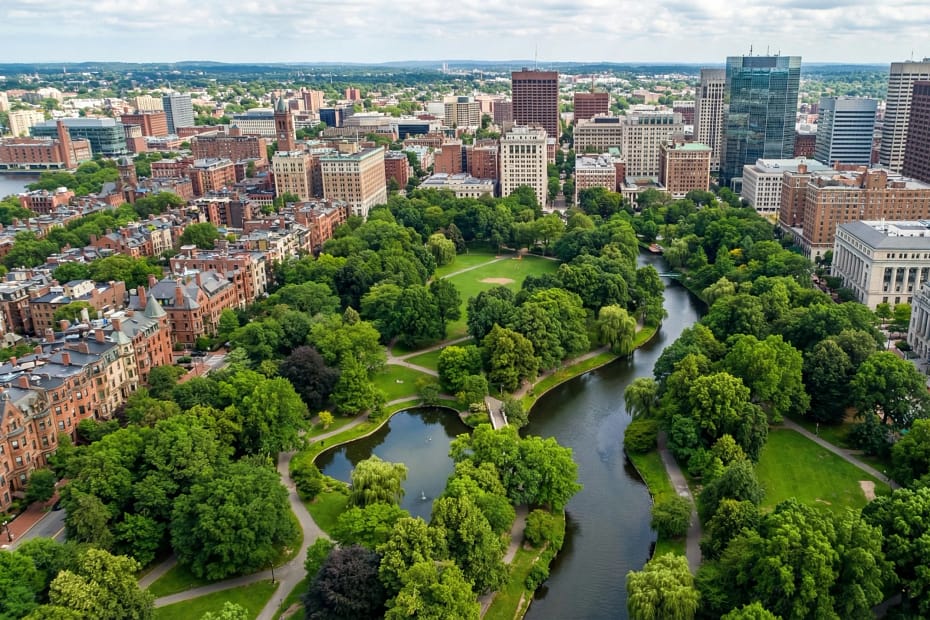
I’ve seen cities like Boston ramp up new tree planting programs using AI models that suggest ideal streetscapes for future shade or flood prevention. This approach takes the guesswork out of where tree investments will have the biggest impact.
What to Keep in Mind Before Investing in AI for Urban Tree Programs
AI brings a lot of promise, but urban forestry managers still face a few roadblocks and decisions. Here are some points I believe everyone should think about:
- Quality and Coverage of Data: If aerial images are old or blurry, the AI might make mistakes. Keeping data current and complete helps avoid these errors.
- Integration with Existing Systems: Many city departments run on legacy software. Bridging AI and older systems sometimes requires extra work and technical help.
- Privacy and Security: City data on tree locations and private yards can raise privacy concerns. It’s really important to have clear data management policies.
- Cost: AI isn’t free. Smaller cities often join regional partnerships or seek grants to help cover expenses. Finding the right model for your city’s budget makes financial sense.
Keep Data Current and Accurate
I’ve seen firsthand that outdated records and missing data can weaken an AI’s performance. Scheduling regular imagery updates at least every couple of years and encouraging field crews to note new plantings or removals keeps the AI as accurate as possible.
Choose the Right AI Platform
The world of urban tree management software has grown quickly, and not all systems fit every city. Some platforms work best with certain types of imagery, while others integrate more easily with citywide GIS systems. I always recommend having a small team test several systems before signing any contracts.
Budget for AI
The expense of setting up an AI solution can range widely, from a few thousand dollars for simple monitoring up to hundreds of thousands for largescale, realtime systems covering entire metro areas. Pooling resources with a neighboring city or college can help spread out these costs.
Keeping an eye out for new funding sources is important. Federal grants and private foundations sometimes offer support for smart city or green infrastructure projects. Applying to those can give your urban forestry efforts a financial boost that lowers the upfront investment needed, especially for pilot programs or new technology tests. Many smaller communities join statewide or regional coalitions aimed at greening cities, which often gives them better access to AI-powered tools and training with shared costs. So it pays to network beyond your local area.
Tips and Tricks to Get the Most Out of AI Tools
I’ve worked with city analysts who shared a few helpful strategies for squeezing the best results from their AI tools for trees:
- Combine Data Types: Aerial photos, field inspections, and climate records used together catch more issues than relying on a single source.
- Schedule Regular Training: Keep the team up to date on new system features and best practices. A welltrained arborist can spot when the AI misses something, ensuring better outcomes.
- Share Reports With the Public: Sharing dashboards or updates on how urban trees are being managed can increase citizen support and interest.
- Automate Routine Tasks: Let the AI handle routine inventory updates so field crews can focus on specialized work like caring for highpriority trees.
- Encourage Community Involvement: Inviting feedback from local residents who experience the tree canopy daily can help groundtruth AI outputs and catch what the algorithms might miss. Hosting public input sessions or inviting community groups to “adopt” local trees has proven successful for several city programs. Pairing technology with direct local insight often leads to the most resilient urban forests.
Staying open to new tools has helped me learn a lot in my own work. Each city and project is a little bit different, but trying out a combination of ideas is a good way to keep your program effective.

Common Questions About AI in Urban Tree Management
If you’re just getting started or are trying to explain AI for tree care to your team or community, these are some practical questions that I hear most often:
How accurate are AI models at finding sick or dying trees?
Most systems get 85–95% accuracy with highquality photos and ground truthing. Expert review remains really important for final decisions.
Can AI help with planting more trees in neighborhoods that lack shade?
AI can analyze city blocks to spot where tree canopy is missing and recommend the best spots for new planting, making it much easier to address heat or air quality concerns.
Do all cities need expensive equipment to use AI?
No, many platforms run on standard laptops and can use freely available images from public satellites. Advanced features may require drones or better cameras, but there are affordable ways to start small.
Is AI reliable during emergencies like storms?
AI models can highlight areas most at risk before a storm and map damage from aftermath images quickly, making response faster. Human crews are still needed on the ground, but AI saves a lot of valuable time.
RealWorld Examples of AI in Urban Tree Management
I’ve seen some inspiring examples of AI at work. In Melbourne, Australia, the city uses AI to scan monthly aerial images and spot new pest outbreaks before they become widespread. In New York City, a project uses sensors and AI algorithms to predict which trees need extra watering during heat waves, reducing water waste and protecting trees. These examples show how tailored strategies and good data can turn AI into a practical everyday tool for any large or small urban forestry team.
Urban trees are a living part of the city’s health and wellbeing. With AI, I’ve found that teams can spend less time on tedious surveys and more time on planning and handson care. The combination of technology and nature is helping cities deliver greener streets and healthier neighborhoods for everyone.
Botanicus Plus a GPT for starters and experts
Botnicus Plus boasts an array of new features, enhancing its global appeal and user interaction. These include: 1) Multilingual Support for accessibility in various languages. 2) Virtual Tours of famous botanical gardens and historical plant sites. 3) A Botanical Identification Tool for users to upload and identify plants. 4) Seasonal Guides and Tips tailored to local climates and regions. 5) Opportunities for users to engage in Collaborative Projects and Citizen Science Initiatives. 6) Advice on Sustainable Gardening Practices. 7) Interactive Q&A Sessions with botany experts. 8) Personalized Plant Care Reminders for gardeners. These features enrich Botnicus Plus’s mission to provide comprehensive, interactive, and culturally rich botanical education, fostering a deeper connection with the natural world.
Enjoy!👒
Invest in your future
Take time to learn
Embark on your journey in affiliate marketing and website creation alongside an incredible community and myself. Invest in your future by dedicating time to learn and earn. Take all the time you need to master the basics before aiming higher. Give it a try and sign up for free. You won't regret it! Discover the possibilities for yourself...