
How AI Helps Combat Deforestation
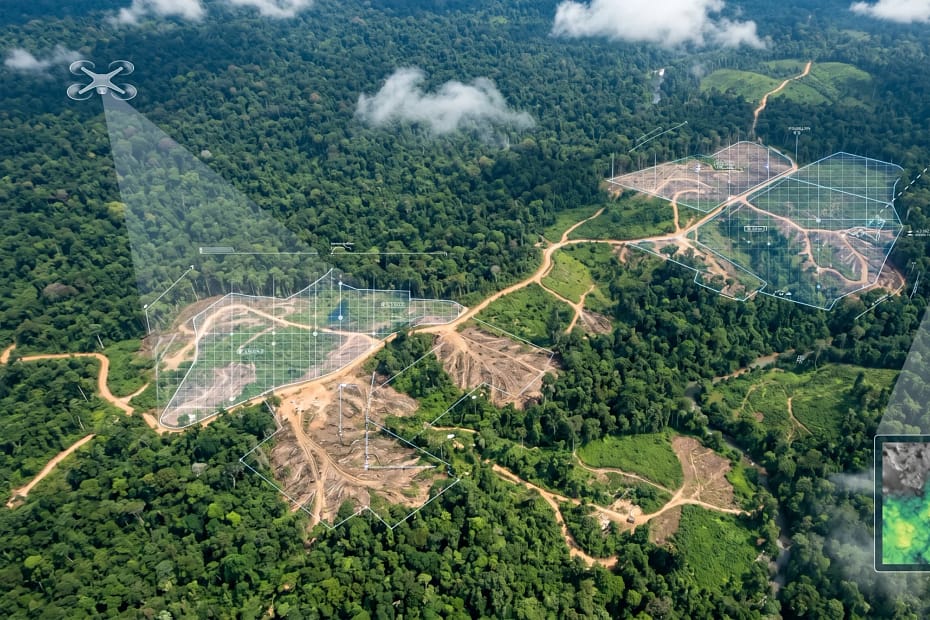
AI is stepping up in some pretty big ways when it comes to fighting deforestation. With forests disappearing all over the planet, tech like machine learning, drones, and satellite monitoring have turned out to be pretty handy for tracking, predicting, and even preventing illegal logging and land clearing. The great part is, you don’t need to be a scientist to get what’s going on. Here’s how AI is making a difference and some things worth knowing if you’re curious about how technology is working to keep our green spaces safe.
How AI Powered Tools Help Monitor Forests
Forests are seriously under threat, especially in places like the Amazon and parts of Southeast Asia. Being able to watch these massive areas constantly is tough for any person or team, but AI powered tools are really changing that. Computer vision and satellite imagery can now spot changes in tree cover super fast, giving everyone from conservation groups to governments a clearer idea of where action is needed.
AI can go through years of images, compare patterns, and flag when and where logging might be happening, sometimes even before it would get noticed by the human eye. The Global Forest Watch platform is a well known example that uses AI and big data to keep tabs on forest loss around the globe. It sends alerts pretty much in real time, so decision makers know where to pay attention.
Get Started With AI for Forest Protection
Jumping into AI for conservation isn’t just for techies. Plenty of the most popular tools are built for use by local communities, park rangers, and even small NGOs. These days, open source AI systems pull in data from drones, sensors, GPS devices, and satellites, making it way easier to get a clear picture of what’s happening in forests near and far.
The first step is usually getting reliable data. That might come from:
- Satellite Images: These help track changes in forest canopy over time, even in remote spots that are hard to access on foot.
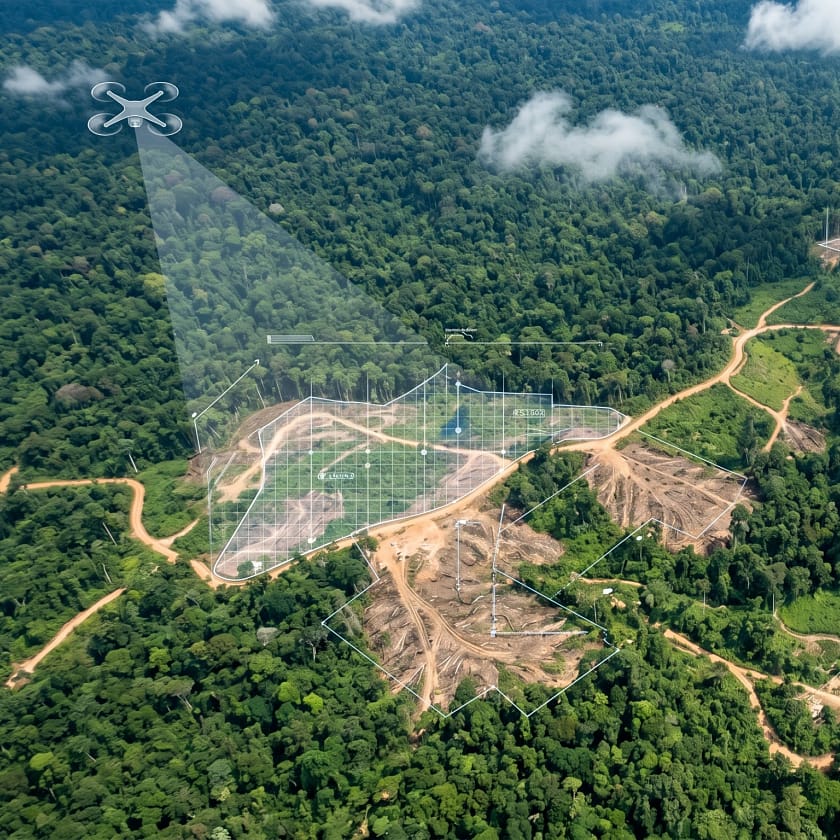
- Drones: Local teams can fly drones over tricky terrain to capture highres images and spot new logging roads, clearings, or fires.
- Acoustic Sensors: Some projects use microphones to listen for chainsaws or trucks, then feed those audio clues into AI detectors to catch illegal activities right away.
With these data sources, AI models are trained to recognize threats and provide instant feedback, helping on the ground teams react quickly and protect at risk areas.
Quick Guide to How AI Detects and Responds to Deforestation
Here’s how AI fits into the day to day job of fighting deforestation:
- Data Collection: Gather info from satellites, drones, or sensors, depending on what’s available.
- Automatic Analysis: AI software looks for changes or signs of human activity, picking out spots with unusual patterns that might mean logging or burning.
- Instant Alerts: If the AI detects something off, it can ping local officials or conservation teams right away, usually through a mobile app or online dashboard.
- Action on the Ground: Park rangers or authorities head out to the area to check things out and, if needed, stop illegal activity.
- Follow Up: The system keeps tabs on trouble spots to see if the threats pop up again, helping teams know where to focus in the future.
With AI, the whole process moves way faster, and teams can cover way more ground, even in forests the size of countries.
Things Worth Considering About AI in Forest Conservation
Jumping into tech solutions isn’t always perfect. Here are a few things you’ll want to keep in mind if you’re interested in how AI works in real world forest protection efforts:
- Quality and Availability of Data: AI is only as good as the pictures, sounds, or sensor data it receives. Areas with lots of cloud cover, for example, might have patchy satellite coverage, which can limit what the AI can see.
- Local Expertise and Training: Community members and forest rangers need to learn how to use new tech, which sometimes means training or getting help from outside experts.
- Cost and Access: Big, state of the art satellites and drones are expensive, so not every group can use the same highend tech. Open source and lower cost projects are growing, though, making it easier for everyone to get involved.
- Privacy and Ethical Questions: Monitoring with cameras and sensors can sometimes bump into questions about surveillance and who owns the data. It’s important that all these tools are used fairly and with respect for local communities’ rights.
Quality and Availability of Data
Not all forests are equally easy to monitor. In cloud heavy regions or super dense rainforest, even the best satellites might miss what’s happening under the canopy. That’s where mixing satellite and drone images or using acoustic detection can really help, but only if the data gets stored properly and can be shared quickly. Newer AI platforms are exploring additional ways to supplement missing data, for example by combining environmental sensor readings to help fill in the gaps during cloudy periods.
Local Expertise and Training
Cutting edge AI isn’t much use if there isn’t someone onsite who knows how to work with it. Groups like Rainforest Connection focus on teaching local staff to set up, use, and maintain sensors, drones, and software so the whole program keeps running smoothly even after outside experts move on. Community led training initiatives have started popping up in various countries, helping people feel more confident using AI tools and troubleshooting problems as they arise.
Cost and Access
Sophisticated tools come with high price tags. Luckily, some of the best known AI monitoring projects are open source, so even communities with tight budgets can get involved by using donated tech or partnering with bigger organizations for resources and know how. In some regions, research groups also lend equipment or share cloud computing access, closing the gap for small teams and enabling wider participation.
Privacy and Ethics
It’s really important to make sure that monitoring tools don’t undercut the privacy or rights of local people. Groups working in forest conservation usually work with communities to set clear guidelines about what’s being monitored, who has access to the data, and how it gets used. Ongoing discussions and transparent processes ensure that technology is rolled out in a way that respects everyone involved.
No solution is perfect, but AI really boosts how fast and effectively we can protect forests, especially when combined with community driven oversight and fair use guidelines.
Tips for Using AI Solutions in Deforestation Work
Once a team feels comfortable with the basics, it’s possible to check out some cool extra features and approaches for even better results:
Combine Multiple Data Types: Put together info from satellite images, drones, field surveys, and acoustic sensors for a much fuller view. The AI can spot patterns humans might miss if they were looking at just one data set.
Keep AI Models Updated: Threats evolve, so regularly updating AI with new images and field reports keeps it sharp. It’ll learn to spot the newest tricks used by loggers or poachers.
Share Data Responsibly: Working together is key, projects that let multiple communities and organizations share alerts, data, and outcomes tend to do best, especially for forests that cross country borders. Regular checkins and joint dashboards have helped create more resilient networks for conservation efforts.
These strategies help forest protectors catch threats sooner, save more trees, and make better decisions with the resources they have at hand. Ongoing innovation in this space also means new methods get rolled out as they are proven, so the field is always moving forward.
Main Uses of AI Against Deforestation
AI tech isn’t just keeping an eye on tree cover. There are a few really popular ways it’s being used right now in the fight against deforestation:
- Illegal Logging Detection: Fast alerts about chainsaw sounds or canopy gaps help stop law breakers in their tracks.
- Forest Fire Spotting: AI can recognize smoke or heat signals from satellite images, letting firefighting teams know when and where to act before small blazes become major disasters.
- Biodiversity Tracking: Remote sensors and AI can identify animal noises, lost habitats, or poaching risks, so it’s not just the trees but also the species living there that get protection.
For example, Rainforest Connection has acoustic sensors up in the trees, using AI to sift through all the noise and pick out trucks, chainsaws, or even animals under threat. The World Resources Institute’s tools send alerts to rangers in South America, Southeast Asia, and Africa, helping them respond so much faster than before AI was in the mix. These real world applications show just how broad and flexible AI can be in safeguarding different aspects of forest health.
Frequently Asked Questions
These questions tend to pop up for people interested in how AI fits into forest conservation:
Question: How does AI spot illegal activity in forests?
Answer: AI examines satellite images, drone photos, and sounds from sensors, looking for anything out of the ordinary like sudden tree loss or the sound of chainsaws. It then sends alerts to local teams so they can check things out quickly. Sometimes, automated alerts are also cross referenced with regional trends or historical data to avoid false alarms.
Question: Can local communities use AI tools, or do you need lots of funding and tech skills?
Answer: Many AI powered tools are getting easier to use and more affordable. Open source programs and nonprofit partners often provide training and tech support, so it’s getting more accessible every year. Many communities find success teaming up with outside organizations for initial setup, then taking over day to day operations themselves.
Question: What if AI makes a mistake?
Answer: No system is perfect, but teams cross check AI’s alerts with human observations and other data sources. Over time, as the AI gets trained with more local info, its accuracy improves a lot. Most teams keep a feedback loop going, submitting corrections or on the ground updates to improve performance for future alerts.
Let us sum Up
AI really is helping tip the scales when it comes to saving forests. From detecting chainsaws in the rainforest to watching vast landscapes from space, machine learning tools are helping everyone act faster and smarter. With the right data, local knowledge, and teamwork, technology can really help slow down or even stop deforestation. If you’re curious to see it in action, Global Forest Watch, Rainforest Connection, and programs like them are worth checking out. Technology alone won’t solve everything, but it’s giving people on the ground some of the best tools yet for defending forests and fighting climate change. Continued progress will rely on not just the newest algorithms, but on strong community involvement and fair data practices, ensuring forests and those who depend on them have a better shot at a healthy future.
Botanicus Plus a GPT for starters and experts
Botnicus Plus boasts an array of new features, enhancing its global appeal and user interaction. These include: 1) Multilingual Support for accessibility in various languages. 2) Virtual Tours of famous botanical gardens and historical plant sites. 3) A Botanical Identification Tool for users to upload and identify plants. 4) Seasonal Guides and Tips tailored to local climates and regions. 5) Opportunities for users to engage in Collaborative Projects and Citizen Science Initiatives. 6) Advice on Sustainable Gardening Practices. 7) Interactive Q&A Sessions with botany experts. 8) Personalized Plant Care Reminders for gardeners. These features enrich Botnicus Plus’s mission to provide comprehensive, interactive, and culturally rich botanical education, fostering a deeper connection with the natural world.
Enjoy!👒
Invest in your future
Take time to learn
Embark on your journey in affiliate marketing and website creation alongside an incredible community and myself. Invest in your future by dedicating time to learn and earn. Take all the time you need to master the basics before aiming higher. Give it a try and sign up for free. You won't regret it! Discover the possibilities for yourself...