
Best Mulching Practices For Healthy Trees
Mulching is one of those simple steps that can have a big effect on how healthy and happy your trees are. It’s more than just tossing some wood chips around your yard—it’s about using the right mulch, applying it properly, and understanding how mulch helps trees thrive year after year. I’ve worked with all sorts of trees, both in home gardens and on bigger landscapes, and I can tell you that getting mulching right saves headaches down the line and actually gives you more lush, vibrant trees.
Mulch and Its Purpose for Trees?
Mulch is basically any material spread around the base of a plant or tree to cover the soil. The right kind of mulch acts like a natural blanket for your tree’s root system. It holds in moisture, helps regulate soil temperature, and prevents all sorts of pesky weeds that steal water and nutrients. There are a couple main types of mulch you’ll come across:
- Organic Mulch: Things like wood chips, bark, shredded leaves, straw, and compost. These break down over time, feeding the soil as they decompose.
- Inorganic Mulch: Options like gravel, landscaping fabric, or rubber mats. These don’t add nutrients but can be useful in spots where you don’t want decomposition, like play areas or dry climates.
For trees, organic mulch is usually the way to go because it keeps enriching the soil and fits right in with how trees grow in forests, where branches, leaves, and organic debris pile up naturally. Organic mulches provide nutrients steadily as they break down and encourage a healthy ecosystem of earthworms and beneficial fungi under your trees. Over time, using organic mulch will add to the crumbly, rich texture of your soil, making it even friendlier for your plants.
How Mulch Benefits Tree Health?
I’ve noticed huge improvements in tree health just from proper mulching. Here are a few ways mulch works:
- Moisture Retention: Mulch keeps water from evaporating fast, so roots stay hydrated; this is super important during heat waves or if rainfall is a bit low.
- Temperature Regulation: Mulch keeps soil cooler in summer and prevents freeze-thaw cycles from stressing roots in winter.
- Weed Suppression: A layer of mulch blocks sunlight, making it tough for weeds to sprout up near your tree.
- Soil Health: As organic mulch breaks down, it boosts soil structure and encourages beneficial microbes. That means better nutrient cycling and happier trees!
- Prevents Mechanical Damage: Mulch creates a barrier so lawnmowers and string trimmers aren’t gnawing at the bark, which is a really common problem in yards.
I always recommend mulching in both new plantings and established landscapes because the positives show up fast and last for years. Mulch can also help cut down on soil erosion around your trees, especially on slopes or in areas where water runoff is an issue. By building up a strong, healthy barrier at the tree base, you give your trees every advantage to get through drought, disease, or cold snaps.
Step-by-Step Guide to Mulching Around Trees?
It feels easy to just pile some wood chips around a tree, but doing it right is important. Here’s my personal method to get the best out of your efforts:
- Clear Away Old Mulch or Weeds: Before putting down fresh mulch, pull back any old layers (if they’re getting chunky or moldy) and clear out existing weeds. This prevents rot and makes for an even layer. For particularly tough or compacted mulch, gently loosen the area with a rake.
- Choose the Right Mulch: Aim for something like shredded bark, wood chips, or leaf compost. Go for natural, undyed mulch; that bright red stuff might look flashy but sometimes contains chemicals. If you’re working in a wild or woodland-style garden, you can even use a blend of leaves and twigs you’ve raked up in autumn.
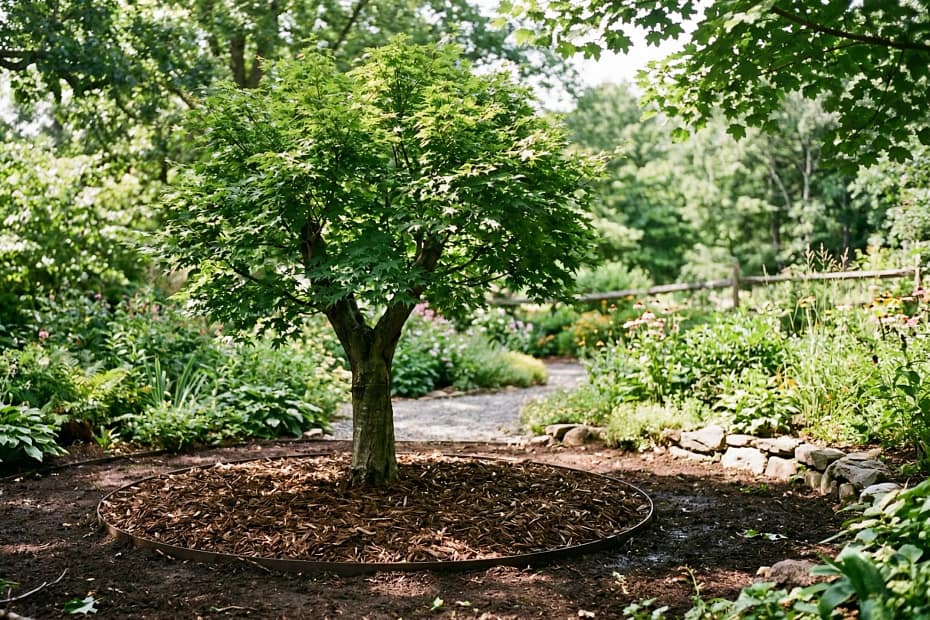
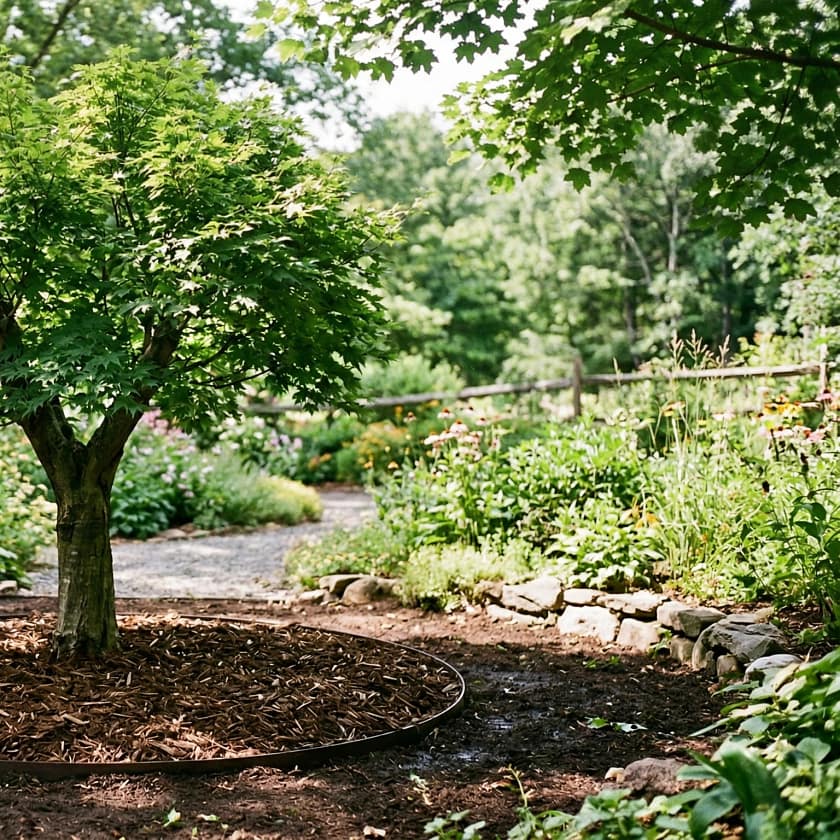
- Apply Mulch Evenly: Spread mulch in a circle around the tree, ideally extending out to at least the edge of the tree’s canopy (the “drip line”), but 2 to 4 feet is usually enough for most yards. Remember, the wider the mulch circle, the better for supporting root growth.
- Keep Mulch Off the Trunk: One really important detail—don’t let mulch touch the tree’s bark. Leave a couple inches clear all the way around the base. Too-close mulch makes bark stay damp and can cause disease or rot.
- Depth Matters: About 2 to 4 inches deep is spot on. If you pile mulch too thick, it blocks air flow to the roots or causes too much water retention. For young trees, keeping mulch on the shallower side is a good idea so oxygen can still make its way through.
Mulching is quick work once you get the hang of it. Most of the time, I’ll refresh mulch once a year (usually in spring) to keep things tidy and maintain soil health. If you’re growing trees in especially hot, dry climates, you might find a light top-up in late summer helps keep roots cool.
Common Mistakes When Mulching Trees?
I see some of these slip-ups all the time, even from experienced gardeners. Avoiding these common mulching mistakes can help your trees stay in top shape:
- Volcano Mulching: That big pile of mulch heaped right against the trunk isn’t doing your tree any favors. It just invites mold, pests, and rot by keeping the base damp all the time.
- Using Poor Quality Mulch: Old mulch that smells sour or looks moldy is best avoided. Stick to clean, natural materials to create a healthier soil zone.
- Skipping Mulch Renewal: If your mulch breaks down completely or gets too thin, roots get exposed and weeds move in fast. Replenishing annually is key.
- Using Inorganic Mulch Exclusively: While gravel or stones have uses, using only these around trees doesn’t add nutrients and can overheat roots.
Even a really healthy-looking tree can go downhill fast if the roots start having problems, and most issues can be avoided just by sticking with solid mulching habits. Another common problem is using plastic sheeting or landscape fabric under mulch—which can create a barrier that blocks air and water from reaching the roots. Stick to organic layers when possible for best results.
How To Choose the Best Mulch for Your Landscape?
Mulch isn’t one size fits all. I match the mulch type to my trees and landscape style for best results. Here are a few options worth considering:
- Shredded Hardwood Bark: Breaks down slowly, looks tidy, and feeds the soil gently over time. It’s great for ornamental trees and shrubs since it stays put well and resists wind.
- Pine Needles: These work well in areas with acid-loving trees like pines, azaleas, or dogwoods. Pine needle mulch is also lightweight and lets water flow through easily.
- Composted Leaves: Easy to make yourself and full of nutrients. I use leaf mulch for fruit trees or anywhere I want improved soil texture fast. Composted leaves break down quickly, adding organic matter quickly to soils desperate for nutrients.
- Wood Chips: Ideal for large trees or informal beds since they take a while to break down. Arborist chips (those free loads from tree services) are great and budgetfriendly. The chunky texture also helps keep the soil from compacting.
If you’re not sure what’s best, check with local garden centers or ag extensions; they usually know what works in your climate and which sources are most reliable. You can also ask neighbors or community gardening groups what’s worked for them. For more info, Penn State Extension offers a handy mulch resource that breaks down types by benefit and long-term impact.
Tips for Maintaining Mulch Throughout the Year?
Mulch isn’t just a “set it and forget it” deal. Here’s how I keep things in check for strong trees all year:
- Inspect After Storms: Heavy rain or wind can blow mulch away; rake it back into place and check for washed-up soil or exposed roots. Taking a look after big storms gives your trees a better shot at bouncing back.
- Watch for Fungal Growth: Some mushroomy bits are harmless and natural, but thick, sour smelling mulch can mean poor drainage; lightly fluff or thin it out.
- Replenish Each Spring: Add fresh mulch on top if coverage gets thin, but keep the total layer around 3 inches so roots still breathe. Layering over last year’s mulch is fine as long as there’s no old moldy material building up.
- Check for Pests: If you spot tunneling insects or signs of critters, pull mulch farther away from trunks and monitor for damage. Regular glances can save you future headaches.
Regular check-ins keep your tree zones looking tidy and save trouble down the line, especially after winter melt or stretches of wet weather. If you have particularly wet soil or flood-prone areas, mulching also helps keep things from turning to mud during rainy spells.
Troubleshooting? Deal with Mulch-Related Challenges
Even with all the best moves, there are a few hiccups you might run into with mulch. Here’s how I’ve handled the most common ones:
- Mulch Floating Away: In heavy storms, wood chips can float. Swapping to shredded bark or digging a shallow ring around your trees helps hold things in place. You can also edge the area with rocks or logs to help set a boundary.
- Mulch Compaction: Stepping or mowing over mulch compresses it, making it tough for water to get through. Fluff it up with a rake a couple times each season to keep things loose and encourage water penetration.
- Wildlife Disturbance: Squirrels sometimes dig in mulch piles. A top layer of chunky bark slows them down, and keeping seeds or fruit picked up near trees reduces the draw. Sometimes, birds or pets can scatter mulch as well; if so, try switching to a heavier mulch or using stones around the perimeter.
None of these are deal breakers. They’re just part of working with nature’s rhythms. Tuning in to your trees’ needs and how your mulch responds to the seasons makes your landscape stronger year after year. If you notice new problems, snap a photo and ask a local expert; often, it’s a quick fix.
FAQs About Mulching Trees
These are questions I get from people who are new to tree care or looking to take up their landscaping game.
Question: How often should I mulch my trees?
Answer: I aim to top up mulch once a year, usually in early spring, unless it breaks down faster due to heavy rains or lots of worms. Just make sure you’re not burying roots deeper each time; you want to keep mulch to a few inches thick total.
Question: Can I use grass clippings as mulch?
Answer: Grass clippings are tricky since they mat down fast and can get slimy or steal nitrogen from the soil. Mix them with leaves or wood chips if you want to use them, but make sure you’re not packing a soggy, airless layer around your tree. It works best when mixed with coarser materials so it stays loose and airy.
Question: Should I fertilize if I mulch?
Answer: If you’re using a good organic mulch that breaks down over time, you might not need extra fertilizer. For really poor soils or fruiting trees, a little compost or a slowrelease fertilizer at planting or in spring can help. Mulch and mild fertilizer can work together for best results if you see signs of deficiency.
Healthy Trees Start with Smart Mulching
Mulching around your trees is one of the most rewarding and easiest ways to give a boost to long-term health for your landscape. The steps are simple: pick a good mulch, apply it right, and stay on top of upkeep. With a little care and the right approach, mulching turns your tree zone into a low-maintenance, high-reward part of your yard, season after season. Even as your trees grow, regular mulching will keep the soil around them rich and full of life, which pays off with stronger, healthier trees for decades to come.
Botanicus Plus a GPT for starters and experts
Botnicus Plus boasts an array of new features, enhancing its global appeal and user interaction. These include: 1) Multilingual Support for accessibility in various languages. 2) Virtual Tours of famous botanical gardens and historical plant sites. 3) A Botanical Identification Tool for users to upload and identify plants. 4) Seasonal Guides and Tips tailored to local climates and regions. 5) Opportunities for users to engage in Collaborative Projects and Citizen Science Initiatives. 6) Advice on Sustainable Gardening Practices. 7) Interactive Q&A Sessions with botany experts. 8) Personalized Plant Care Reminders for gardeners. These features enrich Botnicus Plus’s mission to provide comprehensive, interactive, and culturally rich botanical education, fostering a deeper connection with the natural world.
Enjoy!👒
Invest in your future
Take time to learn
Embark on your journey in affiliate marketing and website creation alongside an incredible community and myself. Invest in your future by dedicating time to learn and earn. Take all the time you need to master the basics before aiming higher. Give it a try and sign up for free. You won't regret it! Discover the possibilities for yourself...