
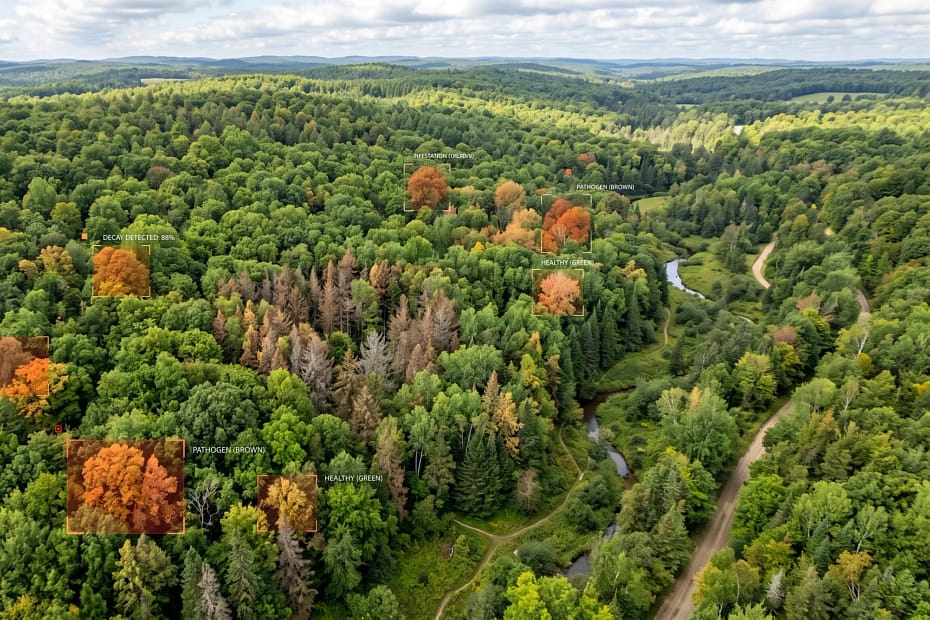
AI technology has been popping up in all sorts of surprising places, and tree health is no exception. As someone who loves seeing healthy trees in my neighborhood or while hiking, I’ve been following how AI makes it easier to spot tree diseases before they become a real headache. If you’re curious about how artificial intelligence is changing the game for detecting and managing tree diseases, you’ll find there’s a lot happening, and some of it is pretty exciting even for day-to-day tree care.
How AI Figures Into Tree Disease Detection
Spotting tree diseases early gives trees a better chance at survival and can help prevent problems from spreading. Usually, professionals and arborists relied on good old-fashioned experience and regular inspections. But AI brings a new twist by letting computers help pick out problems, even ones that can be tough for the human eye to catch, especially in large forests or urban landscapes.
Trees are important for everything from air quality to managing heat around cities. Sick trees can mean safety hazards or big ecological impacts. So, being able to quickly notice things like unusual leaf color, patchy canopies, or spots on bark really makes a difference. That’s where AI steps in, analyzing huge sets of data from images, drone flights, or remote sensors to find warning signs early on.
Ways AI Detects Tree Diseases?
AI-powered tools come in a few types, and some are more accessible to everyday users than others. Here’s a breakdown of the main approaches currently used in the field:
- Image Analysis: AI can scan photos of trees (from phones, satellites, or drones) for visual signs of disease like discoloration or irregular growth. These systems compare healthy and unhealthy trees to flag issues quickly.
- Remote Sensing: Drones or satellites collect detailed images of large areas. AI models process these images to spot stressed or infected trees, sometimes before symptoms are obvious to people on the ground.
- Sensor Data: Sensors placed in forests or attached to trees pick up changes in things like moisture, temperature, or soil health. AI analyzes this sensor data to predict or signal possible disease outbreaks.
- Pattern Recognition: Some advanced systems use machine learning to spot trends in how diseases have spread in the past, helping predict where issues might crop up next.
Getting Started? How These Tools Get Built?
Setting up an AI system for tree disease spotting starts with one thing: lots of data. Developers feed AI models thousands of pictures of both healthy and diseased trees, teaching them to tell the difference. This process is called “training,” and it keeps getting better with more examples and real-world feedback.
Sometimes, these tools work through phone apps for quick pocket checks, and other times they get installed on computers at research stations or city maintenance centers. Some universities and public agencies are even building open databases of tree images so more people can join in.
- Image Collection: Photos come from smartphones, cameras, satellites, or drones flying over forests and city parks.
- Model Training: AI systems get fed massive photo libraries, learning to spot differences between healthy trees and ones showing early symptoms.
- Feedback Loops: Ongoing feedback from users helps the system get “smarter” and reduces false alarms.
Benefits of Using AI for Tree Disease Identification?
Adding AI tools to the workflow brings perks for everyone involved: tree care crews, city officials, and even regular folks who want to care for backyard trees.
- Early Detection: Catching disease before it spreads saves more trees and can limit how much treatment is needed.
- Scalability: AI lets a small crew keep tabs on hundreds or thousands of trees without walking to each one.
- Cost Savings: Thanks to smarter monitoring, tree care budgets go further and effort focuses on real problems, not guesswork.
- Healthier Urban and Wild Forests: Identifying issues before they turn into big outbreaks helps keep city parks and forests thriving.
Challenges and Things to Consider?
No technology comes without a few quirks or limits, and AI is no exception when it comes to tree care. Here are some common snags people run into:
- Image Quality Issues: Blurry or poorly lit images can throw off even the smartest AI, so clean, well-angled photos work better.
- Diversity of Tree Species: A system trained on one type of tree might not work perfectly on another. Diverse sets of examples are really important for accuracy.
- Limited Datasets: Some rare diseases or strange conditions aren’t represented well in current training images, so humans still sometimes need to give the final word.
- Privacy and Data Access: Some public spaces limit drone or aerial photography, making it harder to map everything with AI-powered cameras.
Image Quality
Taking sharp, well-lit, and focused photos is one of the easiest ways to get better results from tree disease detection apps. Whether you use a phone, drone, or camera, making sure images clearly show the leaves or bark goes a long way.
Species and Disease Coverage
Because not every tree or disease looks exactly like what’s in a textbook, AI models need lots of variations in their sample images. Efforts are underway at research institutions to keep these models improving, but users still sometimes need to double-check unusual cases. Expanding collaboration between universities also helps to add rare tree species and unique diseases into datasets, improving the technology as more people get involved.
On-the-Ground Support
Even with great detection tools, hands-on inspections matter. If you get an alert from an AI tool, it helps to follow up with an expert, especially if you’re thinking about major pruning or treatment work. Tree professionals combine their trained eyes with these new technologies for the best results. Community workshops sometimes introduce new AI tools to local enthusiasts, supporting a partnership between digital systems and human expertise.
Tips for Using AI Tree Diagnostic Apps and Tools
If you want to use AI for your own trees or community green space, getting the most out of any tool comes down to a few basics:
- Send Clear Photos: Take pics from several angles and show any odd spots or leaves up close. For best results, photograph during daylight and avoid shadows on key features.
- Double-Check Results: If the AI tool flags a problem, don’t panic. Get a second opinion, especially for valuable or historic trees. Some apps even offer resources to connect you with a local arborist for that extra layer of certainty.
- Stay Updated: Try apps or services that regularly update their image libraries and detection models. They tend to improve the fastest, so using up-to-date versions often means more accurate results and fewer false positives.
- Learn the Features: Some apps let you log ongoing changes, helping you track if symptoms are worsening or improving over time. Regularly documenting your trees can help tailor their care and catch changes you might otherwise miss.
Real-World Use? Success Stories and Examples
Lots of cities and research groups are already seeing the benefits of AI tools for tree disease detection. For example, in some urban areas, regular drone and handheld camera sweeps powered by AI have let maintenance crews spot outbreaks like Dutch elm disease or sudden oak death before they spread down whole city blocks.
In agricultural areas, farmers and orchard managers use AI platforms to scan for fungal or insect problems across dozens of acres. These systems often send early alerts, helping operators just treat affected zones instead of blanketing everything. Expanding further, foresters in conservation projects use AI to keep track of endangered tree populations, focusing resources where they’re really needed.
- Public parks crews save time by only inspecting parts of parks flagged online.
- Homeowners use free or lowcost AIpowered apps to decide whether a tree really needs professional care, or if a small issue can be monitored at home.
- Forest researchers track disease movement and adjust conservation plans faster with up-to-date AI results, allowing more flexible and responsive strategies for ecosystem health.
Where the Tech is Headed Next
AI for tree health is catching on fast, and a growing number of nonprofits, startups, and city agencies are getting involved. As more people use these tools and share their findings, the databases of images and reports grow, making the technology smarter and more universal. In the near future, expect userfriendly dashboards and mobile apps that offer stepbystep suggestions if a problem is spotted—perfect for beginners and seasoned arborists alike.
Multisensor platforms are one of the next big things, combining images from drones, satellites, and ground cameras with readings from humidity or soil sensors. All of this gets crunched by AI, making detection even more accurate and giving everyone more confidence in what they’re seeing. Integrating community-sourced data with professional input is also leading to the next-level cool crowdsourcing of tree health reports, leveraging local knowledge for a broader benefit.

Frequently Asked Questions
Common questions always come up about using AI to spot tree diseases, especially for folks new to the idea. Here are some I’ve heard (and asked myself):
Question: Can anyone use AI-powered tree health apps?
Answer: Many smartphone apps are available for free or as affordable downloads. Just make sure to follow the app’s recommendations for photo quality and species selection for the best results.
Question: How reliable are these systems?
Answer: AI systems keep getting better as they’re trained on more real-world images. Still, unusual cases or poor-quality images can cause mistakes, so professional advice is smart before taking big action.
Question: Will AI replace human arborists?
Answer: Not likely. AI tools support pros by narrowing down the search and confirming suspicions, but experienced eyes are super important for diagnosing tricky or rare problems.
Final Thoughts
AI has become a helpful partner in protecting and maintaining healthy trees, whether you’re a city planner or just someone who loves your backyard oak. With the right approach, AI tools can make early disease detection easier, support smart decision-making, and keep more trees healthy for everyone to enjoy. If you’re into trees or land care, trying out AI-based tools is worth it, and you might be surprised by how handy and easy they can be in spotting trouble before it gets out of hand. As these resources grow and improve, they’re making tree care both more efficient and next-level cool for communities everywhere.
Botanicus Plus a GPT for starters and experts
Botnicus Plus boasts an array of new features, enhancing its global appeal and user interaction. These include: 1) Multilingual Support for accessibility in various languages. 2) Virtual Tours of famous botanical gardens and historical plant sites. 3) A Botanical Identification Tool for users to upload and identify plants. 4) Seasonal Guides and Tips tailored to local climates and regions. 5) Opportunities for users to engage in Collaborative Projects and Citizen Science Initiatives. 6) Advice on Sustainable Gardening Practices. 7) Interactive Q&A Sessions with botany experts. 8) Personalized Plant Care Reminders for gardeners. These features enrich Botnicus Plus’s mission to provide comprehensive, interactive, and culturally rich botanical education, fostering a deeper connection with the natural world.
Enjoy!👒
made with help of ChatGPT LM’s and Dalle
)
Invest in your future
Take time to learn
Embark on your journey in affiliate marketing and website creation alongside an incredible community and myself. Invest in your future by dedicating time to learn and earn. Take all the time you need to master the basics before aiming higher. Give it a try and sign up for free. You won't regret it! Discover the possibilities for yourself...