

How To Create A Wildlife-friendly Garden With Trees
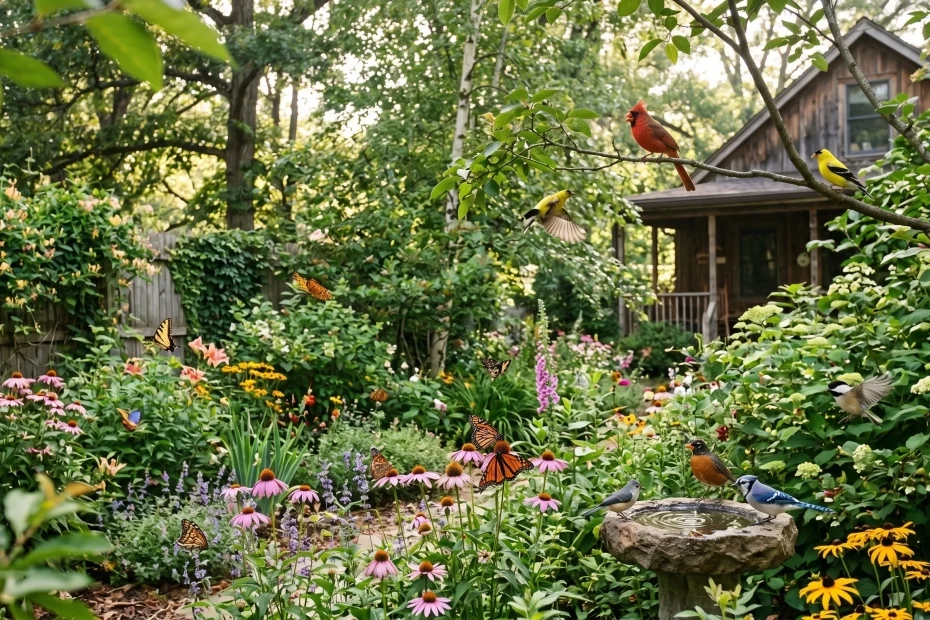
Creating a wildlifefriendly garden with trees is a super rewarding way to bring more life and natural beauty to your outdoor space. Whether you have a big backyard or a tiny patch of green, a few wellchosen trees can make a real difference in attracting birds, pollinators, and helpful insects. The best part? You don’t need expert skills or a massive budget to get started.
Trees do more than just add shade or help cool the yard down. They offer food, shelter, and resting spots for a surprising variety of critters. Even if you’re new to gardening, you’ll find that planting for wildlife is a great way to boost biodiversity and bring some extra joy to your daily surroundings.
In this guide, I’m sharing everything I know about using trees to support local wildlife. From picking the right varieties to tips on planting and care, you’ll get practical steps to help your garden come alive and attract an amazing array of creatures. If you’re eager to bring your outdoor space to the next level, keep reading for easytofollow tips anyone can use.
1. Plan Your WildlifeFriendly Garden
Before buying your first tree, it’s helpful to get clear on your goals and assess what your outdoor space can offer. Not every tree suits every garden, and different wildlife have preferences, too. A little planning smooths the way for success down the line.
Questions to Think About:
- How much space do I have for new trees?
- How much sunlight does the area get?
- What kind of soil do I have (clay, sandy, loamy etc.)?
- Which local (or native) wildlife do I want to support? Think birds, butterflies, bees, or even small mammals.
- Are there any power lines or underground pipes nearby to consider?
Why Consider Native Trees?
Native trees play a big role in local ecosystems. They’re adapted to your climate and soil, usually need less care, and provide the food and shelter that local wildlife already rely on. Some nonnative trees can be useful, but native options boost your wildlife success without much fuss. Plus, native trees often have relationships with more local insect species and provide the right fruits or nuts at the right times of year for birds and animals.
2. Choose the Right Trees for Wildlife
Tree selection is one of the most fun parts of this process. It’s about more than just picking what looks pretty; it’s about what will truly help your local wildlife thrive. As you add trees, think about which creatures you hope to attract and how the trees will work together over time.
Trees That Feed Birds and Pollinators
- Oak – Hosts hundreds of insect species and offers acorns for birds and mammals.
- Willow – Early spring flowers for bees and larvae for birds.
- Crabapple – Fruits for birds and flowers for bees.
- Serviceberry – Berries that attract songbirds, plus showy blooms.
- Elder – Berries feed birds, flowers attract pollinators.
- Hawthorn – Dense branches offer safety, flowers for insects, and haws for birds.
Evergreen vs. Deciduous
- Evergreens like pine or holly provide yearround shelter and food, such as berries for birds in winter.
- Deciduous trees lose leaves but often come with nectar rich blossoms or fruit in other seasons, supporting different animal needs.
Mixing It Up
A mix of tree types, heights, and canopy shapes gives wildlife plenty of options for nesting, hiding, and feeding. Even one small tree can kickstart a much bigger impact than you might expect. By layering different trees and adding shrubs, you boost the number and diversity of birds, mammals, and insects that can make a home in your garden. Over time, the addition of different species can help make your outdoor space more resilient and interesting yearround.
3. Plant Trees the Right Way
Good planting sets your trees up for longterm health, which means more benefits for wildlife. Just picking a spot and digging isn’t enough if you want your tree to thrive, so I always recommend going slow and steady here. Taking time with planting means roots can grow strong, and wildlife will benefit in the seasons ahead.
Steps for Successful Tree Planting:
- Pick the right spot: Check sunlight, distance from the house, and space for mature growth.
- Dig a roomy hole: Usually twice as wide as the tree’s rootball and just as deep as the roots.
- Loosen the roots: Gently tease out roots if they’re packed tightly.
- Place the tree: Set it level with the surrounding soil, not too deep or high.
- Backfill with care: Use the original soil, not tons of amendments, and gently firm it down.
- Water well: Deep watering after planting helps roots settle in.
- Mulch but don’t smother: A ring of mulch keeps moisture in, but don’t pile it up against the trunk; that leads to rot.
Supporting Young Trees
If you live somewhere windy, staking can help your new tree stay upright while roots get established, but you’ll want to remove supports once it’s stable. Keep mulch refreshed throughout the first growing season for best results.
4. Make Trees Even More WildlifeFriendly
Once your trees are in, you can give a boost to their value to wildlife with a few simple tweaks:
- Leave some leaf litter – Fallen leaves provide food and hiding spots for insects, which in turn feed birds.
- Skip harsh pruning – Natural shapes create more hiding places and food sources. Plus, dead branches can become nesting spots for woodpeckers and other birds.
- Plant shrubs and flowers underneath – A layer of native shrubs or wildflowers under your trees gives even more food, pollen, and safe spaces for critters, especially ground dwelling insects or hedgehogs.
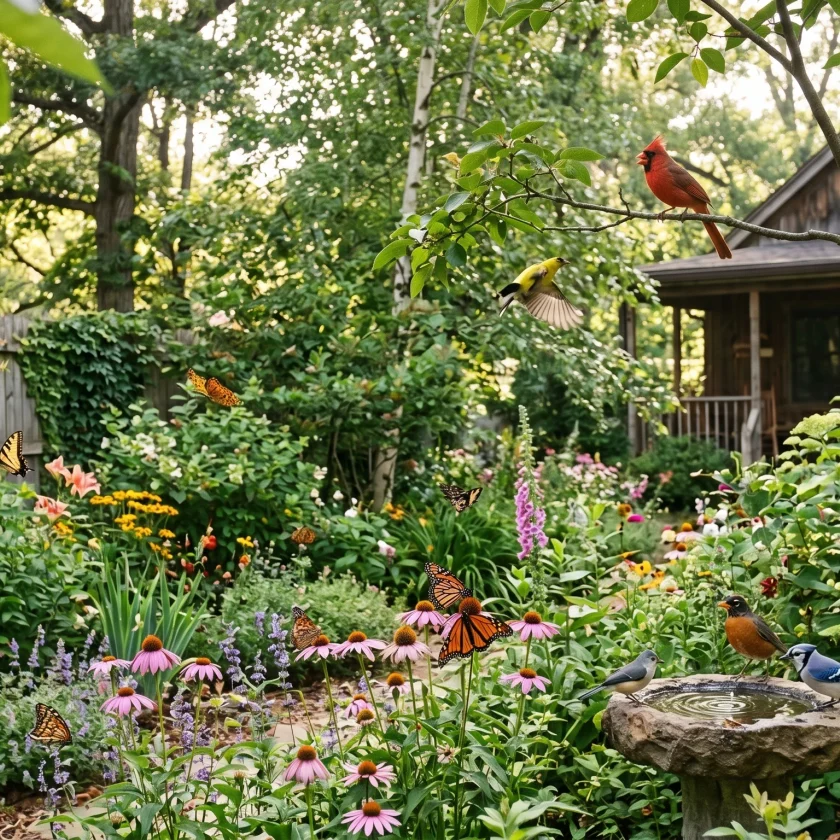
- Add water if you can – A birdbath or small water feature near your tree helps all kinds of animals find a drink or a quick bath. Even a shallow dish refilled regularly will be put to use.
- Go pesticidefree – Chemicals intended for pests often harm pollinators or disrupt natural cycles. Organic options or manual removal are usually better in wildlifefriendly gardens.
Leave Logs or Branches
Stacked logs or a brush pile near your trees gives insects, amphibians, and even birds a cool, sheltered place to rest or overwinter. It doesn’t have to look messy if you stack it neatly, and it adds a wild feel to the garden. Over time, these wood piles will attract beetles, mushrooms, and small mammals, adding more layers to the habitat you’ve created.
5. Keep Your Wildlife Garden Going Strong
Maintenance for a wildlifefriendly tree garden isn’t about constant tidying; it’s more about observation and little tweaks when needed. Less can be more here. Giving your garden a chance to grow naturally often brings the most interesting and beneficial wildlife visits.
- Let fallen fruit stay for birds and small mammals, at least for a while.
- Cut back dead wood only if it’s a real hazard.
- Keep an eye out for trouble (disease or pests), but try wildlifefriendly solutions first, like encouraging predatory insects or birds to take care of an outbreak.
- Water new trees for a year or two in dry spells; established, native trees typically need way less fussing.
Observe and Enjoying Your Space
One of the best things about wildlife gardening is watching the changes that come with each season. I like to keep a simple nature journal or take pictures to track what new birds or bugs visit each year. It’s a cool, lowpressure way to notice progress and get familiar with your backyard visitors. If you have kids, involve them in the process — tracking animal sightings can be tons of fun and builds lasting knowledge about the natural world right outside your door.
Common Questions & Troubleshooting
Which trees work best in small gardens?
Smaller spaces still have lots of options. Try crabapple, hawthorn, elder, or serviceberry. These stay relatively compact, offer lots of wildlife value, and don’t take over. You can also check out dwarf fruit trees for an added bonus of edible harvests for you and the birds!
How do I attract more birds?
- Plant a range of trees and shrubs for food and shelter, plus evergreen options for winter cover.
- Use feeders and water baths, then phase them out as your trees and plants mature.
- Avoid using loud tools and keep pets indoors at prime feeding times to give birds more confidence to visit.
What about pets and wildlife together?
If you have cats or dogs, consider placing trees and bird feeders in areas pets can’t reach easily. This helps birds feel safer visiting your garden. For ground foraging animals, you might want to add some low fencing or dense planting to create safe zones away from pets.
Going Further with a Simple Action Plan
- Walk your garden and note sunny spots, open areas, and where a tree might fit. Look for places with space to grow up and out.
- Look up a local native tree guide or ask at a nearby nursery for recommendations. If possible, join a local gardening club to swap notes with neighbors who love wildlife, too.
- Plant one tree this season and add a few native shrubs or flowers nearby for extra support. Keep a journal to record what you see and notice which animals visit your new plants first.
Having a wildlifefriendly garden with trees doesn’t happen overnight, but each step brings your garden and local animals closer together. The patience pays off as birds, bees, and butterflies return season after season, making your outdoor space buzz with life. What tree are you thinking of planting next?
Tree planting solutions on Amazon