

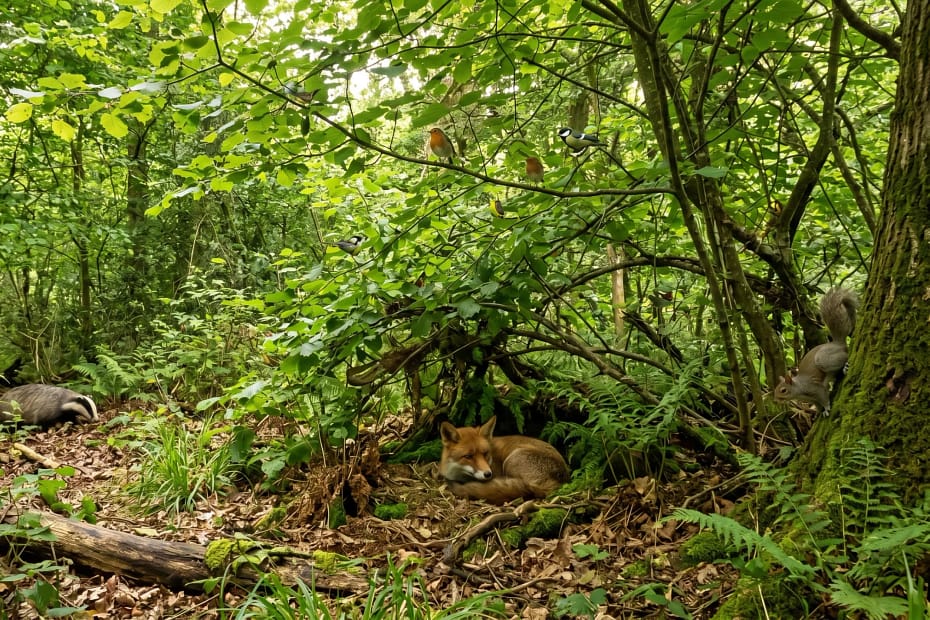
Create Shelter For Animals With Trees
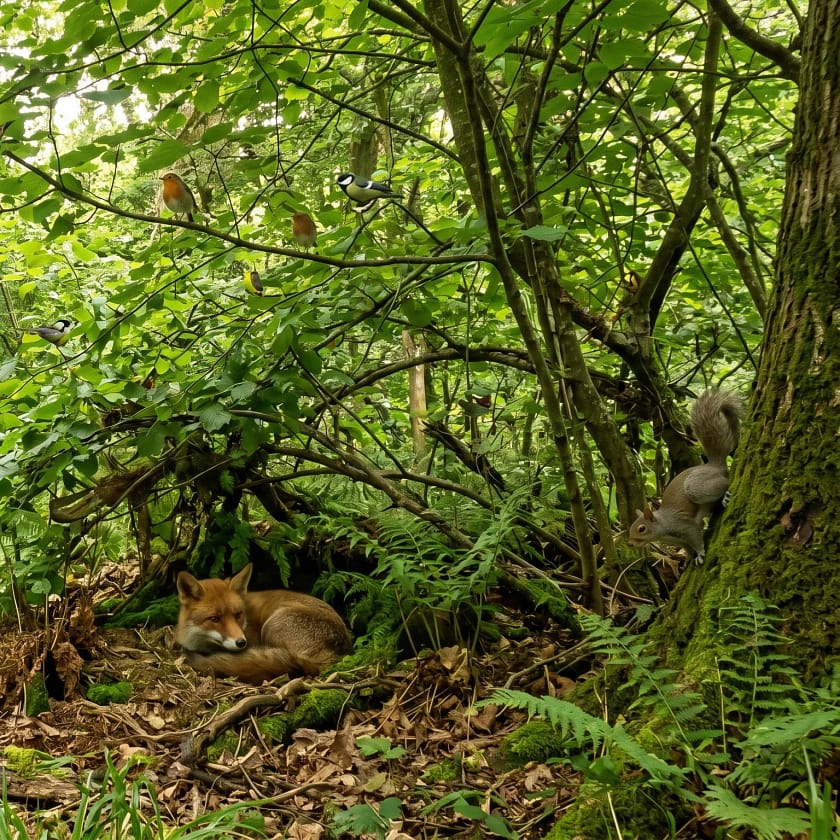
Creating shelter for animals doesn’t mean building fancy structures or spending tons of resources. It can be as simple and natural as using trees. Trees are more than just greenery around us. For countless animals, they offer protection, nesting areas, safety from predators, and comfortable places to rest. From birds and squirrels to deer and insects, a variety of creatures depend on trees to survive and thrive.
I’ve always been fascinated by how even a single tree can become home to an entire ecosystem. Whether you’re working with a big backyard, a modest plot, or helping out in a local community space, giving animals shelter with trees is a super practical way to support wildlife. In this article, I’ll show you why trees matter and how to use them to create cozy, natural spots for animals to find shelter.
The Role of Trees in Animal Shelter
Trees have a way of offering just what animals need. Strong branches can hold bird nests, dense leaves offer cooling shade and hiding spots, tree hollows are perfect safe havens for small mammals, and thick bark attracts insects that birds love to snack on. Even decaying logs, mossy stumps, and root systems are teeming with tiny creatures braving the elements. Over time, trees become living shelters above and below ground, working in harmony with the local environment.
Benefits of Trees for Wildlife
- Protection from Weather: Trees shield animals from rain, snow, direct sun, and wind, making survival a lot easier.
- Safe Places for Rest and Nesting: Branches and hollows are prime spots for eggs, babies, and naps.
- Food Sources: Many trees produce nuts, fruits, and leaves, or attract insects—all feeding local critters.
- Escape from Predators: The height and structure of trees give animals hidden perches and quick escape routes.
When you add the right trees to your space or protect what’s already thriving there, you’re rolling out the welcome mat for local wildlife. The greater the variety of trees, the more animals will stumble upon the protection they need throughout the year.
How to Choose the Best Trees for Animal Shelter
Not every tree works for every animal. Picking a good mix makes a big difference, and having several tree types is the way to go for a wild, lively habitat.
Factors to Consider
- Native trees are usually the most helpful because local wildlife already know and rely on them.
- Tree variety matters; a mix of heights, shapes, and leaf types means more animals can find what they need.
- Longevity and stability: Older, larger trees like oaks and maples offer more shelter and resources than younger saplings.
- Special features: Evergreens stay green yearround, fruit trees provide food, and some naturally form hollows or bark crevices.
Examples of Good Shelter Trees
- Oaks: Produce acorns, sturdy branches, bark crevices, and attract insects.
- Pines and Spruces: Evergreens provide yearround cover for birds and small mammals.
- Maples: Great for cavities and rich canopies for nesting.
- Willows: Their flexible structure is great for certain birds and amphibians.
- Crabapples and Serviceberry: Fruitbearing, attracting pollinators and birds.
Check your local extension office or native plant society for ideas. They usually have handy lists of what works best where you live, and can even give you planting tips for making the most of growing seasons and local soil conditions.
Design a WildlifeFriendly Tree Shelter Area
It matters not only which trees you have, but how you arrange them. A good design welcomes a bunch of different animals and keeps the natural space thriving year after year. Plus, a layered look just plain looks great!
Tips for Setting Up
- Group trees of different heights close together. This offers animals layers of cover; some live higher up, while others like it closer to the ground.
- Plant near existing shrubs or brush piles. This smooths the way for a mix of shelter types and draws in even more critters.
- Leave dead or fallen trees (“snags”) if it’s safe, as these become home to woodpeckers, bats, and beetles.
- Add a mix of evergreens and deciduous trees for benefits that last all year.
What to Avoid
- Skip single, isolated trees when you can. Clusters are way more attractive to animals needing cover from all angles.
- Resist the urge to clear away brush or “messy” undergrowth. Mess is nature’s friend when it comes to animal homes!
You can even build on your design by adding natural features like log piles, rock borders, or letting wildflowers grow underneath trees to draw in pollinators and ground nesters.
Simple Ways to Boost Shelter with Trees
I’ve gathered some practical ways to help animals get even more from the trees around your home or community:
- Let fallen leaves pile up under trees in autumn. Leaf litter gives bugs, frogs, and small mammals shelter through the cold months.
- Add brush piles nearby using trimmed branches or twigs—they add extra hiding spots for birds, rabbits, and reptiles.
- Put up nesting boxes on or near trees if you don’t have loads of natural cavities. Owls, bluebirds, and squirrels especially appreciate these, and you can easily craft them yourself or find kits.
- Don’t remove all deadwood. Many animals depend on decaying branches and bark, especially during wintertime.
- When pruning, only trim what’s needed for safety and health—less is often more!
Keep Your Tree Shelter Area Safe and Healthy
The best animal shelters only work when the trees themselves are thriving. Sick, dying, or badly damaged trees could become hazardous, so keeping attention on tree health is key for a lasting habitat.
Maintenance Tips
- Water young trees regularly, especially when it’s dry.
- Mulch around the base of new plantings, but keep mulch away from the trunk to stop rot.
- Protect young trunks from deer or chewing rodents with simple wraps or mesh guards.
- After storms, check for damaged branches and only remove those that truly pose a risk.
Dealing With Problems
- If you spot disease or pests, go for wildlifefriendly treatments—skip chemicals that could harm birds, mammals, or bees.
- Ask an arborist about large dead trees or worrisome limbs before cutting, especially if they offer shelter for rare critters.
Remember, a little mess under the trees is not just okay, it’s helpful. Fallen leaves, old logs, and some underbrush help foster strong, safe wildlife shelter.
Common Questions & Quick Fixes
What if I have a really small yard?
Stick with compact native trees or even tall shrubs. Even a couple of wellplaced plants can be a magnet for birds, pollinators, and butterflies, bringing life to even the smallest patches of green.
I want faster results; what’s best?
- Mix in both smaller, fastgrowing trees like willows and longer-lived species. Young trees already offer cover when planted in clusters, so don’t be afraid to start small.
Can I use fruit trees for shelter?
Absolutely! Fruit trees attract pollinators, feed birds and mammals, and provide branches for nesting and resting, making them a favorite among gardeners and wildlife lovers alike.
How do I support animals in winter?
- Evergreens give the thickest cover in cold months. Try pines, spruces, or cedars if your area supports them, and always leave fallen leaves and some branches on the ground to make natural winter homes.
Final Thoughts & Easy Action Steps
Sheltering animals with trees is simple, rewarding, and works just about anywhere. By letting a few trees grow wild or planting a handful of native species, you make a big difference! Each new tree means more homes for birds, squirrels, bugs, and all sorts of outdoor visitors.
Try This:
- Check what native trees already grow in your space, and let them mature if possible.
- Pick one or two new trees to plant this season—shoot for a mix of evergreens and hardwoods.
- Add a brush pile or a few logs near your trees for bonus shelter and wildlife activity.
Have you noticed more wildlife after planting or saving trees? Drop a comment and share your best animal shelter tips! It’s inspiring to hear how simple tweaks in our yards and parks make all the difference.
Botanicus Plus a GPT for starters and experts
Botnicus Plus boasts an array of new features, enhancing its global appeal and user interaction. These include: 1) Multilingual Support for accessibility in various languages. 2) Virtual Tours of famous botanical gardens and historical plant sites. 3) A Botanical Identification Tool for users to upload and identify plants. 4) Seasonal Guides and Tips tailored to local climates and regions. 5) Opportunities for users to engage in Collaborative Projects and Citizen Science Initiatives. 6) Advice on Sustainable Gardening Practices. 7) Interactive Q&A Sessions with botany experts. 8) Personalized Plant Care Reminders for gardeners. These features enrich Botnicus Plus’s mission to provide comprehensive, interactive, and culturally rich botanical education, fostering a deeper connection with the natural world.
Enjoy!👒
Invest in your future
Take time to learn
Embark on your journey in affiliate marketing and website creation alongside an incredible community and myself. Invest in your future by dedicating time to learn and earn. Take all the time you need to master the basics before aiming higher. Give it a try and sign up for free. You won't regret it! Discover the possibilities for yourself...