

The Importance Of Pruning Trees Correctly
Pruning trees might appear simple, but doing it right really affects the health, look, and safety of your trees. I’ve worked on pruning in my own yard and helped friends with their landscaping, and every time I take out my pruners I realize just how much there is to know if you want your trees looking good year after year. Here’s what you want to keep in mind to be sure your pruning habits are actually helping, not hurting, your trees.
The Basics? Why Pruning Trees Matters
Tree pruning isn’t just about snipping away at stray branches. Pruning at the right time and with the best technique keeps trees healthy, prevents messy or dangerous breakage, and encourages stronger growth. An unpruned or carelessly pruned tree can grow wild, shade out your garden, collect pests and disease, and even cause safety problems in storms.
Studies from arborists and university extensions have shown that trees pruned properly in their early years tend to live longer and have fewer issues as they mature (source: Penn State Extension). Pruned trees also look more eye-catching and get better curb appeal, which is super handy if you ever want to sell your place.
While pruning might seem like extra work, spending a little time each season can help you dodge bigger problems next year, like broken limbs, hazardous branches, or dying trees that require expensive removal.
Get Started? When and How to Prune
Certain times of the year are better for pruning than others. For most trees, the best time is late winter or very early spring; after the coldest weather passes but before the tree starts putting out new growth. This timing helps wounds heal quickly.
If you’re working on flowering trees, like cherry or dogwood, try pruning right after their blooms finish. That way you don’t accidentally cut off potential flower buds for next year. Dead or urgent dangerous branches can be removed whenever you see them, since those are a top priority.
- Use sharp, clean tools: Dull pruners tend to tear bark instead of slicing, which makes it harder for the tree to bounce back.
- Remove dead or sick branches first: These spots can spread disease and attract bugs you don’t want near your trees.
- Don’t cut too close or too far from the trunk: You want to cut just outside the collar, that slight swelling where branch meets trunk. This spot seals up wounds quicker.
- Avoid topping the tree: Lopping the top doesn’t help in the long run, and it leaves trees weak and awkward looking.
Beginner Friendly Steps for Proper Pruning
Pruning isn’t just random cutting. A methodical approach delivers the best results and helps your tree recover. Here’s my usual routine:
- Look over the tree before you start: Walk all the way around and identify branches that cross, grow inward, are damaged, diseased, or dead.
- Trim back the 3 D’s: Go for Dead, Diseased, and Damaged branches first.
- Thin out crowded sections: Where branches bunch together or rub, keep the healthiest ones and take away the rest.
- Shape for airflow and light: Opening up the center lets sun and air reach every branch, drying things quickly and helping avoid fungus.
- Double-check for evenness: Aim for a balanced shape, trimming back areas that look heavier.
Going slow pays off; you don’t need to finish pruning in one afternoon. Sometimes it helps to take a step back and size up your work before making more cuts.
What Could Happen If Pruning Goes Wrong
I’ve witnessed what goes wrong when pruning isn’t handled correctly. If you over-prune, you can strip away too much at once, stressing out the tree and inviting pests or sunburn. Using dull tools or making random cuts leaves open wounds that don’t seal right, letting in disease. Topping—where someone cuts a tree down to a stub—usually leaves it weak and misshapen for good.
Damage From Over-Pruning
Taking away a lot of leaves limits a tree’s ability to turn sunlight into energy. If you go too far and thin the crown, growth stalls, branches weaken, and a tree may never recover its old shape.
Poorly Placed Cuts
Cutting flush with the trunk removes the branch collar, which slows healing. On the other hand, leaving long nubs opens up those spots for rot. Pruning just outside the collar, with a clean slice, lets your tree seal things up as best as possible.
Using Dirty or Dull Tools
Sticky, dirty tools transfer diseases between your trees. Wiping your pruners with rubbing alcohol (or a mild bleach mix if you’re dealing with sick branches) is a quick habit that helps trees thrive.
Key Tools for Effective Pruning
The right tools make all the difference, both for cleaner cuts and your own safety. My go-to toolkit includes:
- Hand pruners: Best for twigs or branches up to about finger thickness. Choose bypass-style for live wood.
- Loppers: Good for branches around one to two inches across and getting just a little extra reach.
- Pruning saw: For anything bigger. Folding saws are easy to stash, and curved blades help reach tight spots.
- Pole pruner: Lets you cut higher limbs safely from the ground.
- Gloves and safety glasses: Your hands and eyes will thank you when stuff starts flying around.
If your project involves really big or high-up trees, it’s smart to call a certified arborist. Working safely off the ground or near power lines takes special skill beyond just having the tools.
Troubleshooting Common Tree Pruning Problems
- Tangled, overgrown branches: Clear inner, thinner branches first to get a view of the structure, then cut bigger ones as needed.
- Tree sap or sticky spots: Some trees ooze sap after cuts. Using sharp tools limits this, but if the tree gets really messy, try pruning during a different season next year.
- Risk of disease spreading: Always disinfect your pruners if you spot fungus or cankers. This simple step goes a long way.
- Odd regrowth: Heavy pruning can spur quick, crowded shoots. Thin these “water sprouts” out in the next season.
Branch Removal Techniques
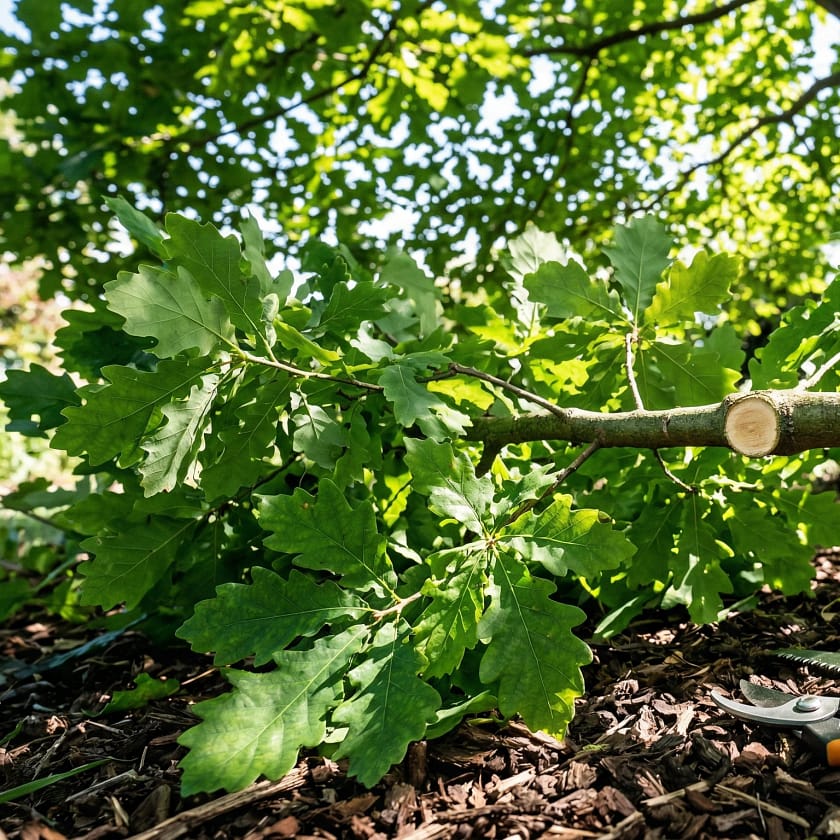
The three-cut method is excellent for removing big branches. First, make a cut underneath a few inches from the trunk to prevent bark tearing. Next, cut on top a bit further out to actually remove the branch. Finally, clean up the stub just outside the branch collar. This technique leaves neat wounds that heal better.
Real-Life Benefits? What Pruning the Right Way Gets You
- Healthier, longer-living trees: Correct pruning keeps out pests, decay, and fungus from getting a start.
- Stronger, more balanced canopies: Pruned trees build tougher wood and survive tough weather more easily.
- Improved safety near homes: Clearing away weak or overhanging limbs keeps people and buildings safer in storms.
- Better fruit and flower yields: Shaping fruit or blossoming trees makes harvests easier and more abundant.
- Neater, tidier landscapes: Pruned trees help your entire garden look well-kept, and they can up your property value.
Keep up with pruning each season and you’ll see your trees stand taller. They’ll shrug off pests and weather and become standouts in your outdoor space.
Frequently Asked Questions
Here are a few questions I’ve answered about pruning trees safely:
Question: How much can I trim from my tree at one time?
Answer: Play it safe by taking off no more than about 25% of a healthy tree’s canopy a year. Cutting too much more can shock and weaken the tree.
Question: What’s the real difference between pruning and trimming?
Answer: People mix these up, but pruning is meant to help a tree’s health and structure, while trimming is mostly just a cosmetic clean-up or size control.
Question: Should I use wound paint on fresh cuts?
Answer: Most research says healthy trees heal better when cuts are left exposed. Wound sealants can lock in moisture and sometimes cause more trouble than leaving cuts alone.
Question: Can I prune anytime during the year?
Answer: Remove dead or broken limbs whenever you need to, but living growth is usually best pruned in winter dormancy or early spring for fastest healing and less stress.
Final Thoughts
Knowing how and when to prune does more than shape neat landscaping; it leads to healthier, stronger, better-looking trees that last. Work with your tree’s natural growth, use the best tools for the job, and care for wounds quickly. If a tree’s big or valuable, don’t hesitate to reach out to a certified arborist to protect your property’s investment and beauty for the long haul.
Botanicus Plus a GPT for starters and experts
Botnicus Plus boasts an array of new features, enhancing its global appeal and user interaction. These include: 1) Multilingual Support for accessibility in various languages. 2) Virtual Tours of famous botanical gardens and historical plant sites. 3) A Botanical Identification Tool for users to upload and identify plants. 4) Seasonal Guides and Tips tailored to local climates and regions. 5) Opportunities for users to engage in Collaborative Projects and Citizen Science Initiatives. 6) Advice on Sustainable Gardening Practices. 7) Interactive Q&A Sessions with botany experts. 8) Personalized Plant Care Reminders for gardeners. These features enrich Botnicus Plus’s mission to provide comprehensive, interactive, and culturally rich botanical education, fostering a deeper connection with the natural world.
Enjoy!👒
Invest in your future
Take time to learn
Embark on your journey in affiliate marketing and website creation alongside an incredible community and myself. Invest in your future by dedicating time to learn and earn. Take all the time you need to master the basics before aiming higher. Give it a try and sign up for free. You won't regret it! Discover the possibilities for yourself...