
Ai Technology For Sustainable Forestry
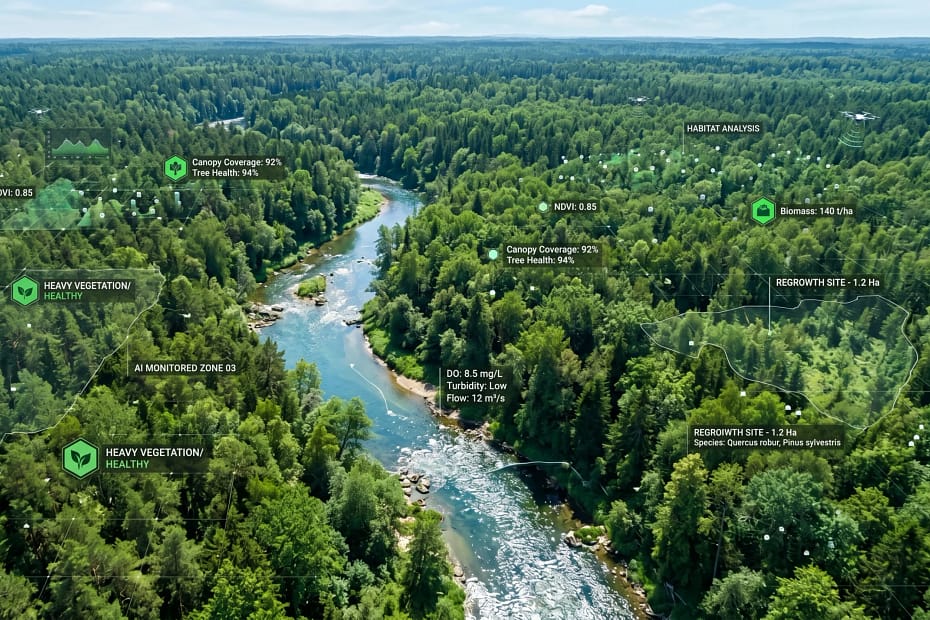
AI technology is making waves in forestry, steering the industry towards more sustainable practices and smarter ways to manage forests. From predicting wildfires to tracking illegal logging, artificial intelligence offers real solutions for keeping forests healthy while balancing human and environmental needs. If you’re curious about how AI fits into sustainable forestry, I’ve broken down the coolest advances and what they actually mean for people working in this field, and for the forests themselves.
The Role of AI in Modern Forestry
Forests provide more than just wood. They shape the planet’s climate, protect wildlife, and support human communities everywhere. Managing them in ways that don’t cause damage requires more than just experience and tradition. Artificial intelligence steps in here as a pretty handy partner for forest managers, conservationists, and scientists alike.
AI tools can process massive amounts of environmental data. Even the most experienced forestry professional can only monitor so many acres at once, but AI never gets tired. Algorithms can spot signs of tree disease, predict growth, and even forecast how a forest might recover after a fire. The benefits are practical: less trial and error, fewer mistakes, and a real chance to keep forests thriving for years to come.
The global forestry AI market is expected to grow steadily over the next decade, reflecting rising demand for smart solutions as climate change and land use pressure forests around the world (Grand View Research). This demand means more innovations, more research, and, ultimately, healthier forests if these tools are used wisely.
Get Started or How AI Powers Sustainable Forestry
Understanding the basics of how AI works in forestry helps anyone—from landowners to policymakers—make better decisions. At its core, most AI systems for forestry use satellite images, drone footage, or sensor data to analyze what’s going on in a forest. Here are a few of the big terms popping up:
- Remote Sensing: Collects data from satellites or drones, giving real-time details about forest health, soil moisture, and tree cover.
- Machine Learning: Teaches computers to look for patterns in data, like finding disease hotspots or tracing illegal logging roads.
- Predictive Analytics: Uses past data and patterns to forecast future risks, such as fire outbreaks or pest invasions.
These AIpowered tools can save time and money for forest managers while helping protect ecosystems. For example, instead of sending teams into the field every week, managers can let AI flag problem areas and inspect only where it’s really needed. That means less labor, lower fuel costs, and less disruption for wildlife.
Quick Guide? 5 Steps to Start Using AI in Forestry
If you’re looking to bring AI technology into your forestry operations, it helps to follow a few practical steps. Here’s what usually works for people just starting out:
- Identify Your Goals: Pin down what you want to solve; tracking tree growth, fighting fires, or keeping out illegal loggers.
- Gather Good Data: Invest in or access reliable sources, like drones or remote sensors, to feed your AI system high-quality info.
- Choose a Userfriendly Platform: Look for AI tools designed for nonexperts. A lot of forestry apps come with easy interfaces and support.
- Monitor and Adjust: Keep an eye on the results and tweak your input data or strategy as you learn.
- Partner Up: Combining tech with local knowledge (such as from indigenous forestry practices) often leads to better results. Many AI projects benefit from direct collaboration with the people who know the forest best.
This approach can smooth the whole transition and help you make the most out of your AI investment in terms of efficiency and sustainability.
Things to Think About Before Getting Into AI
Like any big change in an industry, AI in forestry comes with its own set of hurdles. Here are a few challenges that often need special attention:
- Data Quality and Access: Poor-quality images or data will lead to weak predictions. Consistent, up-to-date data is really important for accurate AI insights.
- Training and Skills: Learning how to use these tools may take time. Many forestry teams need new training to get comfortable with AI platforms.
- Connectivity Problems: Forests are often remote, meaning internet or cell service may be spotty. Some AI tools work offline, but others depend on web access.
- Ethical and Privacy Issues: Automated surveillance tools need to be managed with care to avoid privacy concerns or misuse, especially in local or indigenous territories.
Data Quality and Access
It’s a bit like trying to read a book with missing pages; AI needs rich, complete data to give its best results. Many forests lack regular monitoring, or their data is scattered among lots of different groups and agencies. Connecting these dots is worth it, but it does take work.
Training and Skills
AI solutions are getting easier to use, but anyone working with them should still build a solid understanding of how they operate. Workshops, webinars, and hands-on demos from AI developers can make this transition a lot smoother.
Connectivity Problems
Since forests aren’t known for their great WiFi, investing in offlinecapable hardware and backup systems is super important. Many advanced AI programs now offer local data processing, which means you don’t have to be online 24/7.
Ethical and Privacy Issues
Transparency with affected communities matters. If AI is used for monitoring, make sure everyone knows what’s being tracked, why, and who has access to the information. Open communication heads off a lot of the problems that can crop up with tech in sensitive locations.
However, there’s no challenge that can’t be handled with a thoughtful approach and plenty of support. AI might look complicated at first glance, but practical planning, a willingness to learn, and focusing on good data can make it work for almost any forestry operation.
Advanced AI Techniques in Forestry
After you get comfortable with basic AI tools, jumping into more advanced strategies can take your forestry management up a notch. These nextlevel cool applications of AI aren’t just extra features; they can change how entire forests are managed:
Forest Health Scanning: Deep learning algorithms can spot diseased or stressed trees automatically, sometimes before any visible symptoms appear. This is already used for pine beetle tracking and early fire warning systems, saving both forests and money.
Automated Pest Prediction: Some AI platforms can link weather patterns, satellite images, and past infestation data to predict where pests are most likely to hit next. This helps forest managers act quickly, targeting only the most vulnerable spots for treatment or monitoring.
Timber Harvest Optimization: AI can suggest where and when to harvest to maximize economic return while keeping wildlife corridors and native tree species intact. Balancing economic and ecological needs becomes a lot easier with predictive modeling.
Advanced AI doesn’t replace trained foresters and ecologists, it works alongside them. Getting both tech and field expertise in sync produces the best results for forests and the people who count on them. Teaming up with experts and technology lets you cover more ground and track down subtle patterns you might otherwise miss.

Where AI is Making a Real Difference in Forestry
Practical equipment and a solid strategy make the difference between an AI project that fizzles out and one that leads to healthier forests. Here are a few realworld applications you might stumble upon in forestry work:
- Restoration Planning: AI helps restoration crews decide which native species to plant and where, giving a boost to regeneration after wildfires or logging efforts that may have left certain areas sparse or at risk.
- Illegal Logging Detection: By analyzing satellite feeds in real time, AI has sped up the process of identifying illegal clearcutting. Authorities can get notified within hours instead of weeks, letting them act quicker and more effectively.
- Fire Risk Mapping: Some forestry agencies use AI to model fire danger zones daily, combining temperature, moisture, and wind data. This helps with early evacuation planning and focused firefighting efforts where they’re most needed.
My experience has shown that practical, lowcost sensor tools powered by AI work wonders for small landowners, too. These tools send alerts about changing moisture levels or disease outbreaks, so owners can take quick action and reduce costly damage. Bringing AI to a wider range of users is slowly closing gaps in information, costs, and outcomes between large organizations and smaller community forestry projects. This gradual adoption means even more data, smarter predictions, and forests that can weather new challenges in a changing world.
Frequently Asked Questions
Plenty of folks have questions about AI in sustainable forestry. Here are a few of the ones I see asked over and over:
Question: Do I need to be a tech expert to benefit from AI tools in forestry?
Answer: Most forestry AI platforms are designed for folks without deep tech backgrounds. Hands-on training and solid customer support can go a long way.
Question: How do AI systems get the data they need?
Answer: They pull info from satellites, drones, ground sensors, and even manual surveys. More sources mean better, more reliable results.
Question: Are AI-powered recommendations trustworthy?
Answer: The best results come from combining AI findings with human expertise. Regularly double-check AI outputs with field checks for the best outcome.
Learn and Move Forward with AI in Forestry
Using AI for sustainable forestry is about making smart, datapowered choices that improve longterm outcomes for forests, people, and the planet. Practical steps, like focusing on good data, staying open to new workflows, and mixing tech with groundbased experience, help AI become a really valuable tool in forestry. As AI continues to grow, I’m excited to see how collaborative, thoughtful use will support both productivity and conservation for the future. People and technology working together can keep forests thriving for generations ahead.
Botanicus Plus a GPT for starters and experts
Botnicus Plus boasts an array of new features, enhancing its global appeal and user interaction. These include: 1) Multilingual Support for accessibility in various languages. 2) Virtual Tours of famous botanical gardens and historical plant sites. 3) A Botanical Identification Tool for users to upload and identify plants. 4) Seasonal Guides and Tips tailored to local climates and regions. 5) Opportunities for users to engage in Collaborative Projects and Citizen Science Initiatives. 6) Advice on Sustainable Gardening Practices. 7) Interactive Q&A Sessions with botany experts. 8) Personalized Plant Care Reminders for gardeners. These features enrich Botnicus Plus’s mission to provide comprehensive, interactive, and culturally rich botanical education, fostering a deeper connection with the natural world.
Enjoy!👒
Invest in your future
Take time to learn
Embark on your journey in affiliate marketing and website creation alongside an incredible community and myself. Invest in your future by dedicating time to learn and earn. Take all the time you need to master the basics before aiming higher. Give it a try and sign up for free. You won't regret it! Discover the possibilities for yourself...