
AI Tree Planting Solutions
Tree planting has experienced a major glow-up thanks to AI. Traditional methods demand plenty of time, resources, and manual effort, yet now intelligent solutions are making reforestation efforts more effective and efficient. If you’re curious about how tech is transforming tree planting initiatives, I have plenty of first-hand insights and some seriously next-level cool details to share. This guide is packed with what you need to know about AI-powered tree planting and the new doors opening up for ecosystems worldwide.
How AI is Powering Modern Tree Planting
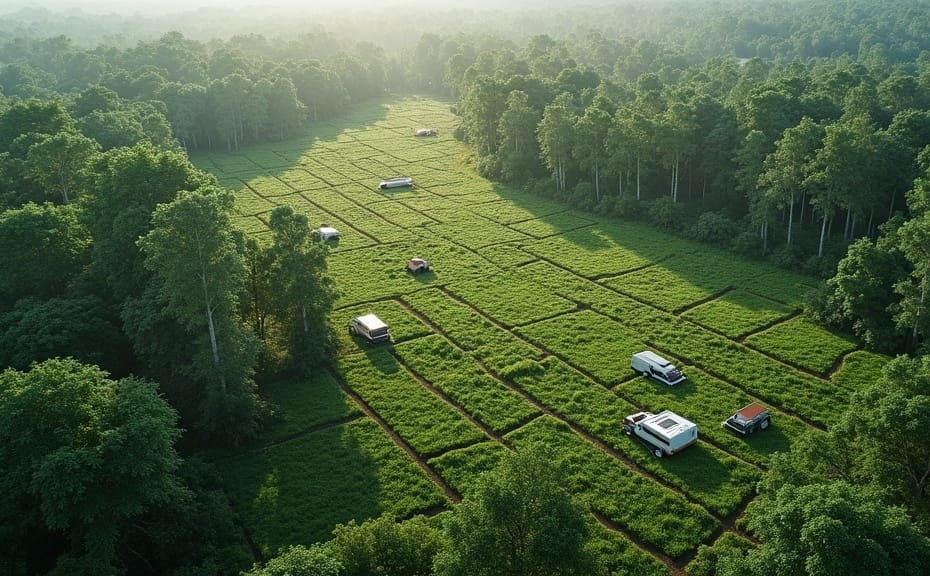
AI tree planting solutions rely on data, algorithms, and automation to help with everything from site selection to planting saplings. These tools mix together satellite imagery, drone technology, and machine learning to spot where forests are needed and which tree species will thrive best. As sustainability pressures rise, organizations and governments across the globe are making use of these new tools to ramp up reforestation projects and improve their overall impact.
This approach doesn’t just speed things up—it also helps ensure healthy forests. AI looks over soil data, rainfall, and temperature trends to suggest the right type of tree for each microclimate. From my viewpoint, seeing projects make the most of these tools to boost biodiversity and fight climate change is genuinely inspiring. Some experts suggest that tech-powered reforestation could help offset a good chunk of carbon emissions if adopted widely. The key is making smart use of sound data alongside on-the-ground know-how.
Get Started with AI-Powered Reforestation
Jumping into AI-driven tree planting means getting familiar with several major technologies. Whether you’re a landowner, conservationist, or tech enthusiast, it helps to understand what’s actually in play. Here are a few buzzwords you’ll run into often:
- Remote Sensing: Using satellite or drone imagery to monitor wide areas and spot the best spots for planting.
- Machine Learning: Algorithms that explore big sets of climate and soil data to recommend tree types and planting patterns.
- Automated Drones or Robots: Machines that can plant seeds or saplings and track their growth, taking much of the manual labor out of the equation.
Some platforms even let you monitor seedling survival rates in real time. I’ve followed a few pilot programs that offer a dashboard showing health updates for entire patches of young forest—a super handy way to keep tabs and make quick calls. To get started, look for partnerships or programs operating locally, or check out open-source projects if you’re more into DIY work.
Simple Steps to Bring AI Tree Planting to Your Project
If you want to mix AI into a tree planting campaign, you don’t need to be a programming whiz. Here’s a step-by-step breakdown based on guidance from folks who’ve already taken the plunge:
- Assess Land Using Remote Imaging: Use drone or satellite images to map soil, sunlight, and existing vegetation. This helps shape your planting plan before digging begins.
- Feed Data to Machine Learning Tools: Drop your environmental info into platforms that can run climate and growth models. These help pick the best species mix and layout.
- Plan Logistics and Timing: AI can recommend planting windows based on weather patterns, making sure new saplings have the best chance to start strong.
- Automate Planting with Drones: Where possible, drones or robots can tackle the actual seeding. Even if you plant by hand, AI can show you exactly where to dig for the best impact.
- Monitor and Adapt: Once planted, use sensors or aerial images to keep an eye on sapling health and spot trouble early. Ongoing updates help you tweak your strategy year after year.
Sticking to these steps can increase your chances of growing a lush, healthy new forest and help cut the workload compared to old-fashioned manual planning.
Things You Should Know Before You Get Started
Tech makes things smoother, but there are still some good things to keep in mind. Here are some common bumps in the road and real-world solutions I’ve seen work:
- Training the AI: These algorithms need lots of quality info to perform well. Collecting strong data on local soils, rainfall, and species is super important.
- Device Limitations: Drones and robots need care and can have technical hiccups. It really helps to have someone tech-savvy available to troubleshoot and swap parts as needed.
- Understanding Local Ecosystems: Even the slickest AI works best with input from local experts. Getting insights from people who really know the land gives you an edge you just can’t get from machines alone.
- Budget and Scaling: Some AI options can be pricier—grants, open-source solutions, or joining up with local organizations are smart ways to keep things affordable.
Gather and Use the Right Data
Having solid info is key for machine learning. This means gathering soil samples, mapping elevation, and measuring moisture and sunlight. Resources from organizations like the UN Food and Agriculture Organization and universities offer data to get you started if you don’t have your own local measurements yet.
Make Sure Your Tech Holds Up
Technology is only as reliable as its weakest link. From my experience, drones with strong, weatherproof frames are absolutely worth the upfront cost. It pays off to keep spare batteries handy and schedule regular tune-ups, ensuring your operation doesn’t stall right during the busy planting season.
Blend Human Smarts with AI
AI can crunch more data than a person ever could, but local know-how is still essential for keeping forests healthy in the long run. Indigenous communities and experienced foresters are great at catching subtle warning signs in the field—a capability that helps AI models improve with each season. Combining both approaches makes the whole project more likely to last for decades instead of just a few years.
By staying alert to these basics, you make the most of AI while preserving the heart and wisdom behind traditional forestry.
New Ways AI is Reshaping the Future of Tree Planting
Once you’ve got a good foundation, there are some exciting directions AI is pushing reforestation next. Here are a few that are really lighting up the field:
Biodiversity Planning: Some AI models accurately predict which tree species combos attract more wildlife—birds, butterflies, pollinators. For example, a project in Southeast Asia used AI to choose tree types that support native birds and butterflies all year long.
Predicting Climate Resilience: Advanced tools simulate how forests might hold up as weather gets more extreme. With these insights, planners can sub in tougher tree varieties or pick better locations, sidestepping disasters before they happen.
Scaling Up Fast: AI-based mapping lets teams plant over far more land in much less time. I watched a pilot use drone seeders to plant tens of thousands of trees per day. At this scale, automation redefines what’s possible for reforestation.
Bringing these tools into your workflow takes some patience and experimenting, but the pay-off for large-scale reforestation is huge. As more groups share their lessons learned, everyone benefits faster—saving time and avoiding repeated mistakes.
Key Tech Tools and Real-World Uses
AI-backed tree planting isn’t just for big groups or governments. Here are ways real folks are making a difference with these tools:
- Restoring Burned-out Forests: After wildfires, AI helps teams decide where to focus effort for the biggest recovery. Drone-based seeding kickstarts regrowth quickly in even the hardest-hit areas.
- Urban Greening: Towns and cities are using sensors and AI maps to see where street trees would help with shade and clean air the most.
- Tracking Survival and Growth: Smart tags and wireless monitors let teams check on young trees for years after they’re planted. I’ve seen student groups use open-source dashboards to follow up on school planting days and make sure their trees are thriving long-term.
For anyone interested in environmental action, these tech tools help make your effort count, even with limited time or resources.
Frequently Asked Questions About AI Tree Planting
Interest in tech-smart forestry keeps growing, so here are answers to a few common questions I frequently run into:
Question: Do I need advanced tech skills to get involved with AI tree planting?
Answer: Definitely not. Most platforms are super userfriendly, and joining a group project is a smart way to learn. The tech usually guides you through each step.
Question: Is AI really better than classic planting methods?
Answer: Sometimes; it depends on your situation. AI can be a huge help, especially on big or tricky land. But local experience and old-school skills matter a lot for keeping forests strong over time.
Question: Where can I stumble upon AI tree planting opportunities?
Answer: Nonprofits, tech startups, and even city programs launch pilot projects regularly. Browse their official sites or explore platforms like Ecosia, Open Forest Protocol, or your city’s forestry department to track down current projects you can join.
Wrapping Up?
AI-powered tree planting is speeding up and boosting the success of reforestation worldwide. With a mix of top-shelf data smarts, automation, and boots-on-the-ground know-how, we can now rebuild forests better than ever. It’s wild to see these tools grow and become more accessible, and there’s space for anyone interested in tech or the environment to get involved. Whether you’re down to get your hands dirty planting or want to debug code for good, this field has a place for you.
Tree planting solutions on Amazon
Botanicus Plus a GPT for starters and experts
Botnicus Plus boasts an array of new features, enhancing its global appeal and user interaction. These include: 1) Multilingual Support for accessibility in various languages. 2) Virtual Tours of famous botanical gardens and historical plant sites. 3) A Botanical Identification Tool for users to upload and identify plants. 4) Seasonal Guides and Tips tailored to local climates and regions. 5) Opportunities for users to engage in Collaborative Projects and Citizen Science Initiatives. 6) Advice on Sustainable Gardening Practices. 7) Interactive Q&A Sessions with botany experts. 8) Personalized Plant Care Reminders for gardeners. These features enrich Botnicus Plus’s mission to provide comprehensive, interactive, and culturally rich botanical education, fostering a deeper connection with the natural world.
Enjoy!👒
Invest in your future
Take time to learn
Embark on your journey in affiliate marketing and website creation alongside an incredible community and myself. Invest in your future by dedicating time to learn and earn. Take all the time you need to master the basics before aiming higher. Give it a try and sign up for free. You won't regret it! Discover the possibilities for yourself...