

Teach Kids About Trees With Fun Activities And Lessons
Trees are pretty awesome, right? They’re not just standing around looking pretty; they do a lot for our planet and us. Take a moment to think about all the times you’ve enjoyed the cool shade of a tree on a hot day or watched colorful leaves sway in the autumn breeze. Trees add beauty to our world, but their importance goes way beyond that.
First off, trees play a huge role in our environment. They act like the planet’s lungs, absorbing carbon dioxide and pumping out oxygen. This is super important because it helps combat climate change and provides the fresh air we breathe every day. Trees also provide habitats for countless species of animals, insects, and other plants, creating ecosystems that are vital for biodiversity.
Besides helping the environment, trees are beneficial to humans in so many ways. They improve air quality by trapping dust, pollen, and other pollutants. They can even lower energy costs by providing natural shade and cutting the need for air conditioning in the summer. And let’s not forget how they contribute to our mental well-being. Spending time around trees and nature has been proven to reduce stress, improve mood, and boost overall life satisfaction.
Understanding tree anatomy can make our appreciation for them even greater. At their core, trees have several key parts: roots, trunk, branches, and leaves. Roots anchor the tree and absorb water and nutrients. The trunk provides support and transports nutrients up and down the tree. Branches reach out to capture sunlight, which makes a tree look full and beautiful. And the leaves? They’re the workhorses of photosynthesis, converting sunlight into energy for the tree.
Trees come in all shapes and sizes, from towering redwoods to tiny bonsais. There are deciduous trees, which shed their leaves annually, and evergreen trees, which keep their foliage all year round. Each tree species has unique features that make them special, from the way they grow to the kind of leaves they have. Learning to identify different types of trees can be a fun and rewarding experience, helping kids connect more deeply with nature.
Outdoor Activities for Kids to Connect with Trees
Getting kids outside and interacting with trees is one of the best ways to teach them about nature. Tree identification walks can be a fun and educational activity. Simply head to a local park or forest, and start exploring. Teach kids to look at the shapes of leaves, the patterns on bark, and even the types of seeds or fruits a tree produces. You might want to bring along a field guide or use a tree identification app on your phone. Making a game out of it, like a nature scavenger hunt, can make it even more exciting. Create a list of items to find, such as a maple leaf, an acorn, and different types of bark textures.
Tree climbing is another fantastic way for kids to connect with their leafy friends. Not only does it give them a different perspective, but it also helps build physical strength and coordination. Just make sure they understand the basics of tree climbing safety: always check the branches for sturdiness, never climb too high, and always climb down the same way they went up.
Leaf and bark rubbings are simple yet fascinating activities that kids absolutely love. All you need is some paper and crayons. Place the paper against the bark or under a leaf, and rub the crayon over it to reveal the texture and pattern. This activity not only helps kids appreciate the intricate designs of nature but also makes for a great keepsake or even an art project.
Engaging kids with outdoor activities doesn’t have to be complicated. The goal is to make learning about trees fun and memorable. The more they interact with nature, the more they’ll appreciate and respect it. So grab your hats, put on some sunscreen and head out for a tree adventure!
Creative Arts and Crafts Using Tree Materials
When it comes to trees, there’s plenty of creativity to tap into. One of the best ways to get kids engaged and thinking creatively is through arts and crafts using materials gathered from trees. For instance, making leaf prints and collages can keep them busy for hours. All you need are some colorful leaves, paper, and glue. Lay the leaves flat on the paper and add a layer of glue to create cool designs. You could even press the leaves between sheets of wax paper and place them inside a book to flatten them before using them in your artwork.
Tree bark and leaf art projects are another hit. Have the kids collect various types of bark and leaves during a nature walk. Back home, they can use these to create textured artwork. You can either glue small pieces directly onto a canvas or use them to make rubbings, which can then be used as backgrounds for drawings or paintings.
For something a bit more imaginative, try DIY nature-themed crafts like pinecone animals. Gather some pinecones, acorns, twigs, and other natural materials. Then, armed with some glue, googly eyes, and a bit of paint, let the kids’ imaginations run wild. They can create all sorts of animals, from owls to hedgehogs. These crafts not only teach kids about different tree materials but also foster creativity and fine motor skills.
Another fun activity is making natural bracelets and necklaces. Simply collect flowers, leaves, and small twigs, and tie them together with a piece of string or yarn. This activity can also spark a conversation about the different parts of trees and plants.
Using tree materials in crafts can help kids make a hands-on connection with nature. It’s not just about crafting something pretty – it’s about understanding where these materials come from and appreciating their natural beauty. Plus, it’s a great way for kids to express themselves and create something unique. Get those craft supplies ready, and let the outdoor art studio sessions begin!
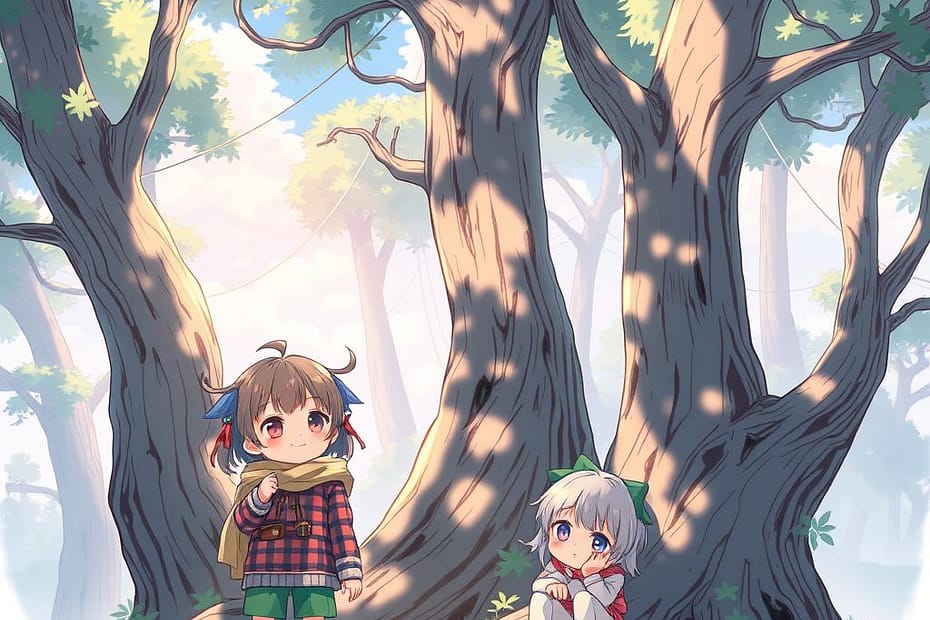
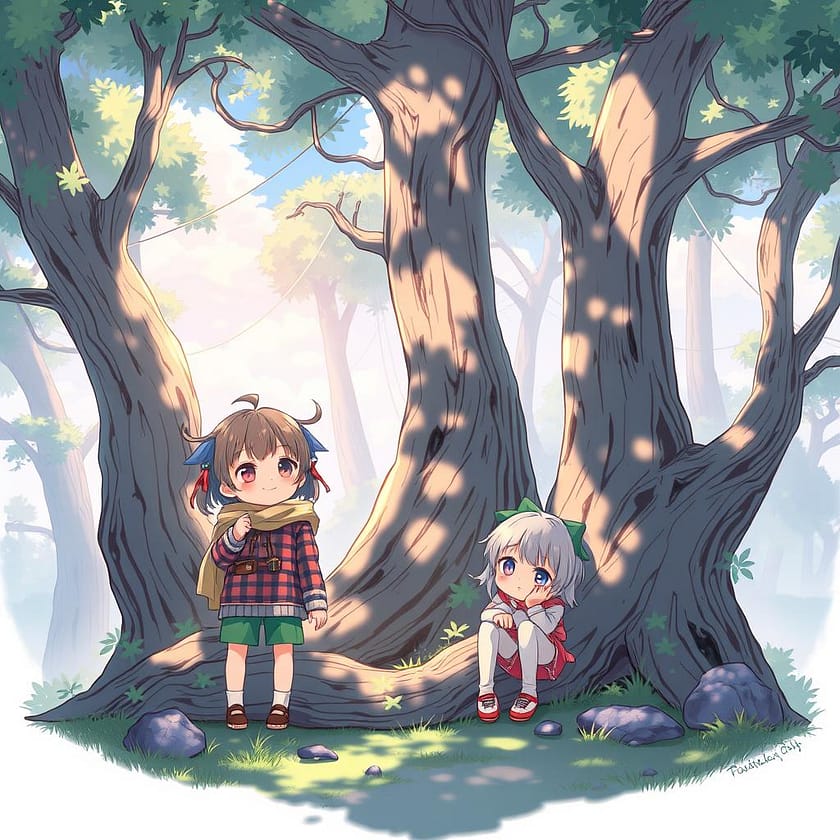
Twinkle Pete and his friends in the forest
Educational Games and Puzzles About Trees
Tree-themed crossword puzzles and word searches are a fantastic way to combine learning and fun. Create or find printable puzzles focusing on different types of trees, tree parts, or their roles in the ecosystem. Kids can work on these alone or in groups, fostering both knowledge and teamwork.
Interactive online games related to tree biology can also be educational. Websites dedicated to environmental education often feature games that teach kids about photosynthesis, the water cycle, and the importance of trees. These games are designed to be engaging, making learning about complex processes a breeze.
Tree trivia and quiz competitions can spark a bit of friendly competition. Create a set of questions covering everything from tree anatomy to different species and their unique characteristics. Organize a quiz night or a trivia afternoon where kids can test their knowledge, win small prizes, and, most importantly, learn something new.
Matching games involving leaves, seeds, and bark can also be very effective. Use cards or digital apps that require kids to match different parts of trees, helping them visually recognize and remember each detail. This kind of visual learning is particularly helpful for younger children who may be just starting to explore the natural world.
Another idea is creating a tree memory game. Just like the classic memory game, but with pairs of tree-related images such as leaves, fruit, and bark. This helps increase familiarity with different tree species and their unique features.
Educational games and puzzles add an interactive dimension to learning about trees. They turn facts into fun challenges, helping kids retain information more effectively. And hey, who doesn’t love a good game? Grab some puzzles or open up a game and dive into the wonderful world of trees!
Science Experiments and Tree Observations
One of the most hands-on ways for kids to learn about trees is through science experiments and observations. Start with a simple yet impactful activity: planting a tree. This can be done in your backyard or as part of a community project. Watching the tree grow over weeks, months, and even years helps kids understand the life cycle of trees and the care they need.
Measuring tree height and calculating a tree’s age can be another interesting experiment. Teach kids the method of measuring a tree’s height using a stick and some basic math. Similarly, counting tree rings on a fallen log or stump can offer insights into the tree’s age and the environmental conditions throughout its life.
Exploring photosynthesis can be made into a fun project. Set up a small controlled experiment where kids can see how leaves turn sunlight into food. This could involve placing leaves in sealed bags, exposing them to different light conditions, and observing changes.
Water absorption experiments are another favorite. Place a celery stalk in colored water to show how water travels up through the plant. This mimics how trees absorb water from their roots to their leaves. It’s a visual and engaging way to teach about the tree’s vascular system.
Tree observations can also include making a tree diary. Encourage kids to pick a particular tree and observe it over a period. They can note changes in leaves, any animal visitors, and even sketch what they see. Photographing the tree at different times can also provide a visual record of changes.
Science experiments and observations provide an opportunity to integrate learning with real-life applications. They make abstract concepts tangible and accessible, igniting curiosity and a deeper understanding of trees. Set up some experiments and get ready to watch those young minds grow along with the trees!
Seasonal Changes and Tree Observation
Understanding how trees change with the seasons can be a magical experience for kids. Trees go through significant transformations throughout the year, and observing these changes can foster a deeper appreciation for nature. Start by explaining the four seasons and how each one impacts trees differently.
Documenting seasonal changes with photos and diaries can be a fun and educational activity. Give kids a journal or a simple calendar and ask them to note down what they see as seasons change. They can take pictures, draw, or write about the tree’s colors, the shape and presence of leaves, and any fruits or flowers that appear. This ongoing project helps them notice the subtle and significant changes that trees undergo.
Another hands-on activity is creating a seasonal tree calendar. Use a large poster board and have kids draw or paste pictures of a tree in each season. They can add details like falling leaves in autumn, blossoms in spring, and snow-covered branches in winter. This visual representation reinforces their understanding of seasonal cycles and the role of trees in each.
Incorporate activities like making leaf crowns in fall, flower pressing in spring, and snow art in winter. These seasonal crafts connect kids with the unique characteristics of each period and show how trees adapt to survive and thrive.
Spending time outdoors to observe these changes firsthand is key. Regular visits to the same tree can help kids develop a personal connection with it. Encourage them to touch the bark, collect fallen leaves, and even listen to the sounds around the tree. These sensory experiences deepen their understanding and create lasting memories.
Observing seasonal changes helps kids see the dynamic nature of trees and the environment. It makes learning about seasons and trees an ongoing adventure rather than a one-time lesson. Grab those journals and cameras and watch as the seasons unfold in front of your eyes!
Storytelling and Books About Trees
Recommended children’s books about trees can open up a new world of understanding and imagination. Classics like ‘The Giving Tree’ by Shel Silverstein or ‘A Tree is Nice’ by Janice May Udry are perfect for younger readers, while ‘The Lorax’ by Dr. Seuss offers a powerful message about environmental stewardship for older kids. Visiting the local library or bookstore to find these gems can make for a great outing.
Storytelling sessions under a tree canopy can make the experience even more magical. Gather some comfy blankets and pillows, and sit under the shade of a big tree during a sunny afternoon. Reading aloud about trees while being surrounded by them creates an immersive experience that’s hard to beat. Kids can then share their favorite parts of the story or even come up with their own endings. It’s a great way to encourage both listening and storytelling skills.
Encouraging kids to write their own tree stories can further enhance their understanding and creativity. Prompt them with questions like, ‘What would a tree say if it could talk?’ or ‘How did this tree come to be?’ They can write short stories, draw accompanying illustrations, or even compose poems. This activity helps kids connect emotionally and intellectually with the subject, making their learning personal and memorable.
Another exciting activity is having kids act out tree-related stories. Choose a simple story and let them take on different roles—maybe someone is the tree, others are animals living in and around it. This kind of role-playing can make the stories come alive and help kids better understand the relationships within an ecosystem. Plus, it’s a fun way to get them moving and engaged.
Storytelling and reading about trees cultivates a love for nature and literature. These activities blend the imaginative world of books with real-world observations, creating a balanced and enriching learning experience. Snuggle up with a good book and let the magic of trees unfold through the pages!
Community Projects Involving Trees
Participating in local tree planting events is a fantastic way to make a tangible impact. Many organizations hold annual tree planting days, often in parks or urban areas that need more greenery. Join one of these events and let kids get their hands dirty while learning about the importance of reforestation and community involvement. It’s a great opportunity for them to see how collective efforts can lead to significant environmental benefits.
Starting a school or neighborhood tree club can turn environmental awareness into a fun, ongoing activity. Kids can meet regularly to discuss different types of trees, plan outings to local parks, and even monitor the health of trees in their area. They could adopt a ‘club tree’ to take care of, documenting its growth and changes over time. These clubs foster a sense of responsibility and camaraderie while promoting environmental education.
Volunteering for tree conservation initiatives offers another layer of understanding and commitment. This might involve helping with tree maintenance tasks like mulching, watering young trees, or removing invasive species. Check with local environmental organizations to see what volunteer opportunities are available. Volunteering helps kids see the ‘behind-the-scenes’ work that goes into keeping trees and forests healthy, deepening their appreciation and sense of stewardship.
Organizing a tree-themed community art project can also engage kids and neighbors alike. Create a mural celebrating the trees in your area or a local park. Encourage everyone, kids and adults, to contribute their own tree drawings, leaf rubbings, or bark prints to a giant community collage. This combines creativity with environmental activism and results in a beautiful, shared art piece that everyone can be proud of.
Community projects involving trees are not just educational; they build a sense of belonging and shared responsibility. They make the abstract idea of environmental stewardship concrete and actionable. By participating in these projects, kids can see firsthand how collective efforts can lead to meaningful change and develop a lifelong commitment to the environment. Roll up those sleeves and get ready to make a difference!
Conclusion: Lifelong Love and Respect for Trees
Reflecting on the activities and lessons shared, it’s clear that teaching kids about trees is more than just imparting knowledge—it’s about fostering a connection with nature that can last a lifetime. By combining education with fun, engaging activities, you create an environment where kids can develop a genuine interest and respect for the natural world.
The journey through tree identification walks, creative crafts, educational games, science experiments, and seasonal observations has hopefully sparked curiosity and wonder. These experiences lay a strong foundation for environmental stewardship and personal growth.
Encouraging ongoing curiosity is key. Let kids ask questions, explore new outdoor spaces, and continue observing the trees around them. Whether it’s through reading more books, taking part in community projects, or simply spending more time under the canopy of a beloved tree, there’s always something new to learn and appreciate.
Fostering a lifelong connection to trees goes beyond the activities themselves. It’s about creating memories and experiences that will stay with kids as they grow. Support their journey by providing opportunities to interact with nature and encouraging them to share what they’ve learned with others.
With the right guidance and opportunities, kids can develop a profound love for trees and nature. This love and respect can lead them to become advocates for the environment, making positive impacts throughout their lives. So, keep nurturing that curiosity, keep exploring, and watch as a lifelong bond with the natural world blossoms.
Botanicus Plus a GPT for starters and experts
Botnicus Plus boasts an array of new features, enhancing its global appeal and user interaction. These include: 1) Multilingual Support for accessibility in various languages. 2) Virtual Tours of famous botanical gardens and historical plant sites. 3) A Botanical Identification Tool for users to upload and identify plants. 4) Seasonal Guides and Tips tailored to local climates and regions. 5) Opportunities for users to engage in Collaborative Projects and Citizen Science Initiatives. 6) Advice on Sustainable Gardening Practices. 7) Interactive Q&A Sessions with botany experts. 8) Personalized Plant Care Reminders for gardeners. These features enrich Botnicus Plus’s mission to provide comprehensive, interactive, and culturally rich botanical education, fostering a deeper connection with the natural world.
Enjoy!👒
Thank you for likes, shares and comments! 🌳🌴🌲🌵
Source OpenAI’s chatGPT-4 Language Model, AI trot and Fleeky, images Picsart and MIB
Invest in your future
Take time to learn
Embark on your journey in affiliate marketing and website creation alongside an incredible community and myself. Invest in your future by dedicating time to learn and earn. Take all the time you need to master the basics before aiming higher. Give it a try and sign up for free. You won't regret it! Discover the possibilities for yourself...