

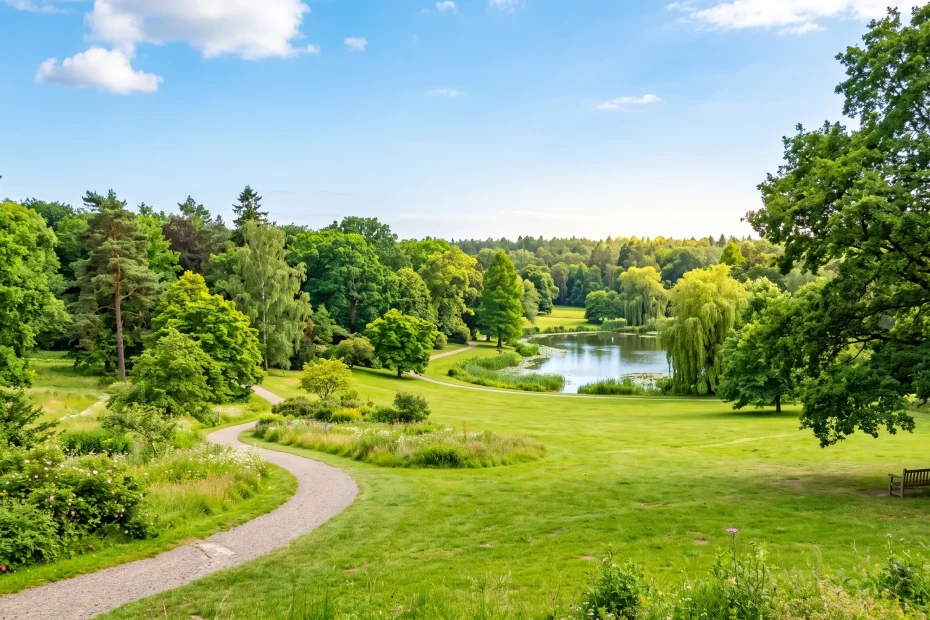
Encourage Community Involvement In Tree Planting
If you’re looking to make a lasting impact in your community, tree planting offers a really practical way to get involved. Trees do a lot more than just look good. They boost air quality, support wildlife, and give neighborhoods a friendly, shaded vibe. The challenge is that getting people together and making sure the project sticks isn’t always straightforward. Based on what I’ve seen in different neighborhoods, successful community tree planting comes down to sparking interest, keeping things organized, and making the experience welcoming for everyone. I’m going to share what works, highlight some creative ideas, and walk through steps you can count on if you want to encourage community involvement in tree planting.
Why Community Involvement Matters in Tree Planting
Tree planting goes way beyond just digging holes. When local people have a hand in planting, those trees are much more likely to thrive. A strong sense of ownership often leads to better care, more teamwork, and a greener space everyone enjoys. Neighborhoods really benefit from all sorts of small contributions. Watering, checking for pests, or simply learning about the different trees can make a meaningful difference. When a community rallies around a shared project, even small parks can become mini green oases where people gather, connect, and feel good about their initiatives.
Urban planting projects are growing nationwide. Cities often see more interest from residents who hear about the environmental perks—cleaner air, lower summer temperatures, and better habitats for local birds and pollinators. Organizations like the Arbor Day Foundation have statistics showing that tree planting projects with local volunteers have better survival rates and stronger neighborhood support in the long run. The benefits are both broad and personal: with each new tree planted, the entire community breathes easier and feels more connected.
Trees can even help bring people of all ages together. From parents and kids looking for a fun Saturday project to retirees wanting to leave a positive mark, there’s room for everyone. Whether it’s teens earning volunteer hours or seniors sharing gardening wisdom, almost every city or suburb I’ve visited feels the difference when locals are involved from the start. It creates stronger relationships and transforms simple plots of land into community landmarks.
Get Started with 6 Steps for Organizing Community Tree Planting
Building momentum often starts with a clear goal and a bit of outreach. Once a few folks catch the bug—for a greener street, a shadier playground, or even a pollinator friendly corner—the rest usually follows. Here’s a basic framework to help you set up something similar in your own area:
- Choose a Clear Project Area: Public parks, schoolyards, street medians, or even unused lots can work. Walking through the space with a small group helps everyone picture the potential and imagine how the spot might change for the better.
- Find Partners: Local garden clubs, schools, or environmental groups can offer advice, helpers, or sometimes free trees and tools.
- Get Needed Permissions: Contact your city or neighborhood association. Many towns have staff to help with choosing the right species and giving permits.
- Pick Suitable Tree Species: Native trees usually thrive with less water and care. Local experts or nursery staff are super useful for advice on which trees stand up best to the local climate.
- Plan the Event Logistics: Set a simple schedule and gather supplies. Snacks and water are always a good idea for volunteers, and making a checklist ensures nothing essential gets overlooked.
- Promote the Event: Social media, flyers, and word of mouth can all help draw in a crowd, especially if you mention family activities and ecofriendly messages.
I’ve found that clear communication and a relaxed, social vibe are key when first getting people on board. Offering an easy entry point, like a planting demo or free mulch, encourages those who may be new to gardening or not sure where to start. Breaking down tasks into easy, achievable steps makes the whole effort feel less daunting, and handing out short, friendly guides can smooth the way for beginners.
Common Challenges and How to Handle Them
Even with a group of enthusiastic volunteers, tree planting projects can hit a few snags. Here are some typical hurdles, as well as some practical ways I’ve seen communities overcome them:
- Interest drops off after the big event: Some folks may attend a planting day but forget about ongoing care. Rotate watering shifts or set up reminder texts to keep everyone involved and accountable.
- Limited resources and funding: Crowdfunding platforms, local businesses, and even city microgrants can cover costs for mulch, tools, or signage. Keeping budgets simple and transparent helps everyone feel involved in the process.
- Picking the wrong tree type for the area: Double-check with local nurseries or arboretums to avoid species that struggle in your region. This simple step can save time and resources in the long run.
- Coordination headaches: Free project management apps can help track schedules and who’s bringing what, making things smoother on event day.
None of these issues needs to stop a project in its tracks. Sharing responsibility and encouraging questions go a long way. Volunteers won’t know all the answers, and that’s fine. Reaching out for help makes things more collaborative and fun, and it creates a learning culture for everyone involved.
Creative Ways to Spark Community Involvement
Keeping energy high and attracting new volunteers isn’t all about flyers or social posts. I’ve seen some really clever incentives motivate neighbors to join in:
- Host a Tree Naming Contest: Kids especially love naming new trees, and it helps everyone remember them as part of the community.
- Offer Tree Planting Workshops: Short, hands-on lessons can give a boost to skills and turn beginners into confident helpers. These workshops can focus on planting techniques, tree care basics, or even broader sustainability tips.
- Make Planting an Annual Tradition: Hold a spring or fall “green day” each year, building anticipation, and stronger roots for the next season. Over time this can become a real community highlight.
- Celebrate with Food and Music: Bringing out snacks, live music, or even a food truck can make the day social and memorable, strengthening bonds between neighbors and making the event feel festive.
- Create Tree Care Teams: Divide the area so small groups look after “their” trees. Friendly rivalries or check-ins keep things lively and help spread out the work of ongoing tree care.
It often helps to connect tree planting with bigger sustainability themes, such as Earth Day, climate action, or pollinator habitats. Storytelling matters, too. Sharing progress photos or letting neighbors post their own before and after shots keeps interest alive on social media and in local newsletters. Encourage people to share stories of why they wanted to join, as personal connections make the project meaningful for the whole group.
Tree Planting Projects for Different Audiences
In my experience, projects run smoother when they fit the people involved. Here are a few ideas:
- Families: Short, hands-on projects with craft stations, scavenger hunts, or simple tasks work well for kids and their grownups. Activities like creating personalized tree markers or tree drawing contests add a playful twist.
- Schools: Partnering with teachers makes tree planting part of science lessons or environmental clubs. Follow-up activities, like measuring tree growth over time, keep learning ongoing and connect classroom lessons to the real world.
- Local Businesses: Small companies often sponsor treeplanting by donating snacks, supplies, or volunteer hours. It brings positive publicity and builds customer loyalty, while also fostering teamwork among employees.
- Young Adults and College Groups: Offering service hours, leadership roles, or eco-club partnerships draws in high-energy volunteers. These groups often bring fresh ideas for publicity and event planning.
Tailoring each project for its audience helps boost participation and builds real investment. I’ve seen elementary school kids come back just to check on “their” tree months later, so including follow-up visits or tree care days pays off by building a personal bond with the project. Consider capturing stories or quotes from participants to highlight their ongoing involvement and create a sense of shared accomplishment.
Key Tools and Resources for Community Tree Planting
While planting trees usually only needs some basics, having the right stuff makes it more welcoming for new volunteers. Here’s what comes in handy:
- Sturdy shovels and gloves (including kid-sized if possible)
- Mulch or compost to help young trees thrive and retain moisture
- Watering cans or hoses for establishing roots
- Simple printed guides or instructions, especially if teaching tree care basics
- First aid kit and plenty of water for people, too
Local government offices, conservation groups, and nurseries often offer extra resources like site inspections, treeplanting tips, or even grants for new projects. The USDA Forest Service and Arbor Day Foundation are two big names worth checking out if you need some starter guides and support. Many states have urban forestry offices as well, which can point you toward trusted local advisors and hands-on support. If you need inspiration, look for community groups that share their planting stories online. There are also interactive maps and civic apps to help you track down planting opportunities in your area and learn from others’ experiences.
Frequently Asked Questions
Here are some questions that often come up when planning a new tree planting initiative:
How do I pick tree species that will do well in my area?
Reach out to local arborists, nurseries, or university extension programs. Native species are usually low maintenance and tough enough for local weather. Using what works locally not only promotes healthy trees but also helps local wildlife and brings out the wild beauty unique to your region.
What’s the best season for a tree planting event?
Spring and early fall are usually the best times to plant, since trees get enough moisture and moderate temperatures to start strong roots. Planning ahead ensures your planting event matches up with regional climate rhythms so the trees get off to the best possible start.
How do we keep people involved after the planting day?
Setting up a group chat, organizing occasional “tree care meetups,” and sending out friendly reminders can help keep the momentum going. Celebrating small milestones, like new leaves or blossoms, also brings people back. Try fun updates such as “Tree of the Month” features or mini contests to keep spirits high and interest steady.
Are there grants or funding for small community tree projects?
Yes! Many city governments, local businesses, and nonprofits fund neighborhood greening. Check out community development offices or organizations focused on urban forestry. Don’t hesitate to ask around, as local conservation districts and national organizations sometimes run grant rounds just for small, community-driven projects.
Final Thoughts
Trees add real value to communities, and the best projects start with neighbors working together. Encouraging people to join doesn’t have to be complicated. Sometimes, just reaching out on social media or at a block party sparks the first wave of interest. Offering simple, hands-on experiences and following up later can turn a single planting event into a tradition everyone looks forward to enjoying year after year. If you’re planning to try it yourself, start small, focus on fun, and invite everyone along for the adventure. Every tree planted makes your corner of the world just a little greener and friendlier for the next generation, building a legacy of beauty and climate resilience in your neighborhood.
Botanicus Plus an AI PLUGIN for starters and experts
Botnicus Plus boasts an array of new features, enhancing its global appeal and user interaction. These include: 1) Multilingual Support for accessibility in various languages. 2) Virtual Tours of famous botanical gardens and historical plant sites. 3) A Botanical Identification Tool for users to upload and identify plants. 4) Seasonal Guides and Tips tailored to local climates and regions. 5) Opportunities for users to engage in Collaborative Projects and Citizen Science Initiatives. 6) Advice on Sustainable Gardening Practices. 7) Interactive Q&A Sessions with botany experts. 8) Personalized Plant Care Reminders for gardeners. These features enrich Botnicus Plus’s mission to provide comprehensive, interactive, and culturally rich botanical education, fostering a deeper connection with the natural world.
Botanicus-plus Plugin