
When To Plant Trees For Optimal Growth
Choosing the best time to plant trees makes a big impact on how healthy and fast your trees will grow. I’ve seen way too many people just stick a sapling in the ground without thinking about timing or the weather, only to watch their trees struggle and never really take off. Knowing when to plant (and when not to) can make all the difference between a thriving, beautiful tree and an expensive disappointment.
So, if you want your trees to settle in quickly, burst out fresh roots, and stick around for decades, it’s worth getting the timing right. This guide breaks down everything you need to know about the best times, climate factors, and practical tips for planting trees to give them their best shot at successful growth.
Understand the Importance of Timing for Tree Planting
The main reason timing matters is that young trees need to establish roots before dealing with heavy heat, harsh cold, or really dry conditions. The right season gives them the chance to get comfortable in the soil, set out strong roots, and handle stress much better when tough weather comes around. Getting this part right can mean fewer pests, less watering, and a much happier tree overall.
A newly planted tree is like a kid in a new school; it needs some time to get comfortable and learn the ropes before facing any big challenges. If you plant at the wrong time, you might end up doing a lot of extra work just to keep your tree alive.
Best Seasons for Planting Trees
When people ask me, “When should I plant my tree?” my first answer is usually, “It depends on your climate and the type of tree,” but there are some general rules that work for most regions.
Why Fall is a Top Choice
- Cooler air, warmer soil: This combo lets trees focus on growing roots instead of putting out new leaves.
- Usually more rain: Moist soil means less watering for you and less stress for the tree.
- Less pest pressure: Most insects and diseases slow down in the fall, making it an easier time for trees to settle in.
In most parts of North America and Europe, fall planting (late September to early November) is a safe bet for many trees.
Spring Planting Works Too
- Soil starts to warm up: This wakes up both the roots and helpful soil microbes.
- Rain helps out: Spring showers reduce the amount you’ll need to water.
- Trees haven’t leafed out fully: Transplant shock is less likely if you plant before the tree starts pushing out lots of new growth.
If your ground freezes in winter, wait until soil is workable and the risk of hard frost has passed. Early to mid-spring (like March or April) is perfect in these areas.
Can You Plant in Summer or Winter?
If you ask me, summer and winter are pretty tough times for new trees. In winter, cold soil stops roots from growing, and in summer, heat and drought can stress trees out super quickly. There are a few exceptions (like planting in mild, coastal winters), but most backyard gardeners will find fall and spring the easiest by far.
Sometimes, if weather conditions are unusually mild or perhaps you’re working with containergrown trees that are well-watered and placed in sheltered locations, limited summer or winter planting may succeed, but it still comes with greater risks. For most people, sticking with fall or spring planting remains the most reliable path for strong tree growth and less aftercare.
Different Climate Zones, Different Guidelines
Where you live makes a big difference. The rules change a bit depending on local weather patterns, so here’s what I recommend:
- Cold climates (USDA zones 3-5): Spring planting is usually safest, as early frosts come quickly in fall and can freeze the soil. Wait until the ground is thawed and not soggy.
- Moderate/Temperate climates (zones 6-8): Fall or early spring is best. Both give the tree extra months to get rooted before hot or freezing weather hits.
- Hot/dry (Mediterranean or desert): Fall is usually safest. New trees can establish roots during your cooler, wetter season, so they’re ready for hot summer days. Mulching helps here a lot.
- Tropical/subtropical: Timing is all about rain. Plant at the start of the wet season for the easiest transition.
If you aren’t sure what climate zone you’re in, check out the USDA Plant Hardiness Zone Map or look up your local gardening extension for tips specific to your area. You can also ask local experts—other gardeners, plant nursery staff, or your local extension service can share valuable advice based on their experiences in your climate.
What Kind of Tree Are You Planting?
Different species prefer different schedules. As a general rule:
- Deciduous trees (lose their leaves in fall): Fall or spring works, but fall is often easier since they’re dormant and under less stress.
- Evergreens (keep their leaves or needles): Spring is best, as evergreens lose water through needles yearround and need time to get roots established before winter winds.
- Containergrown trees: More flexible timing, but still avoid deep winter or midsummer if you want the plant to thrive.
Check the plant tag or ask at a local nursery for recommendations on the exact type of tree you have, since some have unique quirks! Doing a bit of research can give you a leg up and make sure your tree is planted at the best time for its particular needs.
Step by Step? Plan Your Tree Planting Date
- Check last frost and first frost dates: Local planting calendars or gardening guides can help you pinpoint these.
- Watch the weather: Aim to plant on a cloudy, mild day to reduce transplant shock.
- Prep the soil ahead of time: Loosen it up so roots grow fast and water can get in easily. Skip planting on muddy or frozen soil days.
- Pick mornings or early evenings: Direct sun at midday can be too rough on young trees.
I like to mark my planting window on a calendar every year just to keep myself honest and avoid rushing the job. For added planning, create a checklist and gather all needed supplies, like mulch, a good shovel, and the right soil amendments before planting day.
Common Mistakes to Avoid When Planting Trees
- Planting too late in spring or fall: Waiting until summer heat or winter frost shows up can really hurt young trees.
- Planting during drought or soggy flooding: Trees need moist, but not soakingwet, soil for healthy roots.
- Ignoring specific tree needs: Some trees just won’t tolerate late planting or dry soil. Know your species before you buy.
- Skipping aftercare: Young trees need regular water for at least the first season.
- Not using mulch: Mulch holds moisture and keeps soil temperature even; skipping it can stress the tree.
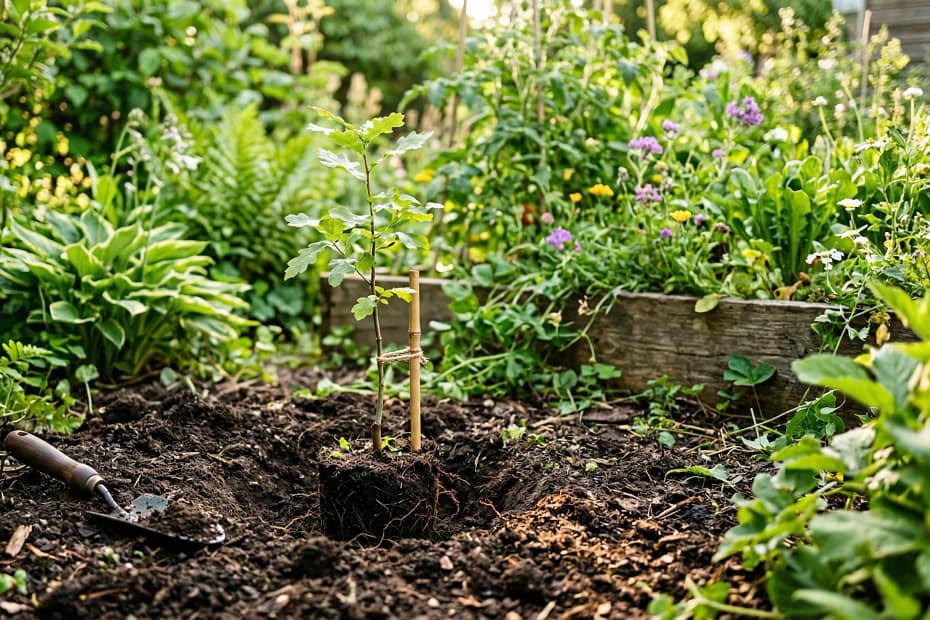
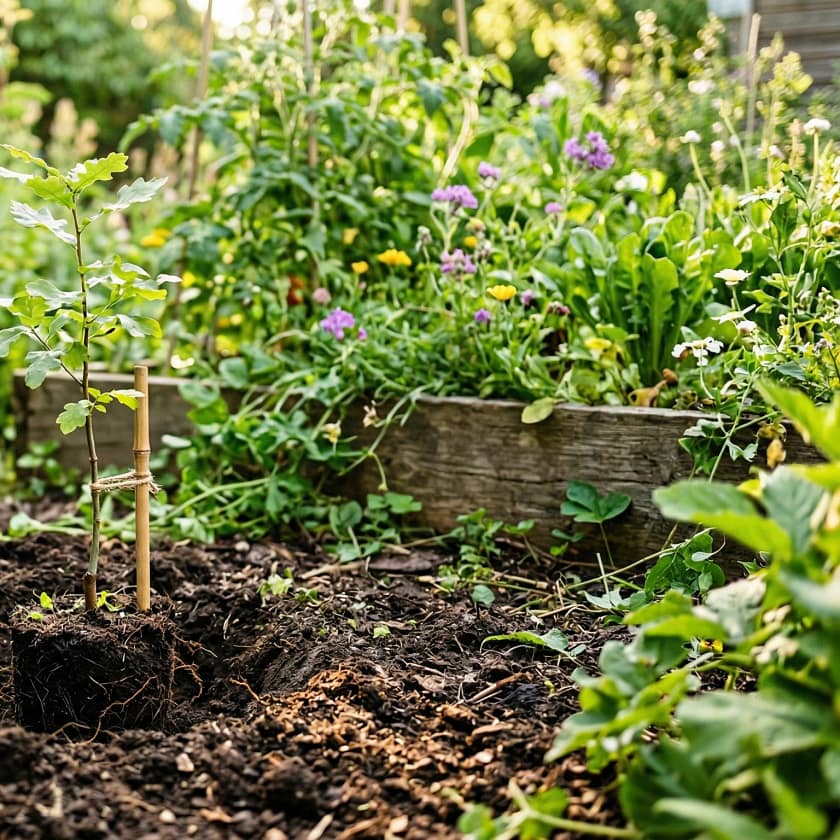
- Improper planting depth: Planting too deep or too shallow stunts growth. Make sure the root flare is level with the ground.
FAQ & Quick Troubleshooting
What if I already bought a tree midsummer?
Keep the root ball moist, shade it during the day, and plant late in the day if possible. Expect to water it regularly and consider extra mulch. Avoid planting on especially hot, windy days. If you must wait, keep the tree in a shaded spot and water it daily until conditions improve.
Is it ever too late to plant a tree?
As long as the ground is workable and you have at least 68 weeks before it freezes or gets super hot, you’ve still got a shot. After that, it’s safer to wait for the next planting season. Planting right at the edge of a major temperature change, though, puts the tree at risk, so plan early if you can.
How do I know if my tree is struggling after planting?
- Wilting leaves that don’t recover at night
- Leaves turning yellow or brown soon after planting
- No new growth after the first season
- Roots appear above soil instead of staying covered
Make sure you’re watering enough (but not too much); adjust mulch, and consider shade while the tree is getting established. If you spot pests or disease, act early and reach out to local experts for advice.
Ready to Get Digging?
Picking the right time for planting is one of the easiest ways to set your tree up for longlasting growth. Using the timing tips above helps your tree settle in faster, lets roots spread deep, and reduces stress for both you and your leafy new friend.
My GoTo Action Steps:
- Figure out your local planting window; either fall or early spring for most regions.
- Doublecheck the weather and your soil conditions the week before you plant.
- Prep your soil and get your tools ready ahead of time so you don’t have to rush.
- Ask a local nursery or gardening club for tips—they can offer valuable knowledge about trees that do best in your area and when to plant.
- Keep a tree care journal to track watering, weather, and growth during the first year. This makes it easier to spot (and fix) problems if they come up.
If your tree has special instructions, always follow the advice on the plant tag or from your local nursery. Taking a few extra minutes to plan now could save you years of headaches down the road. And don’t forget: the effort you put into choosing the right moment pays off with a tree that grows stronger and healthier in the long run.
Shop tips
Basic gardening projects on Amazon
basic gardening tools on Amazon
Botanicus Plus a GPT for starters and experts
Botnicus Plus boasts an array of new features, enhancing its global appeal and user interaction. These include: 1) Multilingual Support for accessibility in various languages. 2) Virtual Tours of famous botanical gardens and historical plant sites. 3) A Botanical Identification Tool for users to upload and identify plants. 4) Seasonal Guides and Tips tailored to local climates and regions. 5) Opportunities for users to engage in Collaborative Projects and Citizen Science Initiatives. 6) Advice on Sustainable Gardening Practices. 7) Interactive Q&A Sessions with botany experts. 8) Personalized Plant Care Reminders for gardeners. These features enrich Botnicus Plus’s mission to provide comprehensive, interactive, and culturally rich botanical education, fostering a deeper connection with the natural world.
Enjoy!👒
Invest in your future
Take time to learn
Embark on your journey in affiliate marketing and website creation alongside an incredible community and myself. Invest in your future by dedicating time to learn and earn. Take all the time you need to master the basics before aiming higher. Give it a try and sign up for free. You won't regret it! Discover the possibilities for yourself...