
A Forest Full Of Friends
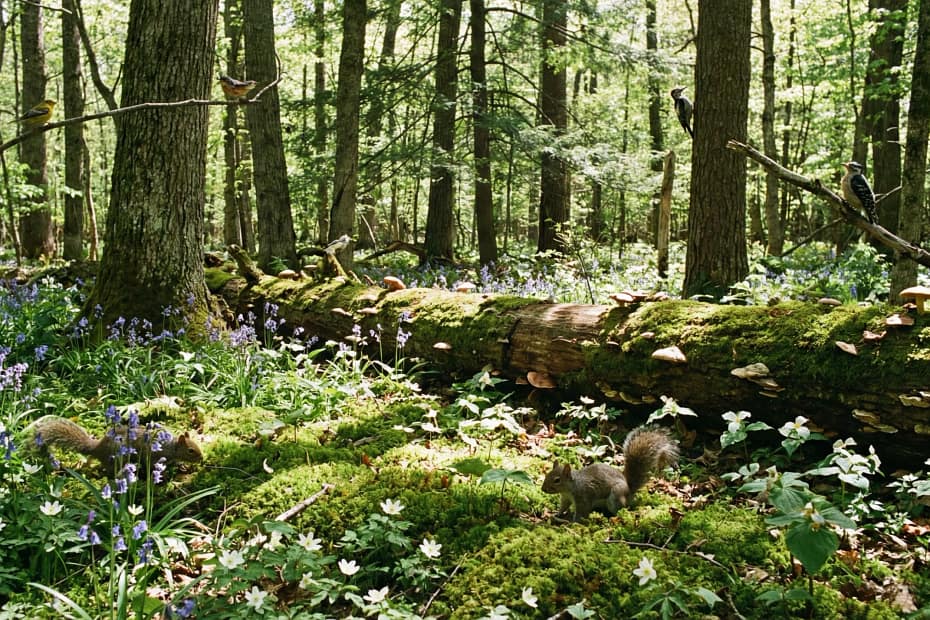
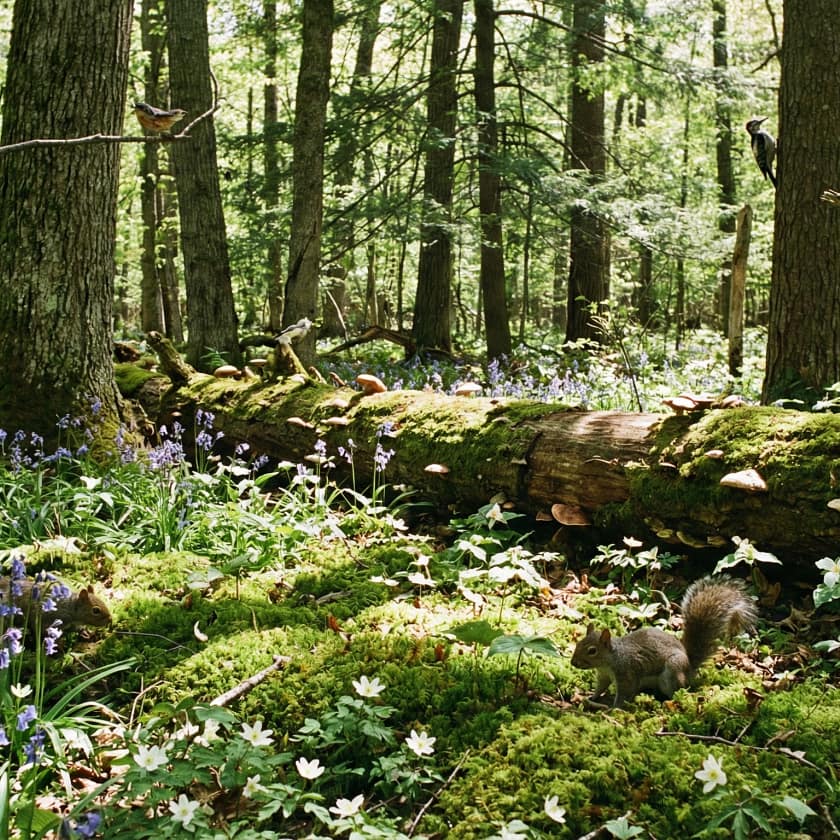
Stepping into a forest is like opening a storybook where all the characters are alive and waiting for you to notice them. I’ve always been fascinated by how every tree, animal, and tiny mushroom has its own part in this green community. Forests aren’t just about tall trees; they’re buzzing neighborhoods full of connections, teamwork, and surprises. So, here’s a look into what makes a forest full of friends such an amazing place to explore, whether you’re wandering for fun or just curious about the wild world outside your window.
The Heart of a Living Forest
It’s easy to see a forest as just a collection of trees, but it’s way more than that. If you stand still and listen, you’ll soon realize there’s a whole web of life beneath your feet and all around you. Forests work as natural communities, where every plant and animal plays a role in keeping the place healthy. From the largest oak to the tiniest beetle, everyone has something to contribute.
The science behind this is pretty cool. Trees send signals through underground fungal networks, sort of like how we use the internet, to share nutrients or warn each other about pests. Squirrels help grow new trees by forgetting their buried acorns. Birds, insects, and even wildflowers all link together in a wild version of teamwork you almost have to see to believe. That’s what makes a forest feel welcoming and alive—the feeling that everything’s connected.
Forests have been around for millions of years, shaping the land and climate around them. They help balance everything from rainfall to air quality, making them pretty important for animals (and people) almost everywhere. I find it comforting to know that when I step among the trees, I’m part of a story that goes back much farther than I can imagine.
Meeting the Friends
Who Lives in the Forest?
No matter what kind of forest you’re in, whether temperate, tropical, or somewhere chilly, the variety of life is huge. Some of the most recognizable “friends” are easy to spot, while others need a little patience or a careful eye. Here’s a quick rundown of common forest members:
- Trees and Shrubs: The backbone of the forest, providing shade, shelter, and food. Each species supports a different cast of animals and insects.
- Birds: From woodpeckers knocking on trunks to owls quietly gliding at night, birds fill the woods with sound and color.
- Mammals: Squirrels, deer, foxes, and even tiny shrews make their own paths under the trees. Some are out during the day, while many keep hidden until dusk or dawn.
- Insects and Spiders: Bees pollinate wildflowers, ants manage the soil, and spiders help control pests. It’s a busy, buzzing group that makes the forest tick.
- Fungi and Moss: These are the forest’s recyclers, breaking down old trees and leaves to feed everything else. Mushrooms pop up like little umbrellas after a rain.
Each visit I make to a forest, I meet someone new—even if it’s just a moth I haven’t spotted before. That’s a big part of why I keep going back.
Exploring a Forest Full of Friends
How to Get Started
Getting to know a forest is both easy and rewarding. I like to take things slow and keep my senses open. Here are some ways to start making friends with the woods:
- Pick the Right Spot: Local parks or woodlands are great for beginners. Make sure you follow trails at first to avoid getting lost.
- Bring Some Basics: A water bottle, a simple field guide, and maybe binoculars can make exploring a lot more fun.
- Stay Quiet and Look Around: Animals are likely to hear you before you see them. Moving slowly and listening is the best way to spot something cool.
- Keep a List or Journal: Lots of folks love tracking what they see—a bird, a type of wildflower, or even tracks in the mud. It’s fun to look back and see how much you’ve found over time.
- Respect the Residents: Stay on paths, don’t pick plants, and give animals plenty of space. A respectful approach makes it safe for everyone, humans and the wild crowd alike.
With these steps in mind, exploring a forest really starts to feel like meeting a bunch of old friends for the first time.
Things You Might Want to Know
Before Spending Time in Forests
Spending time in a forest is pretty special, but there are a few things to consider before you head out. Here are some friendly reminders to get the most out of your walk in the woods:
- Weather and Clothing: Dress in layers and bring a rain jacket. Forest weather can mix it up quickly, and being dry and comfortable makes your adventure way more fun.
- Getting Oriented: Forests can be confusing if you’re new to them. Maps, a compass, or a GPS app make a big difference, especially in larger woods or if the trails are less marked.
- Protect Yourself from Bugs: Mosquitoes, ticks, and other critters live here too. Using insect repellent and wearing long sleeves can keep you comfy and healthy.
- Leave No Trace: Carry out everything you bring in, including trash or food wrappers. Keeping the forest clean lets wildlife thrive and the place stay beautiful for everyone.
Stay Safe in the Forest
Sometimes, people worry about getting lost or running into wildlife. Letting someone know your plans, staying sharp on the trail, and sticking to marked areas are the best choices. Most woodland animals want nothing to do with people and will leave you alone if you respect their space.
Seasons and Changing Forests
One of my favorite things is seeing how the forest changes through the year. Spring and summer bring leaves, flowers, and new animal babies. Autumn is about brilliant colors and falling leaves. Winter strips things back, making it easier to see animal tracks and spot woodpecker holes. There’s always something new going on, no matter when you visit.
Extra Ways to Connect with Forest Life
After you get comfortable walking in the woods, you might want to dig into what’s happening around you.
Here are some hands-on ideas I’ve found really fun and interesting:
Join a Citizen Science Project: Many organizations host seasonal wildlife counts or invite hikers to log plant and animal sightings. It’s a fun way to learn and help researchers keep track of forest health. Track down groups like iNaturalist to get started.
Take a Local Nature Walk: Parks often have guides or naturalists who share cool details about local plants, animals, and geology. These walks can introduce you to new trails and the forest’s hidden characters.
Do Some Forest Bathing: This is about relaxing and soaking in forest vibes, with no pressure to spot rare animals or climb every hill. Research even suggests spending quiet time among trees can lower stress and improve your mood. This is called “shinrin-yoku” in Japan, and it’s really all about just being present in the forest environment.
Another way to really feel at home in the forest is by practicing mindful observation. Take a few minutes to pick a small patch of moss or a fallen log and just watch it closely. You might see insects at work, fungus starting to grow, or a bird stopping by. Noticing tiny details helps you appreciate the stories playing out at every level of the woods.
Frequently Asked Questions
Folks often have questions about forests, especially if they’re new to exploring the outdoors. Here are a few I hear all the time:
Question: What’s the best season to visit forests?
Answer: Each season has its own charm. Spring and summer are great for color and birds. Fall shows off beautiful leaves, while winter is awesome for tracking animals and seeing the structure of the woods.
Question: Can I bring my dog into the forest?
Answer: Many parks allow dogs, but usually on a leash. It protects wildlife and helps everyone enjoy their time, including those who aren’t comfortable around animals.
Question: How do I avoid ticks and other bugs?
Answer: Stick to the trail, wear long layers, and use insect repellent to limit bug bites. After your walk, check clothes and skin for ticks, just to be safe.
Question: Is it okay to take pictures or sketch plants and animals?
Answer: Absolutely! Taking photos or making drawings is a fantastic way to remember your adventure and learn more about what you see. Just try not to disturb plants and animals while you work.
The Big Picture and Why Forest Friendships Matter
After all my years exploring, what really stands out about a forest full of friends is how much it reminds us that every part, no matter how small or hidden, counts for something. Healthy forests mean cleaner air, safe homes for animals, and peaceful places for people to unwind. When I visit, I always leave feeling a bit more connected, not just to nature, but to my own place in this huge, wild story.
If you’re thinking about heading out to a local forest, grab a pair of sturdy shoes and maybe a friend. You never know who, or what, you might meet among the trees. The more folks who make friends with the woods, the better we all look after them, so give the forest a try and see which wild neighbors become your favorites.
Botanicus Plus a GPT for starters and experts
Botnicus Plus boasts an array of new features, enhancing its global appeal and user interaction. These include: 1) Multilingual Support for accessibility in various languages. 2) Virtual Tours of famous botanical gardens and historical plant sites. 3) A Botanical Identification Tool for users to upload and identify plants. 4) Seasonal Guides and Tips tailored to local climates and regions. 5) Opportunities for users to engage in Collaborative Projects and Citizen Science Initiatives. 6) Advice on Sustainable Gardening Practices. 7) Interactive Q&A Sessions with botany experts. 8) Personalized Plant Care Reminders for gardeners. These features enrich Botnicus Plus’s mission to provide comprehensive, interactive, and culturally rich botanical education, fostering a deeper connection with the natural world.
Enjoy!👒
Invest in your future
Take time to learn
Embark on your journey in affiliate marketing and website creation alongside an incredible community and myself. Invest in your future by dedicating time to learn and earn. Take all the time you need to master the basics before aiming higher. Give it a try and sign up for free. You won't regret it! Discover the possibilities for yourself...