
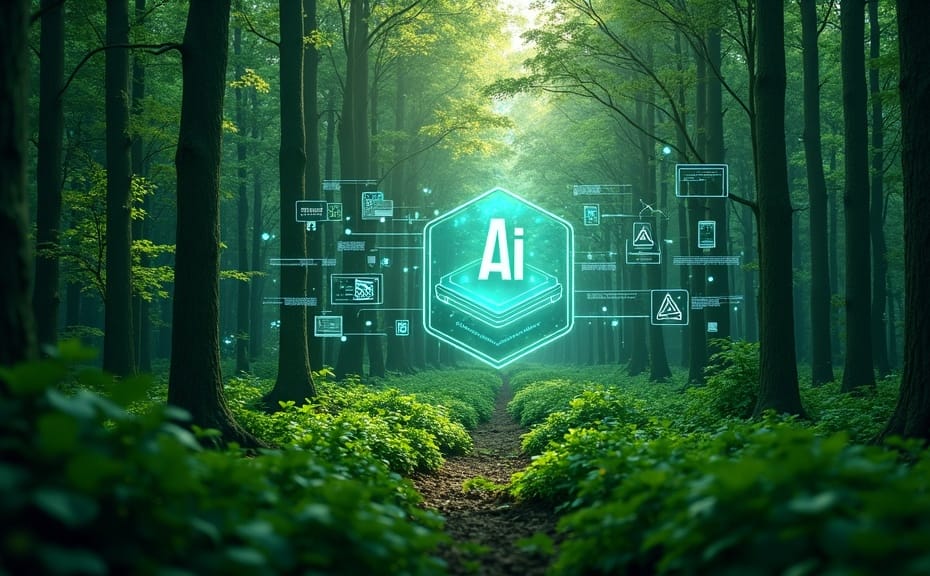
AI is shaking up how we manage forests, and I’ve seen firsthand how much easier and more effective it can make things. From keeping an eye on tree health to planning massive conservation projects, AI’s role in forestry keeps growing. If you’re starting to think about using AI for a forestry project, I’ve put together a practical guide based on what works best (and a few lessons learned the hard way!).

Why Use AI in Forestry?
Forests are super important for the planet. They help fight climate change, keep soil healthy, give us clean air to breathe, and provide food and shelter for tons of wildlife. Managing these spaces, though? It’s a real challenge, especially when fires, diseases, pests, and illegal logging are always threatening to mess things up.
AI is pretty handy for making sense of all the info we collect from drones, satellites, sensors, and ground surveys. With some well-chosen algorithms, I can spot danger zones, track forest health, and even predict where trouble might show up next. That kind of insight is turning proactive management from a dream into an everyday habit for a lot of forestry teams. By tracking changes over months or even years, managers can make smarter choices that support both conservation and responsible harvesting efforts. It’s also possible to jump into targeted restoration campaigns and reforest areas hit by disasters.
Get Started? The Key Steps to Adopting AI in Forestry
Getting into AI headfirst will probably leave you frustrated. I’ve learned that a step-by-step approach saves a lot of time and money. Here’s my own approach, broken down in a way that’s practical for almost any forestry group or company.
1. Identify Your Forestry Challenges
Start by figuring out your goals. Are you looking to catch early signs of diseases or pests? Maybe you’re hoping for better datadriven harvesting practices, or you want to track illegal logging faster. Whatever the need, get super clear on what you’re solving for. This helps you avoid tech for tech’s sake, and keeps your AI project laser-focused.
2. Collect and Organize Your Data
AI needs data like trees need sunlight. In forestry, this means collecting info from all sorts of places: field surveys, drone imagery, satellite photos, weather data, and even manual notes from rangers or local communities.
- Remote Sensing Data: Satellite and aerial footage are great for “big picture” forest health checks.
- Ground Data: Human observations, tree tagging, and small sensor networks fill in the gaps and catch stuff satellites might miss.
- Historical Records: Old maps, logging archives, and climate records help train AI to spot trends.
I always recommend running a “data health check” at the beginning. Making sure your data is accurate, current, and in the right formats saves serious headaches later. It can also be helpful to make a simple shared folder system or database that your whole team can add to, which encourages more thorough and regular data collection. As more high-quality data comes in, your AI results also get better.
3. Build Your Tech Stack
You don’t need a supercomputer; just tools that fit your goals. Sometimes, simple solutions work best. Common pieces of forestry AI workflows include:
- GIS Software: For mapping and visualizing your forest data.
- AI and Machine Learning Libraries: Tools like TensorFlow or PyTorch let you create and test different algorithms. Plenty of off the shelf options exist now, too.
- Data Storage: Cloud storage or local servers to organize all your imagery, numbers, and notes.
If technical expertise is limited on your team, there are lots of ready-to-use platforms built for forestry. These often bundle mapping, prediction, and dashboard tools so even noncoders can get results quickly. Consider using mobile-friendly apps that allow field rangers to input data directly, making it easy to bridge the gap between fieldwork and digital analysis.
4. Train the AI Models
This is really where things get interesting. Start by picking a model that fits the job (object detection for identifying tree species, change detection for illegal logging, and so on).
Training involves feeding the AI your data and letting it learn patterns. The more labeled data you provide, like “this patch of trees is healthy,” “here’s a disease outbreak,” and so on, the smarter the model gets. Expect this step to take a little patience, but that pays off down the line. You can also partner up with universities or data science volunteers to ramp up your training phase if you want a broader skillset for your project.
5. Test and Validate Your AI
After training comes testing. I usually start with a section of the forest where I know the outcome, like a grove that was logged last year or a patch hit by pests. Check if the AI gets it right. Validation isn’t a one and done deal; it will take a few tries before you trust the results for the entire forest.
Regular accuracy checks and having humans double-check the conclusions of your AI are part of what makes a program dependable. Over time, the model can learn from its mistakes and improve. If it keeps making similar errors, examine the training data or consider tweaking the settings.
6. Deploy and Monitor in the Field
Once the AI works well in testing, it’s time to set it free on real-world data. Whether you’re sending out notifications to rangers when fires start or mapping where new growth is happening, your team needs to know how to use the tools.
I’ve found that ongoing training works best. Set up regular checkins with end users, refine the dashboard and reporting features, and listen to feedback. Having boots on the ground input will turn your AI from “another dashboard” into a tool teams actually use. If possible, provide printed guides or videos that your team can reference when learning the new system.
Common Challenges When Implementing AI in Forestry
Every project hits speed bumps. These are the issues I see most often, and a few ways I handle them:
- Inconsistent Data Quality: Gaps, duplicates, or errors will confuse your AI. Building good data cleaning habits early keeps things running smoothly.
- Limited Technical Skills: Small teams might not have a fulltime data scientist. Try starting with prebuilt AI tools or partner up with universities that run forestry or AI research projects.
- Connectivity Problems: Forestry often happens in remote areas, where internet is spotty. Offlinecapable devices and tools that sync when connected can make a big difference.
- High Initial Costs: Collecting good data and buying hardware isn’t cheap. Piloting on a small area first helps justify broader investment.
Advanced Tips for Getting More Out of AI in Forestry
Once you’ve got the basics down, here are some ways I’ve seen forestry projects take things up a notch with AI:Make Use of Real-Time Monitoring:
Link up AI with real time sensors for instant alerts about fires, illegal activity, or sudden disease outbreaks. Quick action saves a lot of trees.
Combine Data Sources:
Blending drone, satellite, weather, and ground level data makes predictions more accurate and less likely to be tripped up by one flawed source.
Iterate With the Community:
Invite local communities into the project. Citizen scientists can collect data, spot errors, or help double-check what the AI finds. More eyes and ears on the ground always helps.
Automate Routine Reporting:
AI can save tons of time by generating automated maps, harvest plans, or alerts, freeing up your team for bigger picture goals.
Real-World Examples? How Forestry Teams Use AI
- Wildfire Prediction: AI models use weather patterns, historical fire outbreaks, and satellite data to spot risk zones before fires even start.
- Illegal Logging Detection: Automatic analysis of satellite images highlights forest loss in almost real time, so antilogging patrols know exactly where to go.
- Species Identification: Using drone images, AI can recognize and track species across huge reserves, far faster than ground crews could move.
- Carbon Stock Estimation: Machine learning makes it easier and faster to estimate how much carbon is stored in a forest, which matters for climate reports and grant applications.
Frequently Asked Questions
Question: Do I need to be an AI expert to use these tools?
Answer: It definitely helps to have a little tech comfort, but many forestry-focused AI tools are no-code or low-code these days. Plenty of resources and tutorials are available, and starting small helps build confidence as skills grow.
Question: What’s the biggest benefit of using AI in forestry?
Answer: For me, the biggest advantage is fast, accurate insights that let teams be proactive instead of always in damage-control mode. This means healthier forests and more sustainable management.
Question: How much does it usually cost to start?
Answer: Costs really depend on the scale and the hardware you use (drones, sensors, and so on). Starting with a smallscale pilot helps control costs while showing results you can build on.
Final Thoughts
Rolling out AI in forestry isn’t only about buying the latest gadgets or fancy software. It’s about focusing on problems you want to solve, starting small, and working with the data and people you already have on hand. Once things are up and running, AI becomes your team’s trusted sidekick for tackling forest management smarter and a lot faster than ever before. With a willingness to try new methods, listen to feedback, and let the data guide your actions, your forestry project can go well beyond what was possible even a few years ago. If you’re ready for healthier forests and smarter conservation, now might be the perfect time to check out what AI can do for your corner of the world.
Botanicus Plus a GPT for starters and experts
Botnicus Plus boasts an array of new features, enhancing its global appeal and user interaction. These include: 1) Multilingual Support for accessibility in various languages. 2) Virtual Tours of famous botanical gardens and historical plant sites. 3) A Botanical Identification Tool for users to upload and identify plants. 4) Seasonal Guides and Tips tailored to local climates and regions. 5) Opportunities for users to engage in Collaborative Projects and Citizen Science Initiatives. 6) Advice on Sustainable Gardening Practices. 7) Interactive Q&A Sessions with botany experts. 8) Personalized Plant Care Reminders for gardeners. These features enrich Botnicus Plus’s mission to provide comprehensive, interactive, and culturally rich botanical education, fostering a deeper connection with the natural world.
Enjoy!👒
Invest in your future
Take time to learn
Embark on your journey in affiliate marketing and website creation alongside an incredible community and myself. Invest in your future by dedicating time to learn and earn. Take all the time you need to master the basics before aiming higher. Give it a try and sign up for free. You won't regret it! Discover the possibilities for yourself...