

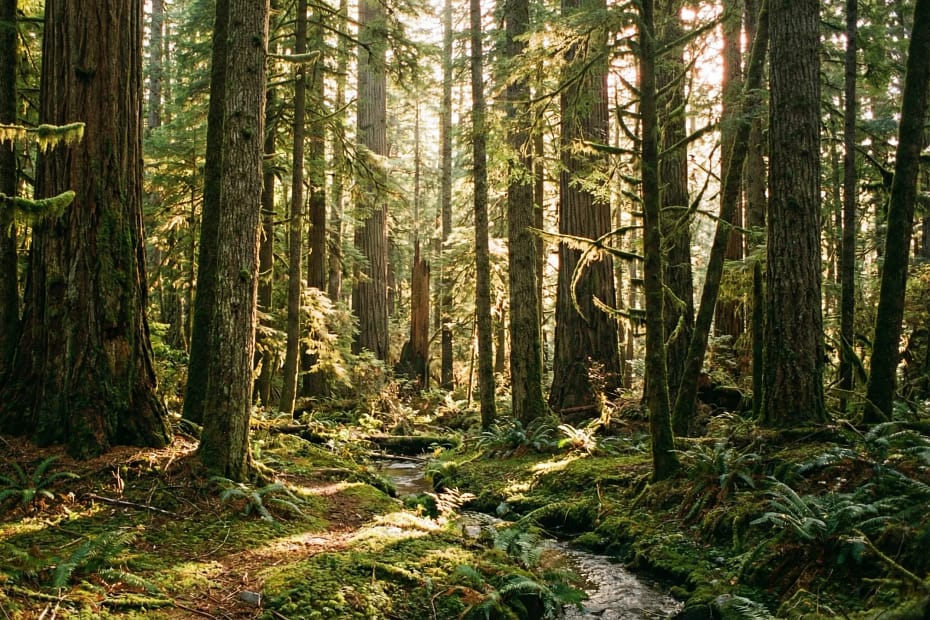
How Trees Improve Mental Well-being
The simple act of being surrounded by trees can have a striking effect on how you feel. Whether you’re strolling in a city park, hiking through the woods, or just glancing at leafy branches outside your window, trees radiate a calming, grounding presence. Plenty of research and real-life experience show how spending time around trees gives a boost to mental well-being in plenty of ways. Let me guide you through some of these benefits, adding personal tips for getting the most from trees for your mental health.
Understand the Link Between Trees and Mental Well-being
Spending time in green spaces isn’t just nice—it actually leads to real changes in mood and stress. People living in neighborhoods with more trees usually feel happier and less stressed compared to folks in areas with fewer green spaces. Scientists are backing these findings with a growing number of studies, and honestly, it’s easy to notice. I find that when I sit under a tree or walk along a wooded path, everyday problems seem a little easier to manage.
Researchers at schools like Stanford and the University of Exeter have found that people exposed to trees and green spaces report lower levels of anxiety and depression. Even checking out photos of trees or nature scenes can start to lift your mood. The likely reasons are rooted in how nature taps into our senses. Cool shade, gentle wind, and the relaxing green color all tell our brains to settle down and breathe.
How Trees Impact Your Mood and Mind
Trees do a lot more than just create a lovely view. Here’s how they influence mental health on a deeper level:
- Lowering Stress: Studies show that being near trees tones down cortisol, a main stress hormone. With lower stress, you’ll probably notice better sleep, a lifted mood, and even a stronger immune system.
- Boosting Focus: Students with a view of tree branches outside their classrooms focus more easily and feel less run-down during long school days. Adults benefit too—a view of trees at work or home leads to better concentration and creativity.
- Supporting Recovery: Hospital patients who see trees from their window recover quicker and need less pain medication than those facing a blank wall. I’ve found that just five minutes under a leafy tree can reset my mood on tough days.
- Reducing Anxiety and Depression: Time around trees is linked to brighter moods and less overthinking. Some therapists use nature walks in treatment programs, and studies keep showing the positive effects.
Trees aren’t passive decoration. They’re allies that help us handle stress and step into routines that support better overall health.
Ways Trees Help With Specific Mental Health Challenges
Trees can help mental health both directly and by shaking up daily routines. Here are just a few clear examples worth noting:
- Managing Burnout: People burned out from work or everyday stress often find that being around trees helps them slow down and unplug. Forest areas bump up oxygen and calm mental overload.
- Helping Children with ADHD: Kids diagnosed with ADHD tend to show improved focus and behavior after some time playing in parks or schoolyards with lots of trees. If you know a child who struggles with focus, regular “tree time” fits perfectly into their weekly routine.
- Tackling Loneliness: Trees and green community spaces naturally bring folks together. When I’m out in these spaces, I always spot neighbors chatting, kids playing, or people just enjoying a casual rest on a bench. This helps fight off isolation, adding a weekly boost of connection.
- Calming Restless Minds: The quiet sound of leaves rustling, gentle sunlight, and the fresh smell of bark and earth all help anxious or restless minds find calm.
Think of trees as another part of your self-care toolbox, whether you use them for a peaceful break, meaningful connections, or just some regular alone time.
Get the Most Out of Time Among Trees
You don’t have to live in the forest to get mental health perks from trees. Even a quick walk in a park or a break on a shady bench can spark a noticeable difference. Here are some go-to routines to make time with trees meaningful:
- Take a Nature Walk: Head out to your nearest park, community garden, or tree-filled block. Spend at least 20 minutes strolling, sitting, or just people-watching among the trees. No need for an agenda—simply notice light, shapes, and the movement of leaves. Doing this weekly helps keep my own stress lower and thoughts clearer.
- Practice Mindfulness Under Trees: Find a spot under a tree, sit if you can, and just pay attention to your senses. Touch the bark, notice cool shade, listen to the soft rustle in the canopy. Outdoor mindfulness makes the calming effect of nature even stronger.
- Let Trees Fill Your View: Working from home or spending days inside? Sit near a window with a view of tree crowns or leafy branches. Even a small window view of swaying limbs brightens up my focus and mood throughout the workday.
- Volunteer for Tree Planting or Care: Join local groups that plant trees or tend to them in public spaces. Helping out gets you moving, lets you meet new people, and guarantees time with fresh air—all things that support a happier, more balanced mind.
The key is to repeat these practices until they fit right into your weekly or daily routine. Over time, the benefits only multiply.
Common Issues and How to Overcome Them
Sometimes, connecting with trees isn’t easy for everyone, especially in busy city settings or for those with tight schedules. Here’s how to get around a few common roadblocks:
- Lack of Access: Not every part of town has lots of trees. Still, even the smallest parks or a neighbor’s backyard tree can be a sanctuary. Explore rooftop gardens, community gardens, or care for indoor potted trees to grab the experience in your own space.
- Allergies: Pollen can make time near trees tricky. Pick species that don’t cause as many allergies or time your outings for after rain, when pollen is lower in the air.
- Busy Schedules: Tight schedule? Even five minutes in the shade of a tree or a quick walk around the block helps clear your head and gives a quick pick-me-up.
- Weather Challenges: Can’t get out because of rain or cold? Pull up vivid pictures of woodlands, leafy city streets, or nature soundtracks. It helps more than you’d think.
Make ‘Tree Time’ Routine
Building “tree time” into your routine is something I swear by. Maybe it’s morning coffee under a tree, a lunch break in a plaza with pines, or a regular stroll through a park. All these add a reliable anchor for brighter mental health. For more details backed by science, check out resources from the US Forest Service or NHS Green Social Prescribing services in the UK.
Trees in Everyday Life? Case Studies and Real-life Uses
The positive impact of trees isn’t just for outdoor fanatics. Here are some common ways trees make a difference in the lives of everyday people:
- Urban Spaces: City leaders are increasing tree cover because the evidence is clear—green neighborhoods are safer, and people report feeling happier and more at ease. Street trees also cool neighborhoods, making social gatherings and walks more pleasant for everyone.
- Schools and Workplaces: Schools with lots of tree cover tend to be calmer places. Some offices now add indoor trees or greenery, not just for looks but because employees focus better and show less stress when surrounded by green.
- Healthcare Spaces: Hospitals and clinics now plant healing gardens or surround their grounds with trees, giving patients a place to step outside and recharge emotionally, helping both loved ones and caregivers cope with tough moments.
There’s a solid pile of research supporting these trends, but I hear from friends and family that a quick walk through the trees always leaves them in better spirits.
Frequently Asked Questions
Lots of people check in with me about how to use trees for mental well-being. Here’s what I hear the most:
Question: How much time do I need to spend around trees to notice a change in my mood?
Answer: Even short sessions—as little as 20 minutes a few times a week—make an obvious difference for most people. If you have extra time, even better, but every little bit helps.
Question: What if I can’t visit a park or forest?
Answer: Indoor plants, window views of even a single tree, or vivid photos and nature sounds help almost as much as being outside. Creativity in bringing tree views into your life pays off when access is a challenge.
Question: Is it best to walk, sit, or get moving among trees?
Answer: All activities make a positive difference. Walk if you like motion, rest if you want calm, or even combine both. The main thing is being present and letting nature do its work.
Bring More Trees Into Your Life
Blending trees into your daily and weekly rhythm is a small step that can make life a whole lot brighter. Visit parks, plant a tree in your yard, or set up a leafy spot in front of a window indoors. Try out tree breaks during stressful days, join efforts to add trees in your neighborhood, or talk to your school or workplace about adding more greenery. To dig into more ideas and science on the subject, drop by the Mental Health Foundation or TreePeople. Your mind and body will thank you, one tree at a time.
Create your own digital Space!
Do you want to learn how I built ‘help43’ and started earning online?
Join me at Wealthy Affiliate to discover affiliate marketing, web building, and more!
Botanicus Plus a GPT for starters and experts
Botnicus Plus boasts an array of new features, enhancing its global appeal and user interaction. These include: 1) Multilingual Support for accessibility in various languages. 2) Virtual Tours of famous botanical gardens and historical plant sites. 3) A Botanical Identification Tool for users to upload and identify plants. 4) Seasonal Guides and Tips tailored to local climates and regions. 5) Opportunities for users to engage in Collaborative Projects and Citizen Science Initiatives. 6) Advice on Sustainable Gardening Practices. 7) Interactive Q&A Sessions with botany experts. 8) Personalized Plant Care Reminders for gardeners. These features enrich Botnicus Plus’s mission to provide comprehensive, interactive, and culturally rich botanical education, fostering a deeper connection with the natural world.
Enjoy!👒
Invest in your future
Take time to learn
Embark on your journey in affiliate marketing and website creation alongside an incredible community and myself. Invest in your future by dedicating time to learn and earn. Take all the time you need to master the basics before aiming higher. Give it a try and sign up for free. You won't regret it! Discover the possibilities for yourself...