


Trees As Natural Air Purifiers
Trees do more than just look pretty in parks and forests; they act as the planet’s big, leafy air cleaners. It’s really amazing how they help make the air around us safer to breathe. From city streets to rural woodlands, trees are always busy grabbing pollutants out of the sky, managing carbon dioxide, and returning clean oxygen to our environment. This constant, natural air cleanup is one of the best reasons to make trees a priority in both public spaces and private yards. If you’re curious about how they pull this off, what types of trees are the real MVPs, and how you can pitch in—even from your own backyard—read on for a look at these green powerhouses in action.
How Trees Clean the Air
Each time I trek through a green area in the city, I’m reminded that trees work silently to keep our air fresher. Their air purifying process comes down to a few key jobs:
- Absorb Carbon Dioxide: During photosynthesis, trees soak up carbon dioxide (CO2), a major greenhouse gas, and use it as fuel for growth.
- Release Oxygen: As they process CO2, trees let out oxygen. Mature leafy trees are particularly great at this, producing enough daily oxygen for several people.
- Catch Dust and Pollutants: Leaves, bark, and branches trap airborne dust, smoke, pollen, and other tiny pollutants. Some of these get washed away by rain or settle to the ground where they aren’t a problem anymore.
- Neutralize Chemical Toxins: Trees soak up certain gases, like nitrogen oxides, sulfur dioxide, ozone, and even some volatile organic compounds (VOCs), through their leaves and roots.
It isn’t just about removing what’s harmful. Trees also give off water vapor, which keeps the local climate comfortable and helps reduce air temperature, making them especially valuable in heat-heavy urban spots during summer.
The Science Behind Air Filtration
Trees have a few cool biological tricks that make them natural air cleaners. Here’s a closer look inside those leafy canopies:
- Stomata: Tiny openings on leaves act like little mouths, pulling in gases—including pollutants—from the air.
- Leaf Structure: Trees with fuzzy, hairy, or rough leaves (think oaks and elms) are much better at catching particles than smooth-leaved trees.
- Transpiration: When trees release water vapor, it keeps air moving through packed city spaces, helping push pollutants away from where we breathe most.
A single protected, mature tree can absorb up to 48 pounds of CO2 every year, and can take thousands of dust particles out of the air. Large, leafy trees, in particular, earn their keep when it comes to boosting local air quality, as highlighted in studies from the US Forest Service. Even smaller shrubs and urban greenery make a difference by trapping particulates and lowering local temperatures.
Types of Pollutants Trees Help Remove
I often hear people ask, “What exactly do trees filter out of the air?” Here’s a list of common pollutants trees handle daily:
- Particulate Matter (PM2.5 and PM10): These tiny particles stem from dust, ash, soot, and smoke, and can be dangerous when inhaled.
- Nitrogen Dioxide (NO₂): Largely from car exhaust, this chemical is a major reason for poor air quality days in cities.
- Sulfur Dioxide (SO₂): Often released from burning coal and oil, particularly at power plants.
- Ozone (O₃): At ground level, ozone forms from interactions between pollutants and sunlight, and can cause lung irritation.
- Volatile Organic Compounds (VOCs): Released from paints, cars, and industrial sources, VOCs are stubborn pollutants—but trees help soak them up.
Some trees do an especially good job at tackling these pollutants. London Plane trees and Silver Birch, for example, are famous for removing large quantities of particulates in heavily trafficked city locations.
The Best Tree Species for Clean Air
Not every tree purifies air the same way, so knowing which ones pull extra weight helps a lot. Species sporting dense leaves, rough bark, and large canopies typically handle air cleaning better. Here’s a breakdown of some go-to trees depending on where you live and what you need:
- Silver Birch (Betula pendula): Especially good at catching fine airborne particles along busy roads.
- Oak (Quercus spp.): Their broad canopies and rough leaves help them filter both dust and gases.
- Pine (Pinus spp.): Pine needles catch lots of pollutants, and as evergreens, pines work all year long.
- London Plane (Platanus × acerifolia): A favorite in cities for its toughness in fighting pollution and ability to keep urban heat down.
- Eucalyptus and Acacia: These are popular in dry areas and are known for fast growth, though they’re best for climates that suit them well.
Additionally, native trees usually grow more easily and need less watering or hands-on care. Picking ones suited for your climate is good both for air quality and for keeping your garden healthy and low maintenance.
How Urban and Rural Trees Help Out
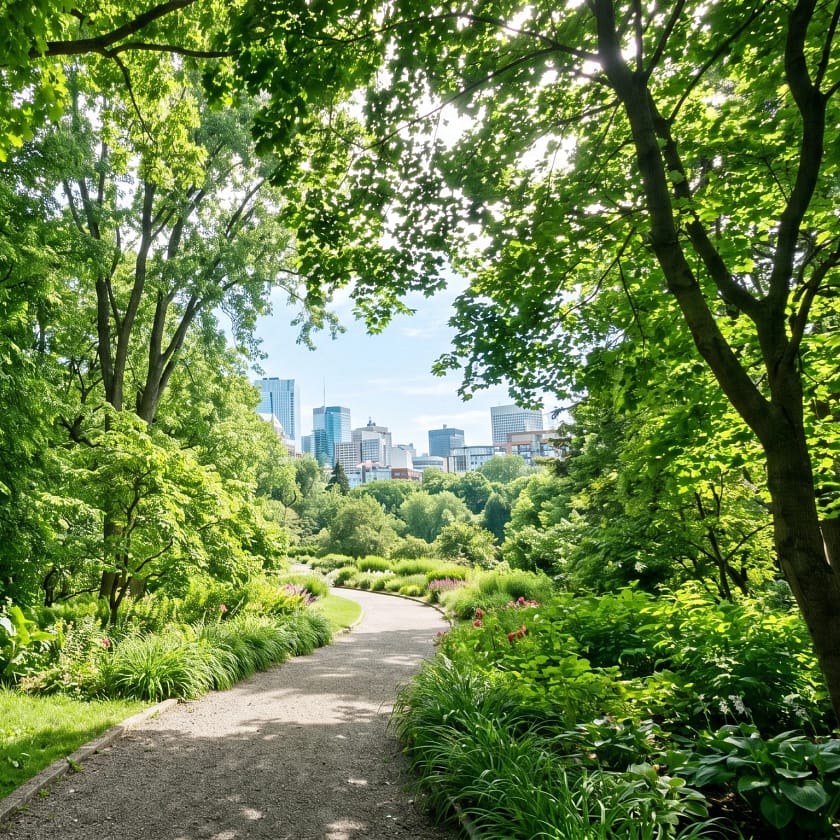
No matter where you live, be it downtown or in the suburbs, trees help clean the air around you. In cities, trees create leafy corridors along streets that block dust, trap car exhaust, and lower street-level temperatures. Studies have revealed that neighborhoods with a strong canopy of trees experience lower asthma rates and fewer respiratory problems.
Urban trees carry a hefty burden; they soak up high volumes of vehicle and industrial pollution. In rural areas, trees still improve air quality, but often their main job is catching carbon dioxide and fostering a diverse ecosystem.
Planting more trees along highways, near industrial areas, or close to schools and parks can bring cleaner, fresher air to places where people gather most. Urban planners often refer to the “urban canopy”—the portion of a city shaded by trees—and aim to raise that number to benefit everyone’s breathing space.
Biggest Challenges and How to Help
Getting trees to thrive, especially in dense urban spaces or drought-prone regions, is a challenge. Common obstacles include:
- Drought and Water Stress: Not every tree can handle dry weather. Drought-tolerant species help save water and survive longer in tough settings.
- Urban Heat: Sidewalks and roads make it hot for roots. Trees with mulch around their base and planted in roomy spots usually do better.
- Pests and Disease: Healthy trees clean air better, so staying sharp for any problems like infestations or disease is crucial.
- Poor Soils: Urban ground can be compacted or full of debris, making it harder for trees to spread roots and stay healthy.
Even facing these bumps, teaming up with neighbors or joining up on a local planting day is a fantastic way to contribute. Many nonprofits and garden centers offer free or low-cost tree giveaways; a quick search can lead you to a program right in your area.
Water and Care for Young Trees
New trees need a bit of extra care. I suggest watering your young saplings regularly for their first three years, especially during dry periods. Throwing down mulch helps keep roots cool and moist. Pruning damaged or wayward branches early on leads to sturdy, well-shaped trees that last a lifetime.
Find the Best Spot to Plant
Trees flourish when they have plenty of room to grow above and below ground. Don’t plant too close to buildings or driveways; trees need enough airflow and sunlight just as much as water and good soil.
Advanced Tips? Give Your Community’s Air a Boost
If you’re looking to do more, there are higher-impact ways to step up:
- Start Mini Urban Forests: Planting a range of different trees together (not just single rows of the same type) creates tougher, healthier green spaces.
- Mix Up Species: Blending lots of types boosts resilience against pests and helps prevent widespread disease, keeping the local canopy strong.
- Support Street Tree Projects: Many towns and cities have programs that add hardy, pollution-fighting trees along busy roads.
- Care for Existing Trees: Big, mature trees do most of the heavy lifting for clean air, so they deserve a bit of TLC to keep working hard.
Don’t forget, even using native shrubs and hedges alongside your trees can amplify air filtering power in parks, yards, and other public spots. Every layer of greenery counts toward cleaner air.
Frequently Asked Questions
Question: Do trees actually help reduce air pollution in cities?
Answer: Absolutely! Research highlights that neighborhoods packed with trees often see lower air pollution and healthier lungs among residents.
Question: What are some easy-care trees that improve air quality?
Answer: Silver birch, London plane, and most native oaks are winners; evergreens like pine and spruce do well in a variety of climates and keep working all year long.
Question: If I plant just a couple of trees, will it help at my home?
Answer: Yes. Even one or two well-placed trees can noticeably cut down dust and keep things cooler during hot months right around your home and street.
Why Tree Care Means Cleaner Air for All
Trees aren’t just nice to look at—they’re key for keeping our air clean, especially with more pollution showing up all over. By remembering to plant, protect, and look after trees, you give a boost not only to your yard, but to your whole neighborhood. Whether you’re lining your street with shade or starting a backyard project, even small actions add up. The more we support both city and countryside trees, the better everyone’s air will be—so step outside and give the local trees a helping hand; your lungs (and your neighbors) will thank you.
Thank you for shares and comments! 🌳🌴🌲🌵
Invest in your future
Take time to learn
Begin your path in affiliate marketing and website building with a supportive community and me. Commit time to learning and earning as an investment in your future. Use whatever time you require to master the fundamentals before pursuing greater goals. Try it and register for free. You will not regret it—explore the potential yourself…And create your own with help of AI tools and agents