


Ai Solutions For Tree Conservation
Artificial intelligence is quickly changing how we approach tree conservation. Using the latest AI solutions is helping researchers, conservationists, and even local communities protect forests more effectively. There’s always been a challenge in tracking the health of huge forested areas, catching illegal logging in time, or managing reforestation. Now, AI tools are making a noticeable difference, allowing us to collect data and make smarter decisions much faster.
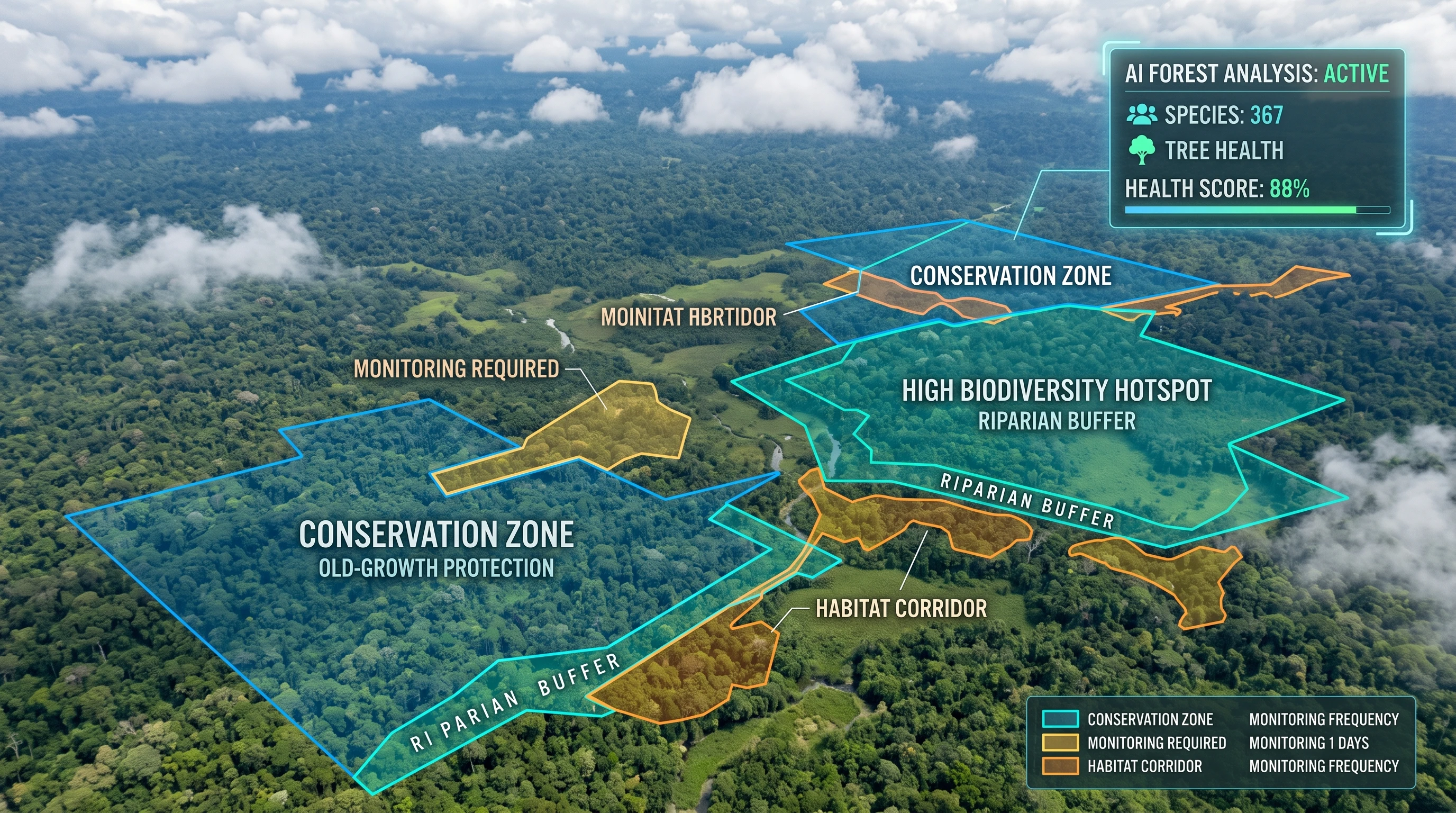
How Artificial Intelligence Is Shaping Tree Conservation
Trees play a huge role in maintaining biodiversity, regulating the climate, and stabilizing the land. Safeguarding them isn’t just about planting new seeds but also about carefully monitoring, managing, and protecting what already exists. Technology like AI bridges the gaps that traditional methods often leave behind, especially for large or remote forest areas. By analyzing data from satellites, drones, and ground sensors, AI tools offer conservationists a better view of what’s happening on the ground, right down to individual trees.
The AI market for environmental applications continues to expand, with governments, non-profits, and startups investing heavily in these solutions. Smart data gathering gives researchers the ability to quickly detect changes in forest cover, spot stressed trees, and track patterns over time. This not only supports daily conservation work but also feeds into larger climate goals.
AI-powered approaches started gaining steam in the last ten years, and we’ve now reached a point where deep learning algorithms handle massive amounts of data efficiently. This helps us move from snapshot-style reports to detailed, ongoing monitoring that reacts to what’s happening in real time.
Get Started with AI Tools in Tree Conservation
Anyone interested in AI for tree conservation should first get familiar with the main types of tools available and their uses. Not all solutions are complicated, some are quite practical for small conservation projects as well as largescale research. Here are some common AI applications in this field:
- Automated Species Identification: AI models process images from drones and satellites, automatically identifying tree species and even flagging invasive plants or disease symptoms.
- Anomaly Detection: Algorithms analyze images and sensor data to spot sudden changes in forest cover, like illegal logging or outbreaks of pests.
- Predictive Modeling: AI helps estimate how forests respond to threats such as climate change, fires, or droughts, enabling early intervention.
Understanding these applications helps conservationists choose the right tools for their needs, whether they’re tracking rare species or monitoring a national park. For beginners, experimenting with open source platforms is a good way to start before scaling up to more advanced solutions. In fact, volunteer communities and open datasets are making it easier than ever for citizen scientists to try out AI projects themselves.
Quick Guide to Launching AI-Powered Tree Conservation Projects
Jumping into AI for conservation doesn’t have to be intimidating. Here’s a straightforward process I’ve found works best for individuals and organizations looking to get involved:
- Pick the Right Data Sources: Decide whether to use satellite images, drone footage, or groundlevel sensors based on the area you are studying.
- Select an AI Platform: Platforms like TensorFlow, IBM’s Watson, or Google Earth Engine have libraries and tools specifically for environmental analysis.
- Train or Use Pretrained Models: For most conservation work, pretrained models save time, but custom models can provide super useful insights for unique local issues.
- Double-check Results: Compare AI findings with ground truth data collected by field teams or permanent forest plots.
- Take Action Based on Insights: Use the outputs to help plan patrols, prioritize areas for reforestation, or communicate findings to policy makers and the community.
This approach really improves how efficiently teams can spot problems and measure progress in tree conservation efforts. By involving both tech experts and local stakeholders throughout the process, projects run smoother and results tend to be more effective.
Real-World Challenges and How AI Tackles Them
Just like any field project, integrating AI into tree conservation comes with its own set of hurdles. But observing how AI deals with each issue makes a strong case for why tech adoption keeps growing.
- Data Quality: Poor quality images or missing data can confuse AI models. Refreshing datasets and cleaning up incoming information helps models stay accurate.
- Algorithm Bias: Sometimes AI systems reflect the bias in their training data. Collaborating with local experts to review results is important for avoiding common mistakes, especially in areas with diverse ecosystems.
- Computational Costs: Running these models takes computing power, which can get expensive or require cloud solutions. Choosing lightweight models or tapping into shared platforms often helps smaller organizations manage costs.
- Access and Training: Not all conservation teams have experience with AI. Workshops, online training, and partnerships with universities can make a difference here.
Deal With Data Quality
Images taken on cloudy days or lowresolution drone shots don’t always give AI models a true picture of what’s on the ground. Teams can get around this by mixing data types, combining satellite images with some occasional field photos, or using newer AI techniques that filter out the noise. Checking in with local staff to groundtruth a few random spots helps fine-tune the results, too.
Algorithm Bias
Models trained in tropical rainforests might miss important clues in a temperate area, and this can affect how quickly issues like pest outbreaks are detected. Getting ecologists and local community members involved helps catch these issues before they impact decision-making. Regular model updates and feedback loops are super important for staying relevant.
Access and Training
In many regions, staff may not have a background in data science. There’s a growing roster of online resources that offer free introductions to AI in conservation. Projects like Wild Me and Rainforest Connection even have userfriendly dashboards for those working on the ground.
Features That Make AI Solutions Worth Exploring
AI-powered conservation tools are packed with features that add real value. Here are some that stand out for anyone looking to choose the right tech for their needs:
- Real-time Alerts: Some systems can send instant notifications to managers when illegal logging or forest fires are detected. This makes emergency responses much faster.
- Customizable Dashboards: Dashboards show trends and comparisons over time, making it easier to spot success or problem areas.
- Mosaic Mapping: AI stitches together satellite and drone images to create highresolution, up-to-date maps of even the most remote forests.
- Species Health Tracking: Advanced computer vision can pick up color changes linked to disease or drought stress before they become visible to the human eye.
These features switch conservation from reactive “after-the-fact” responses to active, ongoing, and strategic management. The number of successful field pilots is growing each year, showing the practical benefits on the ground.

Frequently Asked Questions About AI in Tree Conservation
Plenty of folks have questions about using AI for tree conservation. I’ll walk you through some of the most common ones I’ve heard in workshops or field projects:
Question: Can AI really spot tree diseases before they spread widely?
Answer: AI systems pick up small changes in leaf color or pattern from drone and satellite images that humans often miss. This early identification gives forest managers extra time to intervene before the disease becomes widespread.
Question: Do I need expensive equipment to get started?
Answer: Not necessarily. A good drone with a basic camera or access to open source satellite images is enough to start with many of the available AI platforms. There are even free software packages for educators and conservation NGOs, making entry into AI much more approachable.
Question: How do AI models learn to identify so many species?
Answer: These models get trained on huge collections of labeled images, often contributed by researchers, botanical gardens, or crowdsourced platforms. The more diverse the images, the better they get at identification, even in new areas.
Practical Benefits of Using AI for Forests
The impact of AI on practical conservation work isn’t just about fancy technology. For example, non-profits in Indonesia have started using AI systems to detect illegal loggers by analyzing sounds in the rainforest. Think chainsaws, motorbikes, and vehicles. When suspicious activity spikes, rangers get realtime alerts, allowing for rapid response.
Large protected areas in Brazil and Africa rely on high-resolution AI mapping to regularly update their patrol routes and measure reforestation progress. Community-led projects in North America are using simple AI-powered tree counters to plan urban forest plantings and fight heat islands in cities.
- Reforestation: AI maps help target the best areas for planting, ensuring saplings will survive and thrive with local conditions in mind.
- Pest Control: Automated monitoring spots pest outbreaks early, improving how quickly teams can respond and ultimately safeguarding the forest ecosystem.
- Biodiversity Studies: AI speeds up counting and identification for species studies, helping researchers process more data in less time, which leads to a clearer picture of forest richness.
Real-world applications keep growing as AI becomes a regular tool in the conservation toolbox. As more conservationists and communities get access to these technologies, the wider the potential impact on forests around the world. If you’re interested in hands-on conservation or policy planning, keeping an eye out for new AI developments is well worth it; the technology is moving fast and truly giving a boost to those working to protect our trees.
Botanicus Plus an AI PLUGIN for starters and experts
Botnicus Plus boasts an array of new features, enhancing its global appeal and user interaction. These include: 1) Multilingual Support for accessibility in various languages. 2) Virtual Tours of famous botanical gardens and historical plant sites. 3) A Botanical Identification Tool for users to upload and identify plants. 4) Seasonal Guides and Tips tailored to local climates and regions. 5) Opportunities for users to engage in Collaborative Projects and Citizen Science Initiatives. 6) Advice on Sustainable Gardening Practices. 7) Interactive Q&A Sessions with botany experts. 8) Personalized Plant Care Reminders for gardeners. These features enrich Botnicus Plus’s mission to provide comprehensive, interactive, and culturally rich botanical education, fostering a deeper connection with the natural world.
Botanicus-plus Plugin
Enjoy!👒
Invest in your future
Take time to learn
Begin your path in affiliate marketing and website building with a supportive community and me. Commit time to learning and earning as an investment in your future. Use whatever time you require to master the fundamentals before pursuing greater goals. Try it and register for free. You will not regret it—explore the potential yourself…And create your own with help of AI tools and agents