
How To Start A Community Tree Planting Program
Community tree planting programs don’t just bring a splash of green to your neighborhood. They boost local biodiversity, provide shade, and help clean up the air. If you’re like me and want to do something practical for the environment while connecting with others, starting your own tree planting program is a pretty rewarding project. With a bit of planning and some team spirit, you can grow something lasting for your community.
Why Start a Community Tree Planting Program?
Trees provide more than just good looks. They filter pollution, help keep neighborhoods cooler, and give homes to local wildlife. A single mature tree can absorb hundreds of pounds of carbon dioxide every year. That’s a straightforward way to tackle climate change right where you live.
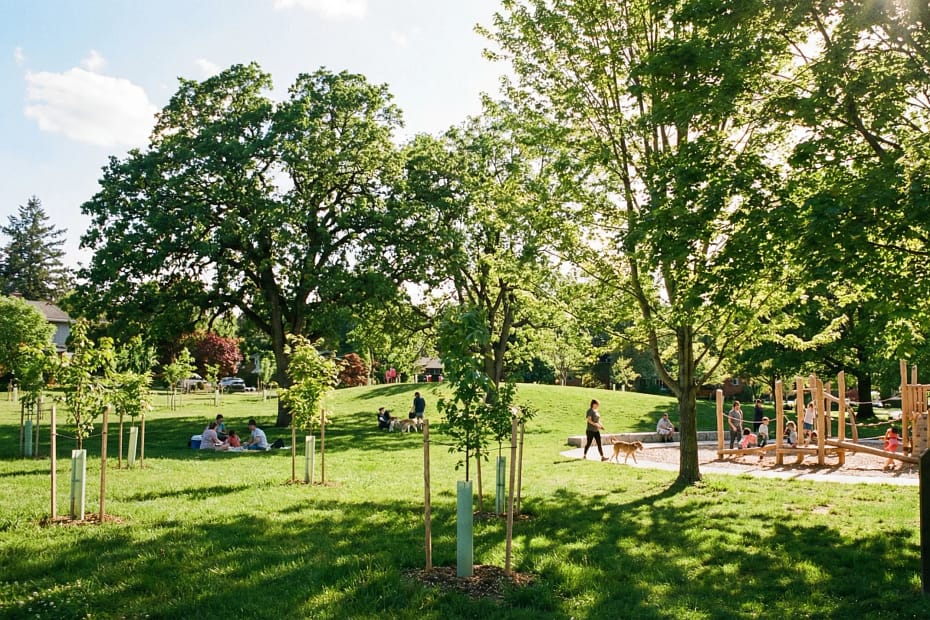
Organizing a program like this helps people connect, learn about nature, and work together on something meaningful. Schoolyards, parks, and even unused lots can become green spaces that neighbors take pride in. Plus, seeing a tree you planted as a team grow over the years is pretty special.
Getting kids involved can also be an amazing learning experience that sticks with them. Children who plant trees often want to go back and check on them, building a sense of environmental stewardship and pride in their neighborhood’s future.
Understand the Basics: What’s Involved?
Getting a community tree planting program off the ground takes a bit of coordination, but it’s definitely manageable with the right approach. Here are some early decisions that will help shape your program:
- Set Clear Goals: Maybe you want to increase street shade, line a new trail, or just improve local air quality. Knowing your mission helps guide everything that follows.
- Pick the Area: It helps to scout locations, check who owns the land, and make sure it’s suitable for planting before you get too far ahead.
- Build a Core Team: Rally neighbors, friends, students, or local organizations who are excited to help organize. The more energy and ideas, the better.
If you’re planning to plant trees in multiple locations, create a simple list with contact info and a brief note about each site’s conditions. This step will smooth the way when you talk to landowners or city officials and will help you tailor the kinds of trees you select for each spot.
Gather Support and Get Permissions
Support from other community members and leaders can make or break your project. Start by talking with local authorities—city council, parks department, or even school principals, depending on where you want to plant trees. A quick chat can save you time and prevent headaches down the line.
It’s also really important to get neighbors involved. Hand out flyers, share on social media, and visit community meetings. Local businesses might be happy to sponsor supplies or snacks for volunteers. Sometimes, hardware stores will donate shovels or gloves if you ask politely and explain the community benefit. These kinds of local partnerships often make it possible to reach more people and get better resources for your project.
- Check Permits: Some cities require planting permits, especially on public land or roadsides. Having permission keeps your project moving and avoids problems later.
- Insurance Considerations: Some organizations or towns want you to have liability coverage for public events. If you’re partnering with a nonprofit or municipality, they often have coverage you can use.
Plan Your Tree Planting Event
Once you have a team and a plan, it’s time for the fun part—figuring out what to plant and how to organize the event. Here are a few things that helped my own group stay organized:
- Choose the Right Trees: Native species usually need less water and are more likely to thrive. Your local extension office or nursery can give great advice.
- Source Materials: You’ll need young trees or saplings, shovels, mulch, gloves, buckets, and maybe a wheelbarrow or two. Local nurseries sometimes offer discounts or donations for community projects.
- Pick a Date: Spring and fall are good choices, since young trees have gentler weather to settle in before summer heat or winter chills.
Don’t forget to confirm your supply pickup or delivery ahead of time, and make a checklist of everything you need to bring on event day. Experienced organizers even lay out tools and name tags the night before to reduce morning chaos.
Get Volunteers Excited
Recruiting helpers can be as simple as posting online or as involved as presenting at a school assembly. I’ve found that free snacks or a small raffle make the event feel more festive. Let everyone know what to expect—from digging holes to watering and staking saplings—so they can show up ready to pitch in.
It helps to have a sign-in table, a clear agenda, and visible team leaders wearing vests or hats so participants know who to ask questions. Encouraging families to bring their kids or inviting local youth organizations can give a big boost to turnout and fun.
Top Tips for a Successful Tree Planting Day
- Prep the Site: Mow tall grass, clear debris, and mark planting spots before people arrive. It helps things go smoothly, especially if you have a big group.
- Offer a Quick Demo: Not everyone has planted a tree before. Walk through the basics—how deep to dig, loosening the roots, firming the soil, and staking—so trees get a healthy start.
- Assign Roles: Put some folks in charge of digging, others watering or mulching. This avoids crowding and makes everyone feel important.
- Celebrate the Effort: Have a quick thank-you speech or group photo. People like to see their impact and might be eager to join your next project.
Bring lots of water, a first-aid kit, and be prepared for changing weather. Good planning helps everyone have fun and finish the job safely.
Troubleshoot Common Challenges
Community projects run into a few typical snags. Here’s how I’ve handled them and what to watch for:
- Low Turnout: Try to RSVP in advance and remind volunteers the week of the event. A lively social media post or local newspaper blurb can bring in last-minute help. Mentioning the event at library boards or local clubs can sometimes bring unexpected participants, too.
- Poor Soil or Tough Conditions: If the site isn’t great for planting, consider bringing in soil amendments or mulch. Sometimes it’s better to focus on a smaller, healthier area rather than stretching the team too thin. You can also reach out to gardening experts at local universities for quick advice on improving soil quality.
- Tree Care After Planting: The first year is super important for young trees. Set up a watering schedule, and work with neighbors, local scouts, or a youth group to care for the new trees as they get established.
- Dealing with Pests or Vandalism: Let local authorities know about your project, and try physical guards or signs to protect saplings from accidental damage or mischief. Sometimes just talking to neighbors personally helps keep people watching over the site.
Tree Maintenance Matters
Helping your trees survive after the big day shouldn’t get overlooked. Regular watering, weeding, and checking for pests make a big difference. I like to set a reminder on my phone or assign a “tree buddy” system so every sapling gets someone to keep an eye on it for the first year.
You can also schedule short follow-up gatherings for mulching or watering as a way to stay connected and keep momentum. These mini-events are great opportunities to answer questions, recruit new volunteers, and see how well your trees are growing.
Expand Your Impact
Once your first event is in the books, there’s plenty more you can do. You can set up educational workshops, join forces with schools or youth groups, or partner with local ecological clubs. Yearly follow-up plantings allow your program to build momentum and reach new neighborhoods.
- Create a Map: Mark where trees have been planted and share it online. This helps with tracking and builds pride in the project. You can host virtual tours or post photos to keep people excited about ongoing improvements.
- Gather Stories and Photos: Sharing progress on social media keeps the wider community involved and may attract sponsors for future events. Documenting the project’s growth will inspire others to pitch in.
- Explore Grants: There are lots of nonprofits and local businesses willing to help fund tree plantings. Check out the Arbor Day Foundation or your city’s environmental programs for ideas. You may even stumble upon regional grants or competitions for green projects.
Consider celebrating each year’s planting season with a community picnic or a “Tree Fest” event, inviting everyone to reconnect, share memories, and brainstorm new green ideas together.

Frequently Asked Questions
How do I choose the right tree species?
Stick with native species, since they’re already adapted to the local soil and weather. They’ll also be easier to find at local nurseries and are way more likely to thrive in the long run.
What’s the best time to plant trees?
Spring or fall is usually best, since cooler weather and more rain help young roots get settled. Avoid the heat of summer or frozen winter ground, which can stress new saplings.
Do I need experience to organize a planting?
No expert badge required. You’ll learn as you go and can always ask for help from local arborists or Master Gardeners. Most communities have resources or volunteers who are happy to lend a hand or share their tips.
How do I keep new trees alive?
The first year is when trees need extra care. Be sure to water regularly, keep grass and weeds away from the base, and replace stakes or mulch as needed. Teaming up with neighbors makes upkeep easier and spreads out the work.
Wrap Up
Watching trees you helped plant take root and grow is genuinely uplifting. Every sapling can become a shady spot for kids, birds, and the entire community. The hardest part is just getting started, but once you do, it’s pretty amazing to see how a small group effort can sprout into something big for your neighborhood’s future. Get out there, bring some friends, and make your mark—one tree at a time.
Botanicus Plus a GPT for starters and experts
Botnicus Plus boasts an array of new features, enhancing its global appeal and user interaction. These include: 1) Multilingual Support for accessibility in various languages. 2) Virtual Tours of famous botanical gardens and historical plant sites. 3) A Botanical Identification Tool for users to upload and identify plants. 4) Seasonal Guides and Tips tailored to local climates and regions. 5) Opportunities for users to engage in Collaborative Projects and Citizen Science Initiatives. 6) Advice on Sustainable Gardening Practices. 7) Interactive Q&A Sessions with botany experts. 8) Personalized Plant Care Reminders for gardeners. These features enrich Botnicus Plus’s mission to provide comprehensive, interactive, and culturally rich botanical education, fostering a deeper connection with the natural world.
Enjoy!👒
Invest in your future
Take time to learn
Embark on your journey in affiliate marketing and website creation alongside an incredible community and myself. Invest in your future by dedicating time to learn and earn. Take all the time you need to master the basics before aiming higher. Give it a try and sign up for free. You won't regret it! Discover the possibilities for yourself...